 0
0
 0
0
SILVER SPRING, MD — In a landmark decision for women’s health and diagnostic equity, the U.S. Food and Drug Administration (FDA) on April 8, 2026, cleared the Waters Corporation Onclarity HPV Self-Collection Kit for at-home use. This approval, a result of a multi-year collaboration with Becton, Dickinson and Company (BD), authorizes the first fully integrated at-home sampling system paired with the highly sensitive BD Onclarity HPV Assay. By allowing individuals to collect their own samples in the privacy of their homes and mail them directly to a laboratory, health officials hope to dismantle the barriers of embarrassment, logistics, and clinical anxiety that have kept screening rates stagnant for a decade.
A New Frontier in Diagnostic Technology
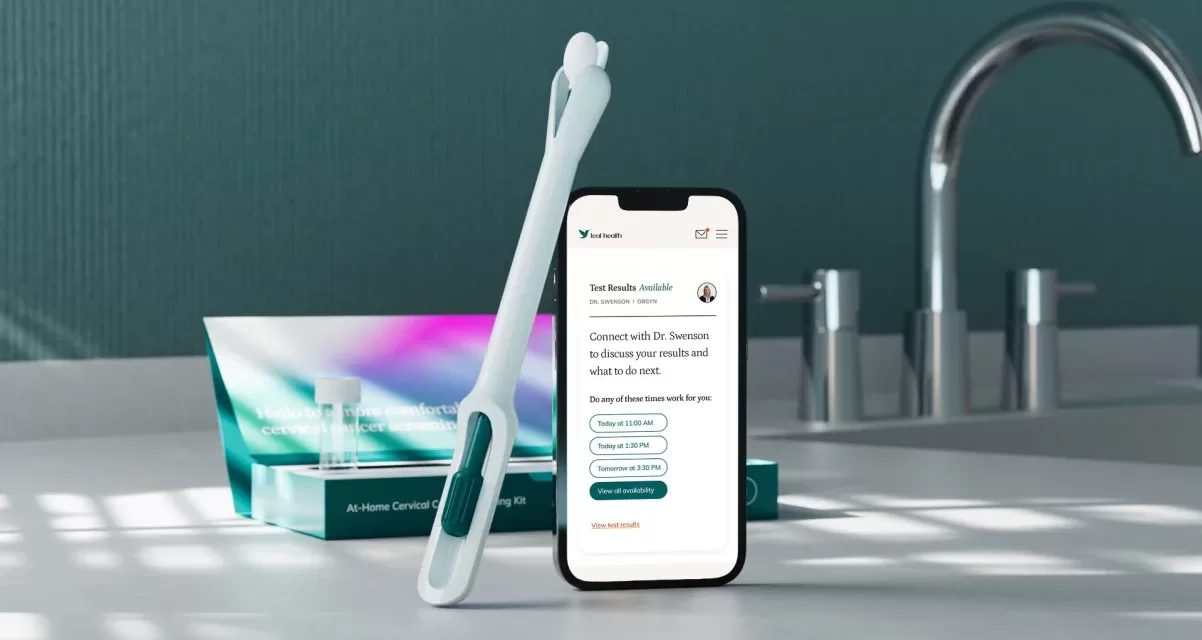
The newly cleared kit leverages the sophisticated infrastructure of the BD COR System, an automated platform that uses robotics to process samples with high precision. For the user, however, the process is designed for simplicity: a person uses the provided swab to collect a vaginal sample, places it in a specialized preservative sleeve, and ships it to a certified lab via a pre-paid mailer.
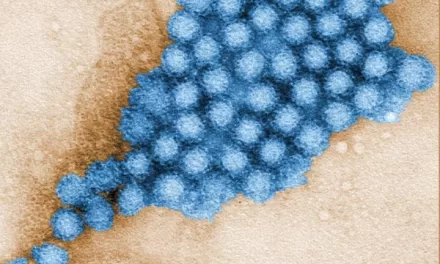
The diagnostic powerhouse behind the kit is the BD Onclarity HPV Assay, which remains the most comprehensive screening tool of its kind in the United States. Unlike basic tests that merely provide a “yes/no” result for the presence of the Human Papillomavirus (HPV), this assay performs “extended genotyping.” It can specifically identify six individual high-risk HPV strains (including the most aggressive 16, 18, and 45) and three pooled groups.
“U.S. FDA clearance of the Onclarity Self-Collection Kit for at-home use marks a meaningful step towards removing today’s primary barriers to screening,” said Jianqing Bennett, Senior Vice President of Waters Advanced Diagnostics. “This is about supporting more personalized care by meeting people where they are.”
To earn this clearance, Waters validated the kit’s accuracy through the National Cancer Institute’s (NCI) Cervical Cancer “Last Mile” Initiative SHIP Trial. The data confirmed that self-collected samples yielded results with over 95% concordance to those collected by clinicians in a traditional medical setting.
Bridging the “Underscreened” Divide
The public health urgency for such a tool is underscored by a sobering statistic: approximately 60% of new cervical cancer cases in the U.S. occur in individuals who have never been screened or have not been screened in the last five years.
Cervical cancer is unique in the oncology world because it is almost entirely preventable. Persistent infection with high-risk HPV causes roughly 95% of cases. When detected early through regular screening, precancerous lesions can be treated long before they turn into a life-threatening malignancy. Yet, for many, the “Gold Standard” of a pelvic exam and Pap smear remains inaccessible.
“We see significant disparities in screening rates among Black, Hispanic, and uninsured women, as well as those living in rural ‘medical deserts,'” says Dr. Karen Knudsen, CEO of the American Cancer Society. “At-home sampling addresses the core issues of transportation, childcare, and the psychological discomfort that often prevents these populations from entering a clinic.”
Expert Perspectives: A “Game Changer” with Caveats
While the medical community has largely celebrated the FDA’s move, experts emphasize that the kit is a tool for screening, not a final diagnosis.
Dr. Philip Castle, a renowned HPV expert at the Albert Einstein College of Medicine, notes that while the technology is a “game changer,” the follow-up loop is critical. “A positive result at home must be followed by a clinical visit for a colposcopy or biopsy,” Dr. Castle explains. “The kit tells us if the virus is present and what type it is, but a physician is still required to see if that virus has caused cellular changes that require treatment.”
Furthermore, Dr. Jeff Andrews, M.D., Vice President of Medical Affairs at Waters, points out that the kit’s value lies in its integration into the existing healthcare system. Results are not sent to a smartphone app in a vacuum; they are transmitted to a healthcare provider who then discusses the next steps with the patient.
The Economic and Practical Shift
Following the announcement, Waters’ stock rose 4%, reflecting investor confidence in the scalability of at-home diagnostics. The company is currently forging partnerships to make the kit available via prescription in the coming months. Critically, Waters is working to ensure the kit is covered by:
-
Private Insurance
-
Medicaid
-
Medicare
This financial integration is vital for the kit to reach the low-income populations most at risk for cervical cancer. For the health-conscious consumer, the kit offers a level of convenience similar to at-home COVID-19 or colon cancer screenings (like Cologuard), allowing for proactive health management without the need to take time off work for a routine appointment.
Limitations and Potential Hurdles
Despite the technological leap, the transition to at-home screening faces hurdles:
-
Sample Integrity: While the SHIP trial showed high reliability, real-world usage can lead to “invalid samples” if instructions aren’t followed. Current estimates suggest a 5-10% failure rate in sample collection for first-time users.
-
The “Anxiety Gap”: A positive HPV result can cause significant distress. Without an immediate clinician present to explain that most HPV infections clear on their own, patient education materials will need to be robust.
-
Logistics: Reliance on mail services in rural areas and the requirement of a prescription may still present barriers for the most marginalized groups.
The Path Forward
As the U.S. moves toward the World Health Organization’s goal of eliminating cervical cancer as a public health problem, the Onclarity kit represents a pivotal shift in strategy. By “democratizing” the collection process, the healthcare system is effectively shifting from a passive model (waiting for patients to come in) to an active model (sending the “clinic” to the patient).
For the roughly 13,000 women diagnosed with cervical cancer in the U.S. each year, this technology may have arrived too late. But for the millions currently overdue for their screening, the solution may now be as simple as checking the mailbox.
Medical Disclaimer: This article is for informational purposes only and should not be considered medical advice. Always consult with qualified healthcare professionals before making any health-related decisions or changes to your treatment plan. The information presented here is based on current research and expert opinions, which may evolve as new evidence emerges.
References
- https://www.reuters.com/legal/litigation/us-fda-approves-waters-athome-cervical-cancer-screening-kit-2026-04-08/