 0
0
 0
0
JENA, Germany — In the invisible world of the human microbiome, most residents coexist in a fragile peace. However, a groundbreaking study published on February 1, 2026, reveals that two of our most common microbial “neighbors” can form a sinister alliance, transforming from harmless bystanders into a lethal team that inflicts far more damage than either could achieve alone.
The research, led by the Leibniz Institute for Natural Product Research and Infection Biology (Leibniz-HKI) and published in the journal Proceedings of the National Academy of Sciences (PNAS), details the synergistic aggression between the yeast Candida albicans and the bacterium Enterococcus faecalis. The findings have sent ripples through the medical community, providing a new roadmap for understanding—and eventually treating—stubborn hospital-acquired infections.
A Microscopic “Tandem Attack”
For years, clinicians have observed that patients infected with multiple microbes often face worse outcomes. This new study identifies the exact biological “handshake” that makes this specific pairing so destructive.
The researchers discovered that when these two pathogens meet, they employ a two-pronged strategy to overwhelm human host cells:
-
The Direct Strike: E. faecalis produces a toxin called cytolysin. While the bacterium is dangerous on its own, its lethality skyrockets when it physically attaches to the long, thread-like filaments (hyphae) of C. albicans. The fungus essentially acts as a transport system and a staging ground, positioning the bacteria directly against human tissue, allowing the cytolysin to be delivered with pinpoint, devastating accuracy.
-
Resource Starvation: Simultaneously, the fungus rapidly consumes glucose (sugar) from the surrounding environment. This creates a “famine” for the host’s cells. Starved of energy, the human cells become fragile and lose their ability to repair the damage caused by the bacterial toxin, leading to rapid tissue death.
“Instead of fighting each other for resources, they amplify their impact,” explained Ilse Jacobsen, PhD, head of Microbial Immunology at Leibniz-HKI and the study’s lead researcher. “They turn normally commensal microbes—harmless dwellers on our mucous membranes—into formidable pathogens.”
The Usual Suspects: Background on the Pathogens
To understand the weight of this discovery, one must look at how prevalent these microbes are.
-
Candida albicans: A yeast found in the mouths, guts, and vaginal tracts of approximately 70% of healthy adults. While it usually causes minor issues like oral thrush or vaginal yeast infections, it can enter the bloodstream (invasive candidiasis) in vulnerable patients.
-
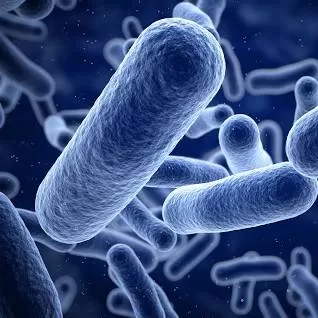
Enterococcus faecalis: A bacterium residing in the intestinal tracts of up to 90% of humans. It is a leading cause of urinary tract infections (UTIs), endocarditis, and surgical wound infections.
Both microbes are “opportunistic.” They thrive when the body’s immune system is weakened or when broad-spectrum antibiotics wipe out the “good” bacteria that usually keep them in check. In hospital settings, they are notorious for forming biofilms—slimy, protective layers—on medical devices like catheters and heart valves, making them exceptionally difficult to eradicate.
Expert Perspectives: A “Wake-Up Call” for Clinicians
The implications for global health are significant, particularly as antibiotic resistance continues to climb.
Dr. Michael Nassif, an infectious disease specialist at Johns Hopkins University who was not involved in the study, described the findings as a pivotal moment for clinical practice. “We’ve long known that co-infections are tricky and often result in higher mortality rates, but pinpointing these ‘glucose tricks’ and the role of cytolysin gives us specific targets for intervention,” Nassif said. “We can no longer treat these species as isolated problems.”
In regions struggling with high rates of multidrug-resistant organisms, the news is especially sobering. Dr. Priya Singh, a microbiologist at the Vallabhbhai Patel Chest Institute in Delhi, noted that in South Asia, where Candida variants are increasingly resistant to treatment, these microbial alliances could drive more frequent and more lethal outbreaks.
“Early polymicrobial screening is essential,” Dr. Singh urged. “If we only test for bacteria and miss the fungus—or vice versa—we are only seeing half the enemy.”
Public Health and Patient Risk
The “dangerous alliance” poses the greatest threat to high-risk populations, including:
-
Patients in Intensive Care Units (ICUs)
-
Individuals with poorly managed diabetes
-
Cancer patients undergoing chemotherapy
-
Organ transplant recipients
According to World Health Organization (WHO) estimates, fungal infections contribute to approximately 1.5 million deaths annually. When these infections are polymicrobial, recovery rates plummet. In some cases of invasive candidiasis involving resistant strains, fatality rates can reach 50%.
For the general public, the study underscores the importance of antibiotic stewardship. Overusing antibiotics can clear the path for E. faecalis and C. albicans to dominate the microbiome. Furthermore, maintaining stable blood sugar levels is not just a metabolic concern; as this study shows, it may also play a role in how host cells withstand microbial attacks.
Limitations and the Road Ahead
While the study is a major leap forward, researchers caution that there is more work to be done. The current findings were based on human cell cultures and laboratory models, which cannot fully replicate the complex environment of a living human body with an active immune system.
“While promising, the translation to clinical settings requires more data from animal models and eventually patient trials,” Dr. Jacobsen cautioned. She also noted that microbial interactions are complex; in some environments, different strains of these microbes might actually compete or inhibit one another rather than cooperate.
The Leibniz-HKI team is now shifting its focus toward developing cytolysin blockers and therapies that can modulate glucose levels at the site of infection. The goal is to “break the alliance” before the damage becomes irreversible.
In an era where “superbugs” dominate headlines, this research serves as a reminder that the next great challenge in medicine may not be a single new pathogen, but the lethal teamwork of the ones we already carry.
Medical Disclaimer: This article is for informational purposes only and should not be considered medical advice. Always consult with qualified healthcare professionals before making any health-related decisions or changes to your treatment plan. The information presented here is based on current research and expert opinions, which may evolve as new evidence emerges.
References
- https://www.earth.com/news/fungus-and-bacterium-can-join-forces-and-cause-much-more-aggressive-infection/