 0
0
 0
0
CHHINDWARA, MADHYA PRADESH — In a dramatic response to a potential public health threat, health officials in Madhya Pradesh’s Chhindwara district have administered anti-rabies vaccinations to more than 200 wedding guests. The emergency measure was triggered after reports surfaced that the buttermilk (chhas) served at a local wedding was sourced from a dairy cow suspected of being rabid.
While the incident has caused widespread anxiety across the region, leading medical experts and international health organizations are underscoring a critical distinction: while the response was a prudent exercise in risk management, there is currently no scientific evidence to suggest that rabies can be transmitted through the consumption of milk.
The Incident: A Wedding Feast Turns Into a Medical Emergency
The scare began shortly after a wedding celebration in Chhindwara, when it was discovered that the dairy providing milk for the traditional chhas was linked to a cow recently bitten by a rabid dog. The animal reportedly began showing symptomatic signs of rabies shortly after the event.
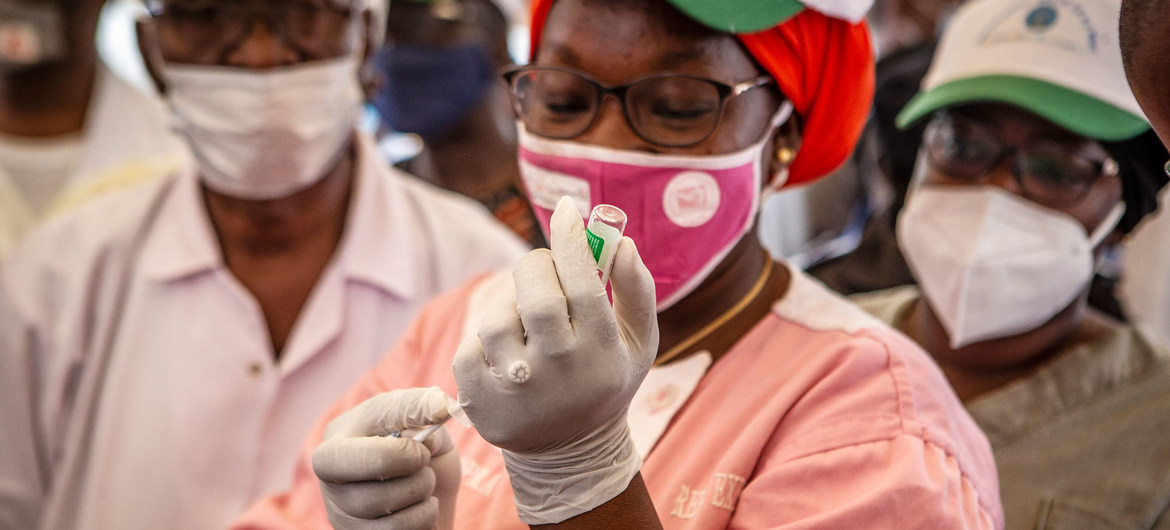
Upon receiving the news, district health officials acted with clinical speed. A dedicated health camp was established to trace and monitor every guest who had consumed the buttermilk. To date, over 200 individuals have received Post-Exposure Prophylaxis (PEP) injections.
“When dealing with a disease that has a near 100% fatality rate once symptoms manifest, we cannot afford the luxury of ‘wait and see,'” a local health official noted during the vaccination drive. This sentiment captures the public health dilemma: the necessity of rapid action in the face of a terrifying, albeit unproven, transmission route.
What the Science Says: Can Milk Carry Rabies?
The primary concern for residents is whether the virus can survive the journey from an animal’s mammary glands to a human’s digestive system. According to the World Health Organization (WHO), the answer is overwhelmingly “no” in routine scenarios.
Rabies is a neurotropic virus, meaning it travels through the nervous system and is primarily shed in the saliva. Transmission almost exclusively occurs through:
-
Deep bites or scratches from an infected animal.
-
Direct contact of infectious saliva with human mucosal membranes (eyes, mouth, or open wounds).
India’s National Rabies Control Program (NRCP) is even more explicit in its guidelines. The NRCP states there is “no laboratory or epidemiological evidence” that rabies is transmitted to humans via the consumption of milk or milk products. Furthermore, the agency clarifies that PEP is not medically indicated for individuals whose only exposure was drinking milk from a suspected rabid animal.
The Role of Heat and Digestion
A key factor in the safety of dairy products is the fragility of the rabies virus itself. The virus is enveloped, making it highly susceptible to environmental factors.
“The rabies virus is extremely fragile outside the host’s body,” explains Dr. Arvin Taneja, a Delhi-based infectious disease specialist not involved in the Chhindwara case. “Standard pasteurization or even the domestic practice of boiling milk completely inactivates the virus. Furthermore, even if one were to consume raw milk containing traces of the virus, human stomach acid is generally sufficient to destroy it before it can enter the system.”
This perspective aligns with a historical Centers for Disease Control and Prevention (CDC) report from Massachusetts. In that instance, mass treatment was provided to people who drank unpasteurized milk from rabid cows as a “public health precaution,” yet the CDC concluded that the theoretical risk was virtually eliminated by the digestive process and dairy processing.
Why Officials Choose to Vaccinate
If the science suggests the risk is negligible, why did Chhindwara officials move to vaccinate 200 people? The answer lies in risk-benefit analysis.
-
Uncertainty of Exposure: In rural or high-pressure settings, officials may not know if a guest had a small cut in their mouth or if the milk was handled by someone with saliva-contaminated hands.
-
The “Zero-Failure” Requirement: Because rabies is fatal, public health departments often opt for “over-treatment” rather than risking a single death. The vaccine is safe and effective; rabies is not.
-
Psychological Assurance: Mass scares create significant community trauma. Providing the vaccine can prevent “mass psychogenic illness” where anxiety manifests as physical symptoms.
Global Context: The Persistence of Rabies
The anxiety in Madhya Pradesh is rooted in a sobering reality. Rabies remains a significant burden in India, contributing to a large portion of the estimated 59,000 global deaths annually.
The WHO notes that 99% of these cases are the result of dog bites, and roughly 40% of victims are children under the age of 15. Because the disease is so prevalent in the stray dog population, any perceived link to the virus—even via a dairy cow—is met with heightened alarm.
Limitations in the Chhindwara Case
Several questions remain unanswered regarding the MP incident:
-
Confirmation: It remains unclear if the cow’s rabies diagnosis was confirmed via laboratory brain-tissue testing (the gold standard) or based solely on clinical symptoms.
-
Processing: There is no official word on whether the buttermilk was prepared using boiled milk, which would have rendered the virus inactive.
-
Viability: No tests were conducted to see if viable virus was actually present in the milk supply.
Until these details are clarified, the mass vaccination remains a precautionary measure rather than evidence of a new transmission pathway.
Guidance for the Public
For the general public, the Chhindwara incident serves as a reminder of vigilance rather than a reason for panic regarding dairy products. Experts recommend the following:
-
Avoid Raw Dairy: Always boil or pasteurize milk from livestock, especially if the animal appears unwell.
-
Prioritize Wound Care: If bitten or scratched by any animal, wash the wound with soap and running water for at least 15 minutes. This is the single most effective first-step intervention.
-
Report, Don’t Rumor: Report sick livestock to veterinary officials immediately. Avoid consuming or selling products from animals showing neurological distress.
-
Vaccinate Pets: Ensuring domestic dogs and livestock are vaccinated is the most effective way to create a “buffer” between the wild rabies cycle and human homes.
While the guests in Chhindwara will complete their vaccine cycles as a safety measure, the scientific consensus remains firm: your morning glass of milk is not a vehicle for rabies.
Reference Section
- https://english.punjabkesari.com/india/mp-en-masse-rabies-vaccination-after-guest-consumed-infected-chhas-made-from-rabid-cowmilk/
Medical Disclaimer: This article is for informational purposes only and should not be considered medical advice. Always consult with qualified healthcare professionals before making any health-related decisions or changes to your treatment plan. The information presented here is based on current research and expert opinions, which may evolve as new evidence emerges.