 0
0
 0
0
SHIMLA – The National Human Rights Commission (NHRC) of India has formally intervened following reports that 19 female nursing students at the Mahatma Gandhi Memorial State College (MGMSC) in Shimla, Himachal Pradesh, have contracted Tuberculosis (TB). The Commission’s suo motu cognizance—action taken on its own motion—highlights a disturbing intersection of public health failure and institutional neglect.
In a notice issued to the Chief Secretary of Himachal Pradesh, the NHRC demanded a detailed report within two weeks, citing potential “serious violations of human rights.” The intervention follows a series of inspections that painted a grim picture of the living conditions provided to the next generation of India’s healthcare workforce.
The Breaking Point: A Preventable Outbreak
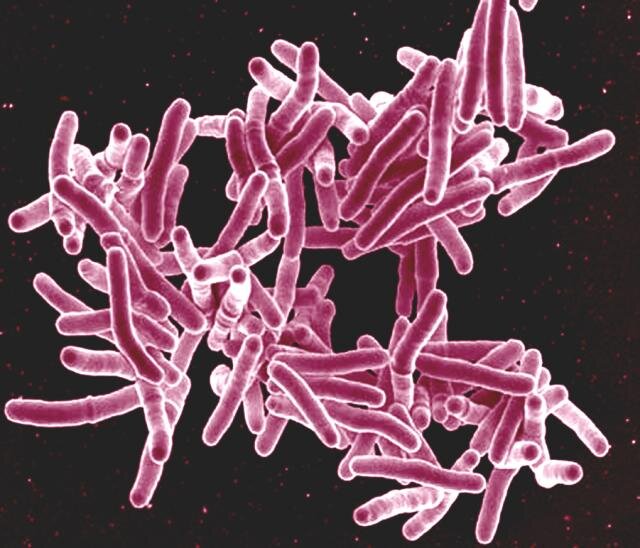
The crisis came to light following a media report on May 2, 2026, which detailed the findings of two separate inspections conducted on March 31 and April 17. Investigators found that the MGMSC hostel had become a breeding ground for Mycobacterium tuberculosis, the bacterium that causes the disease.
According to the reports, the 19 students are currently battling the infection after being subjected to:
-
Overcrowded and Damp Housing: Living quarters were found to be poorly ventilated, providing the ideal environment for respiratory droplets to linger.
-
Severely Inadequate Sanitation: Hygiene standards were reportedly non-existent, with failing plumbing and unhygienic common areas.
-
Nutritional Deficits: The food provided to students allegedly lacked the basic caloric and nutritional density required to maintain a robust immune system.
Most alarmingly, the report alleges that ill students were denied mandatory rest and were instead forced to perform duties as “hospital staff” even on holidays, potentially exposing them further and putting patients at risk.
The Science of the Spread: Why Environment Matters
Tuberculosis is an airborne disease. When a person with active TB in their lungs coughs, speaks, or sneezes, they release tiny droplets into the air. In a well-ventilated, sunlit room, these droplets eventually disperse or are neutralized by UV light. However, in the conditions described at the Shimla hostel, the risk of transmission skyrockets.
“TB thrives in the ‘three Ds’: Dirt, Dampness, and Density,” says Dr. Ananya Sharma, a public health consultant not involved in the case. “When you combine overcrowded sleeping quarters with poor nutrition, the body’s immune system is compromised. In such a setting, one active case can rapidly lead to a cluster, as we are seeing here.”
The World Health Organization (WHO) emphasizes that social determinants—such as housing and nutrition—are just as critical to TB control as medical treatment. The MGMSC outbreak serves as a textbook example of how environmental failure can undermine national TB elimination goals.
Institutional Accountability and Human Rights
The NHRC’s involvement shifts the narrative from a localized medical issue to a broader human rights violation. Under Article 21 of the Indian Constitution, the “Right to Life” encompasses the right to health and a clean environment.
By allegedly ignoring the findings of the March and April inspections, the college administration is accused of “willful negligence.”
“It is a cruel irony that students training to provide care were denied the most basic care themselves,” says Rajesh Verma, a human rights advocate. “Forcing sick students to work not only violates labor laws but is a biological hazard to the community.”
Public Health Implications: The Shimla Context
Himachal Pradesh has been working aggressively toward the “TB Mukt Bharat” (TB Free India) initiative, which aims to eliminate the disease by 2025–2026. This outbreak in the state’s capital is a significant setback.
Key Statistical Context:
-
Transmission Rate: In high-density settings without intervention, one person with active TB can infect 10 to 15 other people in a year.
-
National Target: India accounts for roughly 27% of the global TB burden; outbreaks in institutional settings like hostels are high-priority targets for health officials.
Limitations and Counter-Perspectives
While the NHRC notice is based on inspection reports, the Himachal Pradesh health department has yet to release its formal defense. Some administrative sources suggest that the rapid influx of students has outpaced infrastructure development. However, public health experts argue that infrastructure lag is no excuse for failing to provide basic sanitation or for forcing ill students to work.
There is also the question of whether the 19 cases represent “latent” TB (where the bacteria is dormant) or “active” TB. Regardless, the presence of a cluster indicates a high rate of recent transmission within the hostel walls.
What This Means for Readers
For parents and students across India, this incident is a stark reminder to vet institutional living conditions. Health-conscious consumers should be aware that:
-
Ventilation is Key: Always ensure living and working spaces have adequate airflow.
-
Symptoms Matter: Persistent cough (3+ weeks), night sweats, and unexplained weight loss require immediate medical consultation.
-
Advocacy Works: Living in unhygienic conditions is not just a “part of student life”—it is a health risk that warrants institutional accountability.
As the Chief Secretary prepares the report for the NHRC, the focus remains on the recovery of the 19 students and the immediate overhaul of the MGMSC facilities.
Medical Disclaimer
Medical Disclaimer: This article is for informational purposes only and should not be considered medical advice. Always consult with qualified healthcare professionals before making any health-related decisions or changes to your treatment plan. The information presented here is based on current research and expert opinions, which may evolve as new evidence emerges.
Reference Section
Primary Sources:
-
Press Information Bureau (PIB) Delhi: “NHRC, India takes suo motu cognizance of the media report about nineteen female students contracting Tuberculosis,” Posted 07 May 2026.