 0
0
 0
0
For decades, the dinner table has been a site of quiet anxiety for parents of vegetarian children. While adult plant-based eating has been lauded for its heart-health benefits, the question of whether a child can thrive without meat—during the most rapid periods of bone, brain, and body growth—has remained a point of medical contention.
A landmark systematic review and meta-analysis, recently published in Critical Reviews in Food Science and Nutrition, offers the most definitive answer yet. Researchers found that vegetarian and vegan diets do not inherently jeopardize a child’s growth or nutritional status. However, the study also issued a vital warning: the “safety” of these diets depends entirely on meticulous planning and, in many cases, strategic supplementation.
A Global Look at 48,000 Children
The study, led by Dr. Monica Dinu of the University of Florence, represents a massive leap in pediatric nutritional research. By pooling data from 59 studies across 18 countries, the team analyzed the health markers of 48,626 children and adolescents. The cohort included over 7,000 lacto-ovo-vegetarians (who eat dairy and eggs) and nearly 1,300 vegans.
The findings were largely reassuring. “The evidence suggests that well-planned and appropriately supplemented vegetarian and vegan diets can meet nutritional requirements and support healthy growth in children,” noted Dr. Dinu.
The review highlighted several health advantages for plant-based children, specifically regarding cardiometabolic health. Children on vegetarian diets typically showed:
-
Lower total cholesterol and LDL (the “bad”) cholesterol levels.
-
Higher intake of essential fiber, folate, vitamin C, and magnesium.
-
Healthy growth patterns that mirrored those of their meat-eating peers.
The “Nutrient Gap”: Where Planning Becomes Essential
Despite the positive growth outcomes, the data revealed consistent “gaps” where plant-based diets often fall short compared to omnivorous ones. While vegetarian children excelled in fiber and antioxidants, they frequently lagged in several critical areas.
Specifically, the researchers found that vegetarian and vegan children consumed less energy (calories), protein, fat, and zinc. Vitamin B12 emerged as the most significant concern, as it is found almost exclusively in animal products.
Dr. Jeannette Beasley of New York University, an expert not involved in the primary study, emphasized that these gaps are not failures of the diet, but rather indicators of where parents must focus their efforts. “Vitamin B12 does not reach adequate levels without supplementation or fortified foods,” Dr. Beasley explained. She further noted that calcium, iodine, and zinc levels often sat at the lower end of the recommended ranges in plant-based groups.
Weighing the Risks: Growth vs. Weight
While the Florence study provides a broad, global perspective, it aligns with—and adds nuance to—previous high-profile research. A 2022 longitudinal study published in Pediatrics followed nearly 9,000 children and found no clinically meaningful differences in height or vitamin D levels between vegetarians and meat-eaters.
However, that study introduced a crucial point of caution: vegetarian children had nearly double the odds (an odds ratio of 1.87) of being classified as underweight.
For clinicians, this suggests that while a plant-based diet is safe for most, it requires extra vigilance for children who are naturally smaller or have “picky” eating habits. Because plant-based foods are often high in fiber and volume but lower in calorie density, children—who have small stomachs—may feel full before they have consumed enough energy to support their rapid metabolism.
Practical Implications for Families
For parents navigating this transition, the takeaway is not that meat is “necessary,” but that plant-based eating is not “automatic.” To ensure a child meets their developmental milestones, experts recommend a “Food-First, Supplement-Smart” approach:
-
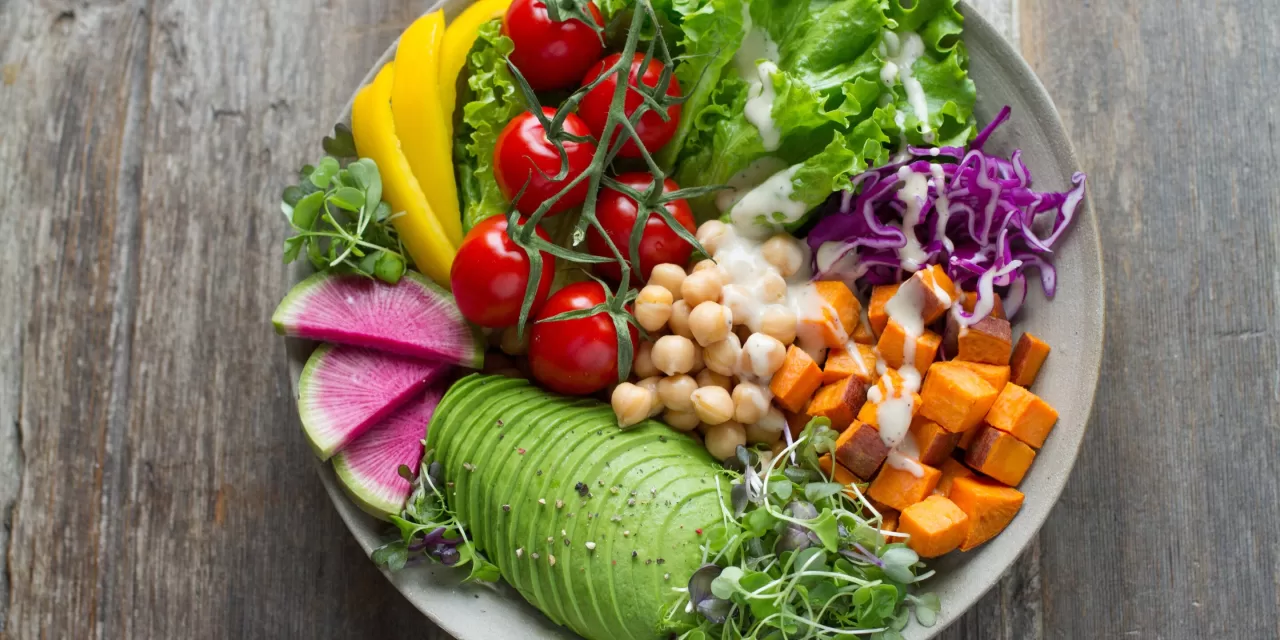
Prioritize Caloric Density: Use healthy fats like avocados, nut butters, and seeds to ensure children get enough energy in smaller servings.
-
The B12 Rule: For vegans, B12 supplementation is non-negotiable. For lacto-ovo-vegetarians, fortified cereals and nutritional yeast can help, but levels should still be monitored.
-
Iron and Zinc Bioavailability: Plant-based iron (non-heme) is harder for the body to absorb. Pairing iron-rich foods like lentils or tofu with vitamin C (like citrus or bell peppers) can significantly boost absorption.
-
Growth Monitoring: Regular check-ups with a pediatrician are essential to track BMI and height velocity, ensuring the child stays on their individual growth curve.
Public Health and the Road Ahead
As interest in plant-based living grows due to environmental and ethical concerns, public health experts are calling for more individualized pediatric counseling.
“Vegetarian diets in children deserve individualized advice, not blanket approval or rejection,” the researchers concluded. The current body of evidence moves the conversation away from if a child can be a vegetarian and toward how they can be a healthy one.
While the study is the most comprehensive to date, researchers acknowledge limitations. Most of the data comes from “cross-sectional” studies—snapshots in time—rather than following the same children for decades. Furthermore, the data for vegan children remains more limited than for those who consume dairy and eggs.
For now, the message to health-conscious families is clear: The plant-based path is open, provided you bring a map, a plan, and perhaps a bottle of Vitamin B12.
References
Medical Disclaimer: This article is for informational purposes only and should not be considered medical advice. Always consult with qualified healthcare professionals before making any health-related decisions or changes to your treatment plan. The information presented here is based on current research and expert opinions, which may evolve as new evidence emerges.