 0
0
 0
0
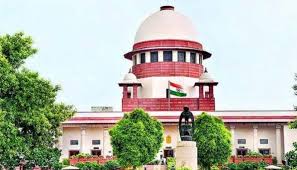
NEW DELHI — The Supreme Court of India has sharply admonished the National Testing Agency (NTA) over the National Eligibility cum Entrance Test-Undergraduate (NEET-UG) 2026 question-paper controversy, stating that the testing body “hasn’t learned its lesson.” The apex court issued notices on multiple petitions demanding sweeping structural changes to the agency. This high-profile judicial intervention follows the abrupt cancellation and rescheduling of the May 3 exam amid widespread allegations of leaked questions. The breach has triggered a Central Bureau of Investigation (CBI) probe, sparking national protests by candidates and parents who argue that the integrity of the country’s medical gateway has been compromised.
The Catalyst: Allegations, Cancellations, and the Scale of Disruption
The NEET-UG exam is India’s standardized, single-day entrance test for admission to undergraduate medical colleges. In a country with a deeply entrenched demand for medical education, the exam routinely attracts millions of hopeful youth. The 2026 iteration saw roughly 2.28 million candidates register and sit for the test, illustrating the massive scale of the current crisis.
The controversy erupted immediately following the May 3 test administration, when allegations surfaced that a set of questions matching the official paper had circulated widely on social media and encrypted messaging channels prior to the exam. Following preliminary local law enforcement reports that suggested a systemic breach, the government canceled the exam results, plunging millions of households into a state of flux.
In a status report provided to parliamentary authorities, the NTA defended its broader protocols but acknowledged a localized compromise. The agency maintained that while “certain questions” surfaced outside official channels prematurely, it does not believe a full, nationwide “paper leak” occurred. Nevertheless, citing a zero-tolerance policy for testing irregularities, the NTA announced a rescheduled examination date while simultaneously attempting to defend its existing multi-layered security measures.
Structural Weaknesses and Conflicting Narratives
The Supreme Court’s willingness to review petitions seeking comprehensive NTA reform highlights a deepening skepticism toward national testing mechanisms. Education and assessment experts note that the current crisis points to fundamental vulnerabilities in the logistics, transparency, and chain-of-custody controls required for massive pen-and-paper examinations.
A media report summarizing the NTA’s internal parliamentary testimony revealed an explicit acknowledgment from ministerial sources of a “breach in the chain of command” regarding paper transportation. This acknowledgment directly conflicts with initial public statements from the agency downplaying the event, a contradiction that public-interest commentators say has eroded public trust.
“When you have 2.2 million students competing for a limited pool of MBBS seats, even a localized leak of five questions can entirely alter the merit list,” explains Dr. Anita Banerjee, an independent educational policy analyst based in New Delhi. “The chain of custody for a physical exam paper relies on thousands of human touchpoints—from printing presses and bank vaults to local invigilators. Without independent audits and stringent technical safeguards, human error or collusion remains an inevitable risk.”
The Public Health Dimension: Chronic Stress and Pipeline Delays
While exam security is primarily viewed through the lens of educational policy, public health experts emphasize that large-scale testing failures carry severe medical and societal consequences. The psychological fallout on an adolescent and young adult demographic is a mounting concern for mental health professionals.
Medical studies consistently show that high-stakes testing is already a primary driver of anxiety and depressive symptoms among Indian youth. The sudden cancellation of a career-defining exam compound this burden exponentially.
NEET-UG 2026 Psychological & Systemic Impact Ripple Effect:
[Exam Cancellation]
       │
       ├─► Acute Psychological Strain (Severe anxiety, sleep fragmentation)
       │
       ├─► Household Financial Strain (Forfeited travel costs, repeated coaching fees)
       │
       └─► Healthcare Workforce Delays (Disrupted annual intake of medical interns)
According to data tracked by mental health advocates, the weeks following the cancellation have seen an uptick in distress calls to student helplines, characterized by acute performance anxiety, feelings of helplessness, and severe sleep fragmentation.
“We are looking at an entire cohort of 17-to-20-year-olds trapped in a prolonged state of psychological fight-or-flight,” says Dr. Vikram Malhotra, a Mumbai-based child and adolescent psychiatrist. “The uncertainty of when they will test, whether the new exam will be fair, and the pressure of maintaining peak performance for months on end creates a toxic stress environment. This can manifest physically in compromised immune function, clinical depression, and severe sleep disorders during critical developmental years.”
Furthermore, the disruption has distinct downstream implications for the broader healthcare infrastructure. Medical education operates on tight, sequential timelines. Recurrent delays or cancellations in national selection tests stall the entry of new medical students into the training pipeline. If these delays persist, they risk creating a bottleneck that can disrupt the annual availability of junior resident doctors and allied health professionals within public and private health systems that already operate under severe workforce constraints.
Counterarguments and Institutional Limitations
In its defense, the NTA asserts that its foundational security architecture remains robust. The agency has repeatedly emphasized its reliance on encrypted transport mechanisms, digital tracking of question box keys, and strict biometric verification of candidates at centers. Representatives from the testing body argue that entirely abandoning the current model due to isolated criminal breaches would punish the vast majority of honest candidates and create logistical chaos.
Independent legal and political commentators also caution that until the CBI and judicial reviews conclude their fact-finding missions, public pronouncements must remain measured.
“We must avoid reactionary policy-making,” notes legal scholar Rajeev Sharma. “While public anger is entirely justified, establishing precise factual responsibility is a legal prerequisite before dismantling an autonomous body like the NTA or mandating a permanent shift to alternative testing modalities.”
What This Means for Candidates: Next Steps and Policy Reforms
For the 2.28 million aspirants caught in the crossfire, immediate action involves maintaining structural focus while tracking official legal remedies.
Immediate Action Items for Students and Families
-
Monitor Official Channels: Rely exclusively on the official NTA portal for revised exam dates, avoiding speculative social media timelines.
-
Document Expenses: Retain all financial records, including original exam fees, coaching renewals, and non-refundable travel/lodging receipts incurred due to the May 3 cancellation, as public interest litigation seeks potential fee waivers or compensation.
-
Access Mental Health Support: Utilize institutional counseling services or state-sponsored youth mental health helplines to manage chronic stress and avoid burnout.
From a long-term policy perspective, the 2026 crisis has significantly strengthened the leverage of reformers. Proposed medium- and long-term systemic updates currently under discussion among stakeholders include:
| Reform Target | Proposed Implementation |
| Logistics Audits | Mandatory third-party cryptographic and physical audits of exam custody chains prior to test day. |
| Legal Deterrents | Implementing harsher federal criminal penalties specifically targeting organized paper-leak syndicates. |
| Modality Shift | Piloting a transition from single-day pen-and-paper formats to multi-session, secure computer-based testing (CBT) models, similar to the engineering gateway (JEE). |
| Student Welfare | Integrating mandatory, state-funded mental health support infrastructure directly into national exam registration portals. |
As the Supreme Court continues its scrutiny and the CBI progresses with its criminal investigation, the immediate priority remains balancing the restoration of absolute exam integrity with the immediate psychological and physical protection of India’s future medical workforce.
Medical Disclaimer
Medical Disclaimer: This article is for informational purposes only and should not be considered medical advice. Always consult with qualified healthcare professionals before making any health-related decisions or changes to your treatment plan. The information presented here is based on current research and expert opinions, which may evolve as new evidence emerges.
References
- https://health.economictimes.indiatimes.com/news/policy/neet-ug-2026-paper-leak-sc-says-nta-hasnt-learned-its-lesson-issues-notice-on-pleas-to-bring-wide-changes-in-testing-body/131307058?utm_source=top_story&utm_medium=homepage