 0
0
 0
0
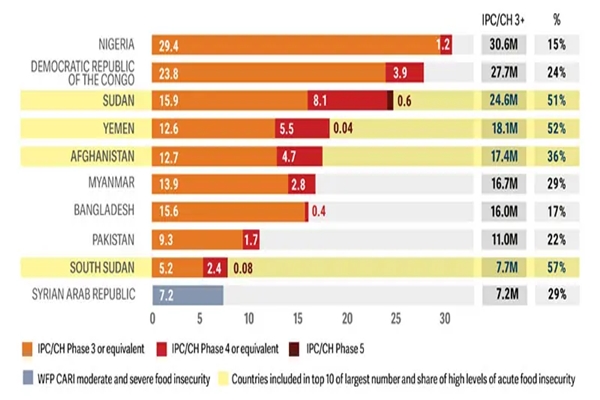
ISLAMABAD — Pakistan has been named one of the ten countries most severely impacted by acute food insecurity, with approximately 11 million people facing “crisis” or “emergency” conditions in 2025. The findings, part of the 2026 Global Report on Food Crises (GRFC) released in Rome on April 24, 2026, underscore a deepening humanitarian challenge driven by a volatile cocktail of climate shocks, economic instability, and regional displacement.
As global hunger levels reach historic highs, the report identifies Pakistan alongside nations such as Afghanistan, Sudan, and Yemen, where acute hunger is most concentrated. For health professionals and the public alike, the data signals more than just a lack of food; it highlights a burgeoning public health emergency characterized by rising malnutrition and weakened national resilience.
A Nation in the “Emergency” Zone
The GRFC 2026, produced by the Global Network Against Food Crises (GNAFC), paints a sobering picture of the scale of the crisis. Out of the 11 million Pakistanis affected:
-
9.3 million are in IPC Phase 3 (“Crisis”)
-
1.7 million have reached IPC Phase 4 (“Emergency”)
The Integrated Food Security Phase Classification (IPC) defines Phase 4 as a level just one step below famine, where households face large food gaps that result in very high acute malnutrition and excess mortality.
“The situation in Pakistan is deeply entrenched,” says a spokesperson for the Food and Agriculture Organization (FAO). “While we see a marginal decrease in absolute numbers compared to the previous year, the gains are fragile. Intensifying climate extremes and persistent economic pressures are keeping millions on the brink.”
The Triple Threat: Climate, Economy, and Conflict
The report identifies three primary drivers pushing Pakistan’s food security to the limit:
-
Climate Shocks: The “residual impacts” of the 2025 monsoon floods remain a primary catalyst. These floods affected over 6 million people, wiping out crucial cropland and infrastructure in Sindh and Balochistan.
-
Economic Stress: With inflation projected to hover around 6% this year, the purchasing power of the average household has evaporated. The cost of wheat flour—a staple of the Pakistani diet—has become a significant barrier to nutrition.
-
Displacement: Pakistan remains a primary host for displaced populations, particularly Afghan refugees. This influx, combined with internal displacement from climate disasters, has strained already overstretched local resources and healthcare systems.
The Health Toll: Beyond the Dinner Table
From a clinical perspective, acute food insecurity is a precursor to a range of severe medical outcomes. When individuals cannot access adequate nutrition, the physiological impact is immediate and often long-lasting.
Wasting and Immunity
“Acute hunger leads to ‘wasting’—where a person is too thin for their height,” explains Dr. Rana Chehab, a nutritional scientist. “This isn’t just about weight; it’s about the collapse of the immune system. In food-insecure regions, we see a spike in infectious diseases because the body no longer has the protein or micronutrients required to fight off basic pathogens.”
Maternal and Neonatal Risks
The stakes are highest for pregnant women. Research published in JAMA Network Open indicates that food insecurity during pregnancy is directly linked to higher rates of:
-
Gestational diabetes
-
Preeclampsia
-
Preterm birth
-
Low birth weight
Expert Perspectives and Counterarguments
While the numbers are alarming, some experts urge a nuanced interpretation of the data. The 2026 report notes that the apparent rise in food insecurity is partially due to expanded data coverage. The analysis grew from 43 districts in 2024 to 68 districts in 2025, bringing more vulnerable populations in Balochistan and Sindh into the fold.
“We are seeing more hunger because we are finally looking at the places where it was previously hidden,” notes an independent analyst from the Sustainable Development Policy Institute (SDPI). “The data doesn’t necessarily mean the situation worsened everywhere; it means our ‘health check’ of the nation is becoming more accurate.”
However, even with better data, the underlying reality remains grim. The UN has called for immediate “lifesaving assistance” to prevent a “catastrophe” in areas like Musakhel, Zhob, and Tank, where up to 30% of the population faces high levels of food insecurity.
Practical Implications for the Public
For the average reader, this report serves as a reminder that nutrition is the foundation of public health.
-
For Families: High food prices often force a shift toward “calorie-dense but nutrient-poor” diets (e.g., more sugar and flour, fewer vegetables and proteins). This can lead to the “double burden” of malnutrition: where undernutrition and obesity coexist within the same community.
-
For Healthcare Providers: There is an urgent need to integrate nutrition screenings into routine prenatal and pediatric care. Identifying food insecurity early can allow for interventions like cash transfers or fortified food programs that mitigate long-term health damage.
The Road Ahead
The outlook for 2026 remains “bleak” according to global agencies, but there are pathways for improvement. The report suggests that the upcoming spring harvest and seasonal livestock sales may offer temporary relief. However, long-term stability will require more than just a good harvest; it requires climate-resilient agriculture and robust social safety nets.
As the Global Report on Food Crises concludes, food insecurity is no longer an isolated shock—it is a persistent threat to global and national stability.
Medical Disclaimer: This article is for informational purposes only and should not be considered medical advice. Always consult with qualified healthcare professionals before making any health-related decisions or changes to your treatment plan. The information presented here is based on current research and expert opinions, which may evolve as new evidence emerges.
References
-
Dawn News. “Pakistan among top 10 countries facing acute food crisis.” April 25, 2026.