 0
0
 0
0
OXFORD, UK — In a rapid mobilization of global health science, the University of Oxford announced on July 13, 2026, the launch of the world’s first human clinical trial for a vaccine targeting the Bundibugyo ebolavirus (BDBV). The early-stage study, known as the BD-Ebov trial, comes amid an active and expanding public health emergency in the Democratic Republic of the Congo (DRC) and neighboring Uganda, where the rare viral strain has caused significant casualties this year.
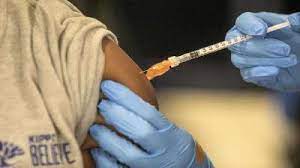
The trial will evaluate the safety and immune responses of an investigational vaccine candidate, ChAdOx1 BDBV, in 50 healthy adult volunteers aged 18 to 55 within the United Kingdom. Funded by an initial $8.6 million investment from the Coalition for Epidemic Preparedness Innovations (CEPI) and developed in partnership with the Serum Institute of India (SII), the milestone was achieved just 57 days after the World Health Organization (WHO) designated the current outbreak a Public Health Emergency of International Concern (PHEIC).
The Race Against a Rising Threat
The Bundibugyo ebolavirus is one of several distinct species within the Ebolavirus genus. While the more common Zaire ebolavirus strain has approved vaccines (such as Ervebo) and monoclonal antibody treatments, the Bundibugyo strain currently has no licensed vaccines or targeted therapeutics. This therapeutic void makes outbreak control exceptionally difficult, relying almost entirely on supportive clinical care and strict isolation measures.
According to situational reports from the WHO updated on July 1, 2026, the situation on the ground remains highly volatile. The DRC alone has logged 1,460 confirmed cases and 452 deaths, while Uganda has registered 20 confirmed cases. The outbreak has also demonstrated international reach, with imported cases documented in France and a U.S. citizen medically evacuated to Germany, underscoring the potential for cross-border transmission driven by regional insecurity and population displacement.
Inside the Science: The ChAdOx1 Platform
The newly launched trial will focus fundamentally on two parameters: verifying that the vaccine candidate does not cause severe adverse reactions and confirming that it induces a robust production of neutralizing antibodies and T-cell responses.
The ChAdOx1 BDBV candidate utilizes a modified, non-replicating chimpanzee adenovirus vector—the exact same technological framework that underpinned the Oxford/AstraZeneca COVID-19 vaccine, which saved an estimated six million lives in its first year of deployment. By engineered delivery of harmless genetic material from the Bundibugyo virus, the platform trains the human immune system to recognize and attack the surface proteins of the real pathogen upon any future exposure.
[ChAdOx1 Adenovirus Vector] ➔ Delivers BDBV Genetic Snippet ➔ Human Cells Produce Target Protein ➔ Immune System Generates Antibodies
To bridge the gap between scientific breakthrough and real-world availability, the Serum Institute of India utilized advanced parallel manufacturing protocols to produce and stockpile approximately 620,000 doses of the vaccine candidate within just two weeks, alongside delivering 4,000 investigational doses directly to Oxford for the initial trial stage.
Expert Perspectives on Speed vs. Safety
Global health authorities are welcoming the swift transition from laboratory design to clinical application, though they emphasize that rigorous protocols must remain paramount.
“The ongoing Bundibugyo ebolavirus outbreak continues to devastate affected communities, underlining the urgent need for effective vaccines and treatments,” said Professor Teresa Lambe OBE, Calleva Head of Immunology at the Oxford Vaccine Group and the study’s Lead Scientific Investigator. “Our team has worked tirelessly with global partners to develop a candidate ChAdOx BDBV vaccine, demonstrating how collaborative partnerships can enable rapid response in the face of rapidly evolving outbreaks.”
Independent experts not involved in the trial point out that adapting a pre-existing vaccine platform significantly accelerates development without cutting regulatory corners.
“Using a validated viral-vector platform like ChAdOx1 means we already possess extensive long-term safety data regarding how the human body reacts to the delivery vehicle itself,” notes Dr. Nicole Lurie, Executive Director of Preparedness and Response at CEPI. “However, early studies are strictly experimental. Moving fast is vital, but proving absolute safety through standard clinical pathways remains non-negotiable before these tools can be deployed to frontline health workers.”
Public Health Implications and Practical Realities
For health-conscious consumers and professionals analyzing this development, the immediate takeaway is clear: this trial represents the beginning of a regulatory journey, not a finished solution.
If Phase 1 data demonstrates a favorable safety profile and robust immunogenicity (the ability to provoke an immune response), CEPI and Oxford plan to rapidly initiate downstream clinical studies directly within Uganda and the DRC. This secondary testing would involve individuals at the highest risk of exposure, particularly frontline healthcare providers who frequently face transmission risks in resource-limited clinical settings.
For the general public outside active transmission zones, this milestone does not alter day-to-day medical guidance or necessitate preventative vaccination. Standard infection prevention—practicing meticulous hand hygiene, avoiding travel to designated hot zones, and relying exclusively on verified documentation from health authorities—remains the bedrock of public defense against infectious disease threats.
Methodological Limitations and Next Steps
As an early-stage study involving 50 healthy individuals, the BD-Ebov trial possesses inherent scientific limitations that prevent broad biological assertions:
-
Safety vs. Efficacy: Phase 1 trials are strictly sized to observe tolerability and identify side effects. They are not designed to prove whether a vaccine successfully prevents a person from contracting an active infection.
-
Surrogate Markers: Measuring antibodies in a controlled laboratory setting in the UK is a proxy for immunity. It does not automatically guarantee that those same biological markers will translate into real-world protection during a highly contagious hemorrhagic fever outbreak.
-
Scale Restrictions: Rare side effects can only be detected when sample sizes scale into thousands of participants during Phase 2 and Phase 3 trials.
The global health community remains cautiously optimistic. By running manufacturing scales in parallel with early safety screening, the international coalition aims to ensure that if the science proves successful, the deployment will not be delayed by logistics.
Reference Section
Study & Institutional Sources
-
University of Oxford: World’s first Phase I Bundibugyo ebolavirus vaccine trial launched by Oxford Vaccine Group. Published July 13, 2026. Link
Medical Disclaimer: This article is for informational purposes only and should not be considered medical advice. Always consult with qualified healthcare professionals before making any health-related decisions or changes to your treatment plan. The information presented here is based on current research and expert opinions, which may evolve as new evidence emerges.