 0
0
 0
0
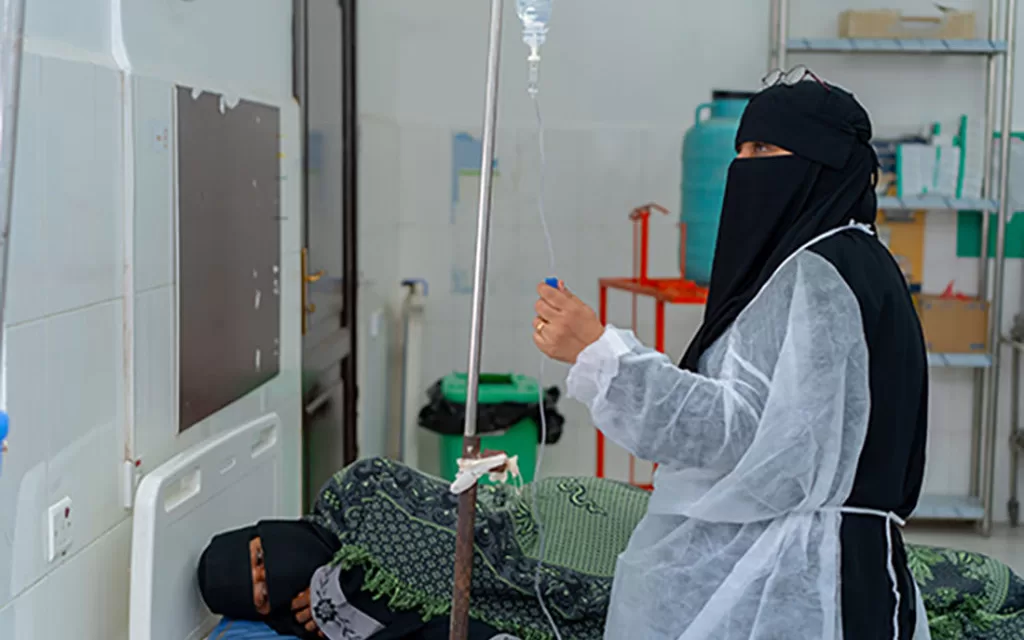
KABUL/GLOBAL HEALTH — In a sobering assessment of one of the world’s most precarious healthcare landscapes, the World Health Organization (WHO) has issued a dire warning: one mother dies every hour in Afghanistan from complications related to pregnancy and childbirth. This data, released in May 2026 to coincide with International Day of the Midwife, underscores a persistent humanitarian emergency where the majority of these deaths are entirely preventable with basic medical intervention.
With a maternal mortality ratio (MMR) currently estimated at 521 deaths per 100,000 live births, Afghanistan remains an extreme outlier in global health. The figure represents a stark departure from the United Nations’ Sustainable Development Goal (SDG) target of fewer than 70 deaths per 100,000 live births by 2030. For health officials and families alike, the “one death per hour” metric is more than a statistic; it is a signal of a system in collapse.
The Anatomy of a Preventable Tragedy
The WHO report identifies four primary clinical drivers of maternal mortality in the region:
-
Postpartum Hemorrhage: Severe bleeding after birth, which can kill within hours if not treated with oxytocics or blood transfusions.
-
Hypertension (Pre-eclampsia/Eclampsia): High blood pressure that can lead to seizures and organ failure.
-
Sepsis: Systemic infections resulting from unsanitary birthing conditions or untreated complications.
-
Obstructed Labor: Physical barriers to delivery that require surgical intervention, such as a C-section.
“These are not mysterious medical enigmas,” says a senior South Asia maternal health specialist at a UN-linked aid program, who spoke on the condition of anonymity. “In most parts of the modern world, we solved these problems decades ago. In Afghanistan, these conditions are becoming death sentences again because the ‘Three Delays’—delay in seeking care, delay in reaching a facility, and delay in receiving adequate treatment—have all intensified.”
A System Under Strain: Barriers to Care
The crisis is not merely a failure of medicine, but a convergence of social, economic, and political factors. According to a 2025 peer-reviewed study published in BMC Pregnancy and Childbirth, the return of the Taliban in 2021 introduced new structural barriers that have since calcified.
1. Restricted Mobility and Gender Barriers
The “Mahram” requirement—which mandates that women be accompanied by a male guardian when traveling—has created a literal physical barrier to emergency care. If a husband or male relative is unavailable when labor begins, a woman may be forced to wait, missing the critical window for life-saving intervention. Furthermore, the acute shortage of female healthcare workers means that even if a woman reaches a clinic, there may be no culturally “permissible” provider to treat her.
2. Economic Collapse and Infrastructure
Widespread poverty means that the cost of a taxi to a provincial hospital can exceed a family’s monthly income. When coupled with a crumbling referral system and a lack of reliable emergency transport, many women are forced to deliver at home without skilled birth attendants.
3. The “Brain Drain” and Supply Shortages
The study in BMC Pregnancy and Childbirth noted that many of the country’s most experienced obstetricians and midwives have fled the country. Those who remain face severe shortages of essential medicines, clean water, and electricity. “It is difficult to manage an eclamptic seizure when you have no magnesium sulfate and the lights in the clinic won’t turn on,” the study authors noted through interviews with frontline workers.
Why the MMR is a “Canary in the Coal Mine”
Public health experts view the maternal mortality ratio as the ultimate litmus test for a country’s overall health infrastructure. Because maternal survival requires a “seamless continuum of care”—from prenatal vitamins to emergency surgery and postnatal follow-ups—a high MMR indicates that every level of the system is failing.
“The maternal mortality ratio captures the risk of death with every single pregnancy,” the WHO stated in its April 2025 data update. “It is a core public health indicator because reductions in these numbers usually reflect stronger health systems, better access to skilled care, and improved education for women.”
In Afghanistan, the current ratio of 521 is nearly eight times higher than the global target. This disparity suggests that the progress made over the previous two decades, which saw a gradual increase in female education and clinic accessibility, is being rapidly erased.
Understanding the Data: A Note on Estimates
While the “one mother every hour” figure provides a powerful visual for the scale of the crisis, the WHO cautions that maternal death data in conflict zones is notoriously difficult to collect. In regions where civil registration is incomplete and many deaths occur at home, maternal mortality is often underreported or misclassified.
The current figures are “adjusted estimates,” meaning they are calculated using statistical modeling to account for gaps in local reporting. Experts suggest that while the specific number may fluctuate, the upward trend of the crisis is undeniable and supported by qualitative field reports from NGOs operating on the ground.
The Path Forward: What This Means for Public Health
For the international community, the WHO’s warning is a call for sustained humanitarian corridors that bypass political volatility to provide direct support to clinics. For individuals within the region, the findings emphasize the life-saving importance of:
-
Antenatal Care: At least four prenatal visits can identify high-risk conditions like hypertension before they become fatal.
-
Birth Planning: Identifying transport and a skilled attendant well before the due date.
-
Emergency Recognition: Training families to recognize “danger signs,” such as blurred vision, severe headaches, or reduced fetal movement.
However, as the BMC study highlights, “community resilience” has its limits. While local religious leaders and community health workers have attempted to fill gaps through local outreach, they lack the resources to manage surgical emergencies.
The message from global health authorities is clear: Without a policy shift that prioritizes women’s mobility and ensures the safety and training of female medical staff, the hourly toll of preventable deaths will continue to climb.
Reference Section
- https://www.indiatribune.com/public/a-mother-dies-from-preventable-complications-every-hour-in-afghanistan-who
Medical Disclaimer: This article is for informational purposes only and should not be considered medical advice. Always consult with qualified healthcare professionals before making any health-related decisions or changes to your treatment plan. The information presented here is based on current research and expert opinions, which may evolve as new evidence emerges.