 0
0
 0
0
MUMBAI — In a move that could fundamentally alter the landscape of oncology in South Asia, U.S.-based precision oncology leader Guardant Health and Indian pharmaceutical titan Zydus Lifesciences announced a strategic partnership on May 5, 2026, to launch the Shield blood-based multi-cancer detection (MCD) test in India. This collaboration aims to confront India’s escalating cancer crisis by providing a minimally invasive tool for early detection—a critical intervention in a country where the majority of cases are diagnosed too late for curative treatment.
The Challenge: A Crisis of Late Detection
India currently faces a staggering burden of nearly 1.6 million new cancer cases annually. Perhaps more concerning is the mortality-to-incidence ratio, which sits at 57%. This high death rate is largely attributed to the fact that 60% to 70% of patients are diagnosed at Stage III or IV.
Traditional screening methods in India are often limited to specific cancers, such as breast or cervical, and are frequently hampered by infrastructure gaps and patient hesitancy regarding invasive procedures. The introduction of the Shield test offers a “liquid biopsy” alternative that requires only a simple blood draw, potentially bypassing the barriers of more traditional, site-specific screenings.
How the Technology Works: Reading the Blood’s Code
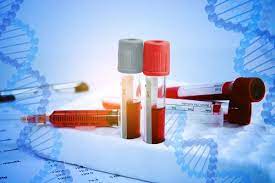
The Shield test utilizes advanced liquid biopsy technology to identify “signals” of cancer. When tumors grow, they shed small fragments of DNA into the bloodstream, known as cell-free DNA (cfDNA).
The Shield test specifically analyzes methylation patterns—chemical changes to the DNA that act as a signature for various types of cancer. Unlike a traditional biopsy, which requires a physical tissue sample from a tumor, Shield can screen for 10 different types of cancer simultaneously, including:
-
Digestive Tract: Gastric, esophageal, colorectal, and pancreatic.
-
Respiratory & Reproductive: Lung and ovarian.
-
Other Major Organs: Liver, bladder, breast, and prostate.
“The goal is to enable a single test that can detect multiple cancers early, when they are most treatable,” said Simranjit Singh, Guardant Health’s CEO for Asia, Middle East, and Africa. “Early detection can improve survival rates by three to 10 times.”
Clinical Efficacy: By the Numbers
The clinical data supporting Shield suggests a high degree of accuracy in distinguishing between healthy individuals and those with malignancy. According to Guardant Health’s latest reports:
-
Overall Specificity: 98.5% (meaning a very low rate of false positives).
-
Overall Sensitivity: 60% for all stages combined.
-
Targeted Sensitivity: This rises to 74% for aggressive, “silent” killers like pancreatic and esophageal cancers.
-
Signal Origin: When a cancer signal is detected, the test identifies where the cancer started with 89% accuracy.
The colorectal-specific version of Shield, which received FDA approval in 2024 following the landmark ECLIPSE study of over 20,000 participants, showed a sensitivity of 83% to 84% for colorectal cancer.
Expert Perspectives
Medical professionals acknowledge the promise of the technology while maintaining a cautious outlook on its integration into standard care. Dr. William Greenleaf, a professor of genetics at Stanford University and consultant for Shield, noted that the results demonstrate significant promise “for detection of multiple cancer types… at a stage when treatment is more effective.”
However, Indian oncologists emphasize that while the test is a breakthrough, it is not a “silver bullet.” Dr. Irteza Inayat, a gastroenterologist, points out a significant limitation: the test is less effective at catching precancerous lesions. In the ECLIPSE study, Shield detected only 13% of advanced adenomas (precancerous polyps), compared to the 90% detection rate typically achieved via colonoscopy.
“Liquid biopsies are an incredible addition to our toolkit, but they must be viewed as a complement to, not a replacement for, gold-standard diagnostic procedures like colonoscopies or tissue biopsies,” says Dr. Inayat.
Public Health and Economic Implications
The partnership between Guardant and Zydus is currently in negotiations with 10 major hospital chains, wellness centers, and diagnostic labs across India for the initial rollout.
The Price of Innovation
The economic impact of the Shield test is a subject of intense discussion. In the United States, the Shield test is priced at approximately $1,495 (roughly ₹1.25 to ₹1.4 lakh). For the test to gain widespread traction in India’s price-sensitive market, industry analysts suggest that subsidies, insurance coverage, or tiered pricing models will be essential.
If made accessible, the public health benefits could be profound. By shifting the diagnostic window from late-stage symptomatic detection to early-stage asymptomatic screening, the healthcare system could save billions in treatment costs associated with advanced-stage chemotherapy and palliative care.
Limitations and the “False Sense of Security”
While the Shield test represents a leap forward, it carries inherent risks that patients must understand:
-
False Negatives: The test misses approximately 17% of colorectal cancers. A “negative” result does not guaranteed that a patient is cancer-free.
-
False Positives: About 10% of patients without cancer may receive a false signal, leading to unnecessary anxiety and invasive follow-up procedures.
-
Confirmatory Testing: A positive Shield result is not a diagnosis. It is a “signal” that mandates further diagnostic imaging or traditional biopsies to confirm the presence of a tumor.
Looking Ahead
The launch of Shield in India marks a pivotal moment in the global expansion of liquid biopsy technology. As Guardant and Zydus move toward commercial availability, the focus will shift to how the Indian regulatory environment adapts to these “multi-cancer” tools and whether the medical infrastructure can support the influx of patients who may be identified through these screenings.
For the average-risk Indian adult over the age of 45, the Shield test may soon offer a new, less daunting way to stay ahead of a silent disease, provided it is used as one part of a broader, physician-guided health strategy.
References
-
The Economic Times Health. (2026, May 5). Guardant Health to launch blood-based cancer test in India with Zydus Lifesciences.
Medical Disclaimer: This article is for informational purposes only and should not be considered medical advice. Always consult with qualified healthcare professionals before making any health-related decisions or changes to your treatment plan. The information presented here is based on current research and expert opinions, which may evolve as new evidence emerges.