 0
0
 0
0
SYDNEY — Health and biosecurity authorities in New South Wales (NSW) have confirmed the state’s first detection of the H5 avian influenza virus after a sick migratory seabird tested positive on the mid-north coast. The detection, confirmed by the NSW Department of Primary Industries and Regional Development (DPIRD) on July 5, 2026, makes NSW the third Australian state to report H5-related cases in wild bird populations this year. While state officials emphasize that this is an isolated incident with no current evidence of transmission to poultry operations or humans, it has prompted an immediate expansion of environmental field surveillance across high-risk coastal sectors.
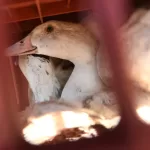
The infected bird, identified as a giant petrel, was discovered showing severe signs of illness near Hawks Nest. Local wildlife responders secured the animal, which later tested positive for the H5 influenza subtype during routine diagnostic screening. Biosecurity experts note that while the virus is highly infectious among avian populations, the risk to the general public remains low. Australia has now recorded a total of six H5 detections in wild birds across three states, including previous confirmations in Western Australia and South Australia.
Anatomy of the Avian Influenza Virus
To understand why this detection has triggered expanded surveillance, it helps to understand how the virus is structured. Avian influenza viruses are categorized based on two proteins found on the surface of the virus: Hemagglutinin (HA) and Neuraminidase (NA).
The “H5” label refers to the specific type of hemagglutinin protein protruding from the viral envelope. When a highly pathogenic strain like H5N1 emerges, these surface proteins are highly efficient at binding to respiratory cells in birds. While these proteins do not easily bind to human upper respiratory receptors, continuous mutations can change how the virus interacts with different mammalian hosts, which is why international health bodies monitor wild bird movements so closely.
Navigating the Public Health Context
For years, Australia held a unique status as the only continent completely free of the highly pathogenic H5N1 lineage that has devastated avian and mammalian wildlife across the Americas, Europe, and Africa. That geographic isolation changed in late 2025 when the virus was officially detected on Heard Island, a sub-Antarctic Australian territory.
According to guidelines from the World Health Organization (WHO) and the U.S. Centers for Disease Control and Prevention (CDC), the detection of H5 in a migratory seabird does not mean a human epidemic is imminent. Human infections with avian influenza remain rare globally. When they do occur, they are almost exclusively linked to direct, unprotected contact with heavily infected birds, fluid secretions, or highly contaminated environments.
The Public Health Consensus: There is currently no evidence of sustained, human-to-human transmission of the H5N1 virus. The general public faces a low risk of infection, whereas agricultural workers, veterinary staff, and wildlife handlers carry a higher occupational risk.
Balancing Consumer Confidence and Agricultural Safety
In a media briefing following the confirmation, NSW Agriculture Minister Tara Moriarty sought to reassure consumers that the state’s food supply chains are safe and unaffected.
“There is absolutely no impact on the supply or safety of chicken meat or eggs in retail environments,” Moriarty stated, urging consumers to continue purchasing and preparing poultry products as normal. Normal cooking temperatures easily destroy the virus, making commercial poultry completely safe to eat.
Concurrently, NSW Chief Veterinary Officer Jo Coombe described the case as an expected outcome of heightened regional vigilance.
“This is an isolated detection in a single migratory species,” Coombe explained. “However, it serves as a critical reminder for the community to avoid touching sick or dead wildlife. Reporting these sightings immediately to our biosecurity hotlines is the best way to safeguard our local ecosystems and commercial flocks.”
Recognizing Symptoms and Practical Steps for the Public
Avian influenza alters a bird’s behavioral and physical state. Recognizing these signs helps citizens assist authorities without putting themselves or their pets at risk.
Common Signs of Bird Flu in Wildlife:
-
Extreme lethargy or lack of fear around humans
-
Visible breathing difficulties or gasping
-
Watery eyes or unusual discharge from the beak
-
Neurological distress, including difficulty walking, a twisted neck, or partial paralysis
| What to Do | What to Avoid |
| Report: Call local biosecurity or wildlife rescue agencies immediately. | Do Not Touch: Never handle a sick or dead wild bird with bare hands. |
| Secure Pets: Keep dogs on leashes and cats indoors near coastal areas. | Do Not Move: Avoid moving a deceased bird to a new area, which can spread pathogens. |
| Practice Hygiene: Wash hands thoroughly if accidental contact occurs. | Do Not Panic: Remember that commercial eggs and meat remain entirely safe. |
Limitations, Unknowns, and Next Steps
Epidemiologists caution that a confirmed H5 finding requires nuance. A positive H5 test confirms the broad family of the virus, but advanced genetic sequencing is still underway to determine the exact strain and whether it matches the highly pathogenic H5N1 variant causing global concern.
Furthermore, as surveillance teams expand their testing parameters across coastal roosting sites, the number of confirmed positive wild birds will likely rise. A spike in detected cases among wildlife reflects a more sensitive testing system rather than an escalation of risk to human populations. For now, the primary objective is containment: keeping the virus in the wild and out of the commercial poultry infrastructure.
References
-
Reuters. “Australia’s New South Wales confirms H5N1 bird flu case, third state.” Published July 5, 2026.
Medical Disclaimer
Medical Disclaimer: This article is for informational purposes only and should not be considered medical advice. Always consult with qualified healthcare professionals before making any health-related decisions or changes to your treatment plan. The information presented here is based on current research and expert opinions, which may evolve as new evidence emerges.