 0
0
 0
0
DHAKA, BANGLADESH — Bangladesh reported seven additional suspected measles deaths in the 24 hours leading up to 8:00 a.m. on July 5, 2026. Public health authorities and international partners continue to mount a large-scale emergency response to a rapidly expanding outbreak that has affected tens of thousands of children across the majority of the country’s districts.
The newly reported fatalities underscore the severe impact of an epidemic that began in mid-March 2026. Driven by pandemic-era immunity gaps and shifting demographics, the disease has fast become one of the most significant public health challenges the region has faced in recent years.
Escalating Case Counts and Regional Impact
The seven latest deaths, heavily concentrated among vulnerable pediatric populations, bring the combined national tally of confirmed and suspected measles deaths well into the high 700s. According to nationwide surveillance data monitored by the World Health Organization (WHO) and local health ministries, the virus has breached containment lines across most of Bangladesh’s administrative districts.
As of July 2026, aggregate reporting indicates that the country has surpassed 100,000 suspected infections, yielding more than 11,000 laboratory-confirmed cases. Local healthcare facilities, particularly dedicated pediatric wards in urban hubs and rural health complexes, are facing unprecedented strain. Resources are increasingly being diverted to manage acute respiratory and gastrointestinal complications associated with the disease.
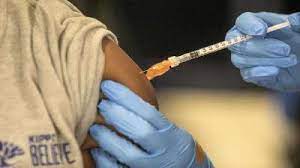
In response to the initial surge detected in the spring, health authorities launched a phased measles-rubella (MR) mass vaccination campaign in April 2026. This emergency initiative has since been expanded into newly compromised districts and dense urban centers, targeting children aged 6 to 59 months—the demographic bearing the brunt of severe illness and mortality.
What the Epidemiological Data Show
Data published in the WHO’s initial national response summaries highlight a stark demographic reality: the vast majority of infections and nearly all recorded fatalities have occurred in children under five years of age who are entirely unvaccinated or under-vaccinated.
| Metric | Estimated Outbreak Status (As of July 2026) |
| Suspected Cases | > 100,000 |
| Laboratory-Confirmed Cases | > 11,000 |
| Total Suspected & Confirmed Deaths | ~730–780+ |
| Primary Target Demographic | Children aged 6–59 months |
Epidemiologists note that while Bangladesh had previously made exemplary strides toward measles elimination, a combination of routine immunization disruptions over the last several years left a critical mass of young children unprotected. When an infectious agent as volatile as the measles virus enters such an “immunity gap,” transmission dynamics accelerate exponentially.
Expert Perspectives on the Crisis
Public health officials emphasize that the current emergency is a predictable consequence of declining vaccination coverage combined with high population density.
Dr. Vinod Bura, WHO Regional Advisor, noted in an official situational update that the outbreak is primarily driven by accumulated immunity gaps in recent birth cohorts. He emphasized that declining routine immunization efficiency and high population mobility have created a perfect storm, necessitating immediate, aggressive catch-up vaccination campaigns alongside the fortification of routine healthcare delivery systems to stop preventable deaths.
Independent infectious disease specialists not directly involved in the localized campaign echo these concerns, pointing to the basic biology of the virus.
“Measles is among the most contagious human pathogens known to medicine,” says an independent infectious-disease specialist tracking regional outbreaks. “To achieve herd immunity and completely halt transmission, a community requires a vaccination coverage threshold of roughly 95%. The moment routine coverage dips below this benchmark, large-scale outbreaks with high pediatric mortality cease to be a possibility—they become an absolute certainty.”
Context, Symptoms, and Pathophysiology
Measles is a highly contagious viral illness spread through respiratory droplets or direct airborne transmission. The disease typically manifests with classic prodromal symptoms:
-
High fever
-
A hacking cough
-
A runny nose (coryza)
-
Severe conjunctivitis (red, watery eyes)
-
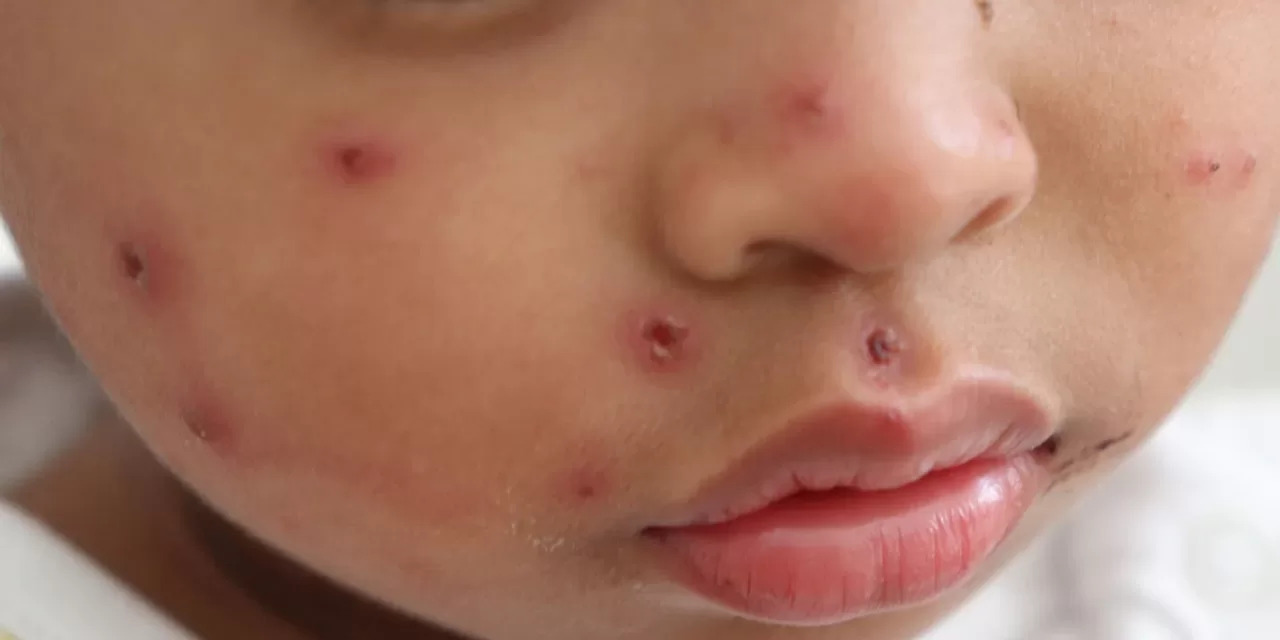
The appearance of Koplik spots (small white spots inside the mouth) followed by a characteristic maculopapular rash that spreads from the face down the body.
While the rash is the most visible sign, the true danger lies in the virus’s systemic complications. Measles causes profound, transient immunosuppression, leaving children highly vulnerable to secondary infections. Severe complications include life-threatening pneumonia, acute encephalitis (which can cause permanent neurological damage), severe diarrhea leading to dehydration, and blindness—particularly in malnourished children or those with underlying vitamin A deficiencies.
Public Health Implications and Systemic Challenges
The immediate operational priority for the government of Bangladesh and its global health partners is the rapid expansion of high-quality, equitable vaccination coverage. Bolstering active surveillance and expanding laboratory confirmation capacities are critical to mapping the virus’s movement accurately.
However, deploying a massive, countrywide campaign is fraught with logistical bottlenecks. Supplying cold-chain refrigeration units to remote villages, ensuring a steady international pipeline of the MR vaccine, and mitigating healthcare worker fatigue are major hurdles slowing the campaign’s overall impact.
For the broader global health community, this crisis serves as a stark reminder. Immunization gaps left unaddressed in one region pose a continuous threat to regional and global health security, underscoring the absolute necessity of maintaining resilient routine healthcare infrastructure even during periods of low disease prevalence.
Data Limitations and Uncertainties in Reporting
As with many rapid-onset humanitarian or health crises, compiling precise statistics remains a major challenge. Publicly reported figures frequently diverge between different official bodies and media outlets.
A significant portion of the discrepancy stems from the distinction between “suspected” cases—diagnosed clinically by a frontline healthcare worker based on symptoms alone—and laboratory-confirmed cases verified via serological testing. In resource-constrained environments, tracking every single case via a laboratory is impossible. Consequently, current cumulative death tolls frequently combine both confirmed and suspected cases. The public and policymakers are urged to interpret near-real-time media tallies with caution, recognizing that official case-fatality rates will continue to evolve as retrospective data auditing takes place.
Practical Takeaways for Caregivers
-
Prioritize Vaccination: Vaccination remains the single most effective defense against measles. Parents and caregivers should immediately verify their children’s immunization records. Ensure that eligible children receive both scheduled doses of the measles-containing vaccine.
-
Participate in Local Campaigns: If a child is between 6 and 59 months old and resides in an active outbreak zone, caregivers should ensure they participate in ongoing emergency MR catch-up campaigns, regardless of previous vaccination history, as advised by local health directives.
-
Recognize Warning Signs Early: Seek prompt medical evaluation if a child develops a high fever accompanied by a cough, runny nose, or rash.
-
Monitor for Severe Symptoms: Emergency hospital care must be sought immediately if a child displays signs of severe complications, such as difficulty breathing, persistent vomiting, severe lethargy, or convulsions.
References
- https://www.thedailystar.net/health/disease/news/7-more-suspected-measles-deaths-reported-24-hours-4216336
Medical Disclaimer: This article is for informational purposes only and should not be considered medical advice. Always consult with qualified healthcare professionals before making any health-related decisions or changes to your treatment plan. The information presented here is based on current research and expert opinions, which may evolve as new evidence emerges.