 0
0
 0
0
KAMPALA, Uganda — Following nearly two months of aggressive containment measures, rigorous contact tracing, and intense cross-border coordination, the Ugandan Ministry of Health announced that the nation’s latest Ebola virus outbreak has been successfully contained. Health authorities are now actively lobbying international partners to dismantle travel restrictions imposed during the early weeks of the crisis.
The outbreak, which triggered heightened border surveillance along the eastern frontier shared with the Democratic Republic of the Congo (DRC), has been brought under control through targeted public health interventions rather than blanket lockdowns. The World Health Organization (WHO) has backed Uganda’s stance, reiterating its long-standing advisory against trade and travel restrictions, labeling them counterproductive to global health transparency.
Tracking the Numbers: A Tale of Two Responses
According to official data released by Uganda’s Ministry of Health, the country recorded a total of 20 confirmed Ebola cases since the initial declaration of the outbreak on May 15. The public health response heavily featured cross-border epidemiological tracing, as 15 of these cases were identified as imported from the neighboring DRC, while five were classified as local transmissions.
The clinical outcomes reflect a highly responsive medical protocol: 16 individuals have successfully recovered, two patients remain under specialized care in isolation facilities, and two fatalities have been recorded.
Uganda Ebola Outbreak Metrics (As of July 2026)
┌───────────────────────────────────────┬─────────────┐
│ Total Confirmed Cases                 │ 20          │
├───────────────────────────────────────┼─────────────┤
│ Imported Cases (from DRC)             │ 15          │
├───────────────────────────────────────┼─────────────┤
│ Local Transmissions                   │ 5           │
├───────────────────────────────────────┼─────────────┤
│ Recoveries                            │ 16          │
├───────────────────────────────────────┼─────────────┤
│ Active Hospitalizations               │ 2           │
├───────────────────────────────────────┼─────────────┤
│ Fatalities                            │ 2           │
└───────────────────────────────────────┴─────────────┘
Public health officials emphasize that the fight is not yet officially over. The standard international benchmark for declaring an Ebola outbreak fully resolved requires a 42-day countdown—representing two full incubation cycles of the virus. This clock will commence only after the last confirmed patient tests negative and is no longer considered infectious.
The Science of Transmission: Why Borders Remain Open
The pivot away from broad travel bans toward surgical containment lies in the unique transmission mechanics of the Ebola virus. Unlike respiratory pathogens such as influenza or SARS-CoV-2, Ebola cannot spread through the air or via casual, asymptomatic contact.
“Ebola is fundamentally a disease driven by direct contact,” explains Dr. Helen Ndwiga, an independent infectious disease epidemiologist not involved in the Ugandan response. “An individual is only contagious after they begin exhibiting overt symptoms—such as fever, severe headache, muscle pain, and vomiting. Because transmission requires direct contact with the blood or bodily fluids of a symptomatic individual, the risk to the general traveling public or casual transit hubs remains extraordinarily low.”
This biological reality forms the basis for the WHO and the U.S. Centers for Disease Control and Prevention (CDC) advising against broad geographic travel bans. Epidemiologists argue that travel bans incentivize sub-transmission concealment and disrupt the vital supply chains required to deliver medical countermeasures.
Mobilizing the Border: A Regional Shield
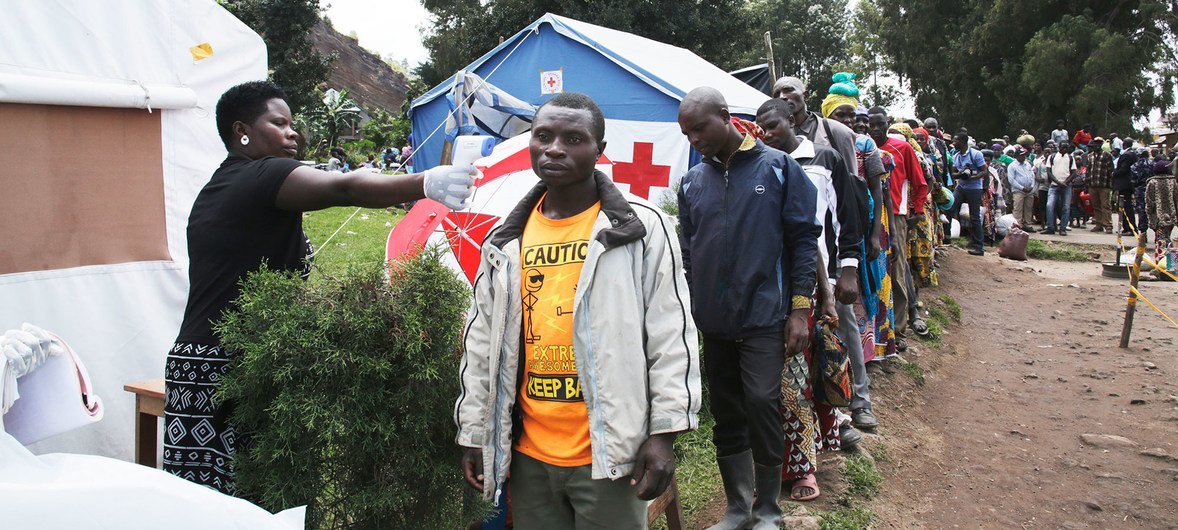
Uganda’s containment strategy heavily prioritized bilateral defense. Recognizing that the outbreak remains intrinsically linked to a larger, more volatile epidemic in the DRC—where the WHO reported 896 confirmed cases and 232 deaths—Uganda extended its frontline into neighboring territory.
Regional Outbreak Comparison (Mid-Year Epidemic Update)
┌───────────────────────────┬──────────────┬──────────────┐
│ Metric                    │ Uganda       │ DR Congo     │
├───────────────────────────┼──────────────┼──────────────┤
│ Confirmed Cases           │ 20           │ 896          │
├───────────────────────────┼──────────────┼──────────────┤
│ Reported Fatalities       │ 2            │ 232          │
├───────────────────────────┼──────────────┼──────────────┤
│ Regional Risk Assessment  │ Controlled   │ High/Evolving│
└───────────────────────────┴──────────────┴──────────────┘
The Ugandan government deployed specialized medical personnel, established two mobile diagnostic laboratories, and sent logistical support directly into eastern Congo to suppress the virus at its source.
While the WHO classified the regional risk for border communities, transit corridors, and local mining sectors as high due to fluid cross-border migration, it evaluated the risk to the rest of the African continent and international destinations as low.
Limitations, Caveats, and the Risk of Resurgence
Despite the optimistic declarations from Kampala, global health experts urge guarded optimism. The primary limitation of declaring an outbreak “contained” is the persistent threat of surveillance gaps.
Because the Ebola virus possesses an incubation period of up to 21 days, a single unmonitored contact or a misclassified febrile illness can quietly reignite a chain of transmission. The complex humanitarian environment and infrastructure challenges in the eastern DRC further complicate sustained monitoring.
Public health teams must maintain active border screening, preserve safe and dignified burial protocols, and keep rapid-isolation wards fully operational for the foreseeable future. Containment is an ongoing action, not a permanent status.
What This Means for Communities and Travelers
For health-conscious citizens and international travelers, the successful containment in Uganda underscores the efficacy of modern epidemiological tracking. Daily life, public gatherings, and commercial transit do not carry the high-risk profiles associated with airborne pandemics.
For the General Public:
-
Vigilance Over Panic: Individuals traveling near or returning from border zones should monitor their health for exactly 21 days.
-
Symptom Awareness: Immediate medical evaluation is required if someone experiences a sudden onset of fever, profound weakness, vomiting, diarrhea, or unexplained bruising.
-
Basic Hygiene: Avoiding contact with any bodily fluids or objects touched by an ailing person remains the definitive preventative measure.
For Healthcare Workers:
-
Clinical Defense: Frontline clinicians must maintain strict adherence to infection prevention and control (IPC) protocols.
-
Barrier Precautions: The rigorous use of Personal Protective Equipment (PPE) and rapid isolation of any patient presenting with suspicious travel history are vital to keeping healthcare facilities safe.
Uganda’s rapid suppression of the virus demonstrates that robust monitoring and swift, transparent reporting remain the definitive path to halting deadly pathogens before they cross international borders.
References
- https://ddindia.co.in/2026/07/uganda-says-ebola-outbreak-contained-moves-to-end-travel-curbs/
Medical Disclaimer: This article is for informational purposes only and should not be considered medical advice. Always consult with qualified healthcare professionals before making any health-related decisions or changes to your treatment plan. The information presented here is based on current research and expert opinions, which may evolve as new evidence emerges.