 0
0
 0
0
February 24, 2026
In the intensifying global race to develop the next generation of obesity treatments, Novo Nordisk’s highly anticipated combination therapy, CagriSema, has demonstrated significant weight loss results in its latest late-stage clinical trial. However, despite achieving a 23% reduction in body weight over 84 weeks, the drug fell short of outperforming its primary competitor, Eli Lilly’s tirzepatide (marketed as Mounjaro and Zepbound), which maintains its position as the current gold standard for weight loss efficacy.
The results from the REDEFINE 4 trial, announced by Novo Nordisk, mark a pivotal moment in the “weight loss wars.” While the trial failed to meet its primary endpoint of demonstrating “non-inferiority”—meaning it did not prove to be at least as effective as tirzepatide—the data underscores the potent impact of combining different hormonal pathways to treat obesity.
Understanding the Dual-Action Mechanism: What is CagriSema?
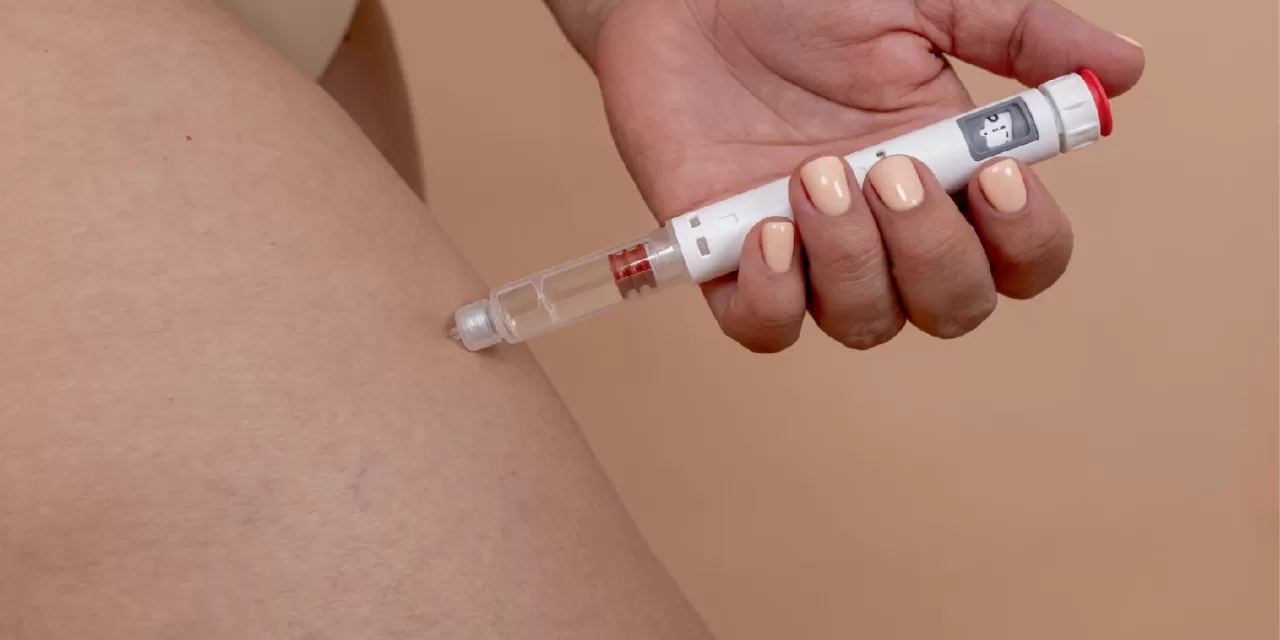
CagriSema is not a single-molecule drug but a “fixed-dose combination” that pairs two different therapeutic agents into one weekly subcutaneous injection:
-
Semaglutide (2.4 mg): The active ingredient in Wegovy and Ozempic, which mimics the GLP-1 (glucagon-like peptide-1) hormone. It targets brain centers that regulate appetite and slows stomach emptying.
-
Cagrilintide (2.4 mg): A long-acting analogue of amylin, a hormone co-secreted with insulin. Amylin also signals fullness (satiety) to the brain but through a different pathway than GLP-1.
By attacking hunger from two different biological angles, Novo Nordisk hoped to create a “synergistic” effect that would surpass the results of semaglutide alone.
The REDEFINE 4 Trial: By the Numbers
The REDEFINE 4 study was an 84-week, “open-label” trial—meaning both the researchers and the 809 participants knew which medication they were receiving. The participants all lived with obesity (averaging a baseline weight of 114.2 kg / 251.7 lbs) and at least one weight-related health condition, such as high blood pressure or high cholesterol.
The study compared CagriSema against the maximum dose (15 mg) of Eli Lilly’s tirzepatide. The results were analyzed using two different statistical lenses:
1. The “Trial Objective” (Adherence)
For participants who strictly adhered to the treatment protocol for the full 84 weeks:
-
CagriSema: 23.0% weight loss.
-
Tirzepatide: 25.5% weight loss.
2. The “Real-World” Analysis (Regardless of Adherence)
When accounting for all participants, including those who may have missed doses or stopped treatment early:
-
CagriSema: 20.2% weight loss.
-
Tirzepatide: 23.6% weight loss.
While a 23% weight loss is clinically transformative—far exceeding the roughly 15% typically seen with semaglutide alone—it was not enough to bridge the gap with tirzepatide’s dual GLP-1/GIP (glucose-dependent insulinotropic polypeptide) receptor agonism.
Expert Perspectives: A “Win” for Patients, if Not for the Leaderboard
Despite the “miss” on the primary endpoint, medical experts suggest that the data is still a victory for public health.
“In the context of obesity medicine, a 23% weight loss is an incredible achievement,” says Dr. Elena Rodriguez, a metabolic specialist not involved in the study. “A few years ago, we considered 10% a major success. While it didn’t beat tirzepatide, CagriSema offers another powerful tool for patients who may not tolerate other medications or who need a different hormonal approach.”
Martin Holst Lange, Executive Vice President of R&D at Novo Nordisk, echoed this optimism, noting that the trial proves cagrilintide adds “clinically meaningful additive weight loss effects” beyond what GLP-1 therapy can do alone.
Safety and Side Effects
As with most incretin-based therapies, the most common side effects reported in the REDEFINE 4 trial were gastrointestinal. These included:
-
Nausea
-
Diarrhea
-
Vomiting
-
Constipation
According to Novo Nordisk, the majority of these events were mild to moderate and tended to decrease as the body adjusted to the medication over time. The safety profile of CagriSema appeared consistent with what has been observed in previous trials for semaglutide.
Limitations and Looking Ahead
The “open-label” nature of the trial is a notable limitation, as participant awareness of which drug they are taking can sometimes influence behavior or reporting. Additionally, the trial’s failure to meet non-inferiority suggests that for patients whose primary goal is the absolute maximum weight loss percentage currently possible, tirzepatide remains the leading option.
However, the REDEFINE program is broad. Novo Nordisk is also investigating CagriSema’s efficacy in treating Type 2 diabetes through its REIMAGINE program. For many clinicians, the choice between these drugs may eventually come down to factors like insurance coverage, individual tolerance for side effects, and secondary health benefits rather than just the number on the scale.
For the millions of people living with obesity, the “silver medal” for CagriSema is still a significant leap forward in the medical management of a chronic, complex disease.
References
Medical Disclaimer: This article is for informational purposes only and should not be considered medical advice. Always consult with qualified healthcare professionals before making any health-related decisions or changes to your treatment plan. The information presented here is based on current research and expert opinions, which may evolve as new evidence emerges.