 0
0
 0
0
February 24, 2026
INDIANAPOLIS — In a move set to reshape the landscape of chronic weight management, Eli Lilly and Company announced on February 23, 2026, that the U.S. Food and Drug Administration (FDA) has approved a label expansion for its blockbuster medication, Zepbound (tirzepatide). The approval introduces the Zepbound KwikPen, a multi-dose delivery device that consolidates a full month’s treatment into a single pen. Available immediately via the LillyDirect platform for self-pay patients, this launch addresses a critical barrier in the obesity market: the logistical complexity of managing weekly injections.
As the U.S. continues to grapple with an adult obesity rate of 42%, the introduction of the KwikPen marks a tactical shift from single-use autoinjectors to streamlined, multi-use technology. With Zepbound already leading the market in prescriptions as of 2025, this hardware upgrade aims to solidify Lilly’s dominant position over competitors like Novo Nordisk’s Wegovy.
Streamlining the Dose: How the KwikPen Works
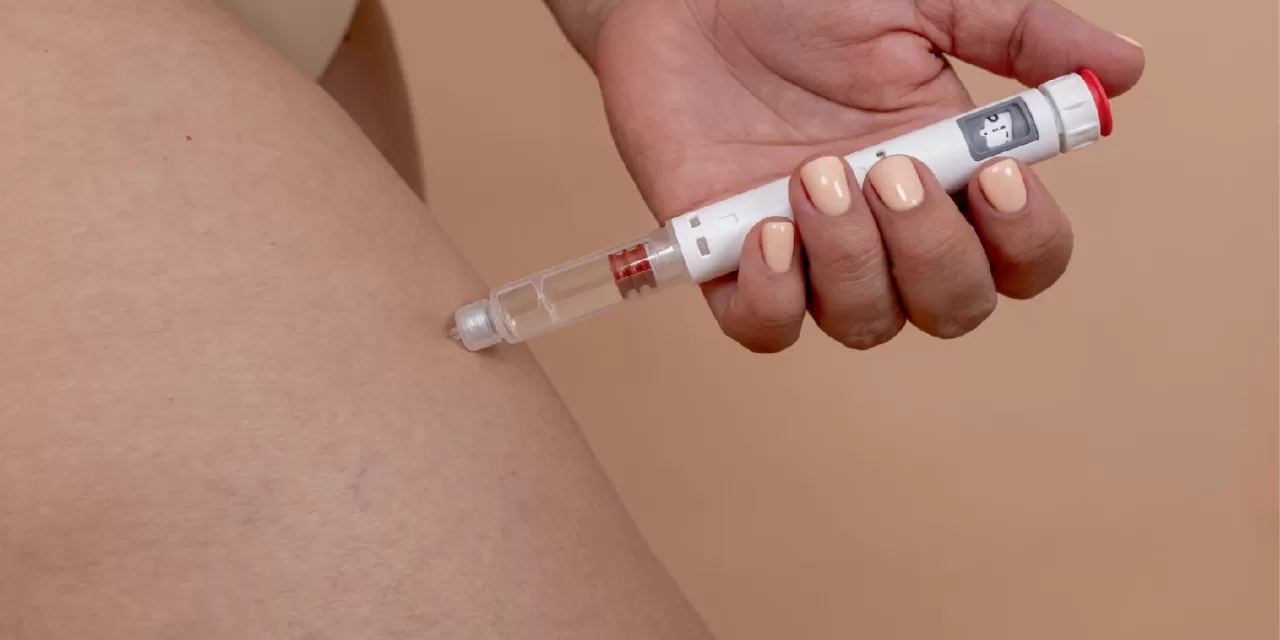
For years, patients on GLP-1 therapies have navigated a “one-and-done” system, requiring four separate autoinjectors or vials every month. The Zepbound KwikPen changes that math. The device is pre-filled with four doses, allowing patients to dial their specific strength and inject once weekly for four weeks before disposing of the device.
The KwikPen will be available in all six standard Zepbound dosages:
-
Starting doses: 2.5 mg and 5 mg
-
Mid-range doses: 7.5 mg and 10 mg
-
High-strength doses: 12.5 mg and 15 mg
“We’re expanding choice so patients and providers can select what best fits their needs,” said Ilya Yuffa, president of Lilly USA and Global Customer Capabilities. By utilizing the same delivery technology already proven successful with Mounjaro (Lilly’s tirzepatide-based diabetes medication) in international markets like the UK and Canada, the company is betting on a seamless transition for U.S. users.
The Pricing Factor
Significantly, Lilly has priced the KwikPen to match its vial formats for cash-paying patients. The starting 2.5 mg dose is available for $299 per month via LillyDirect. This flat-rate strategy is designed to offer a “hassle-free” entry point for those whose insurance may not yet cover anti-obesity medications (AOMs), though coverage is expanding—notably with Medicare beginning to include AOMs in April 2026.
Why Mechanism Matters: The Dual-Agonist Edge
While the delivery device is the news of the day, the medicine inside remains the primary driver of Zepbound’s clinical success. Tirzepatide is a dual agonist, meaning it mimics two naturally occurring hormones in the body: GLP-1 (glucagon-like peptide-1) and GIP (glucose-dependent insulinotropic polypeptide).
“Tirzepatide’s dual mechanism mimics gut hormones to curb appetite and regulate blood sugar,” explains Dr. Robert Kushner, an endocrinologist at Northwestern University Feinberg School of Medicine, who was not involved in the drug’s development. “This synergy explains its clinical edge over single-agonist drugs like semaglutide.”
In the landmark SURMOUNT phase 3 clinical trials, which included over 2,500 participants, Zepbound helped patients achieve an average of 21% to 22.5% body weight loss when paired with diet and exercise. This performance propelled Zepbound to become the most prescribed weight management medication in the U.S. in 2025, with Q4 sales alone reaching $4 billion.
Expert Insights: Improving Patient Adherence
Beyond the chemistry, medical experts see the KwikPen as a solution to “treatment fatigue.” Research into GLP-1 therapies has shown that dropout rates can exceed 50% after just six months, often due to the perceived burden of treatment.
“This multi-dose pen represents a significant step forward in patient-centered care,” says Dr. Fatima Cody Stanford, an obesity medicine specialist at Massachusetts General Hospital. “Reducing the hassle of managing multiple devices can potentially improve long-term adherence. When the process is simplified, patients are more likely to stay the course, which is essential for sustaining weight loss.”
However, Dr. Kushner offers a note of caution: “The pen simplifies the process, but it doesn’t eliminate the need for weekly injections. Real-world adherence remains the key challenge.”
Public Health and the “Needle-Hesitant”
The implications for public health are substantial. With approximately 100 million U.S. adults living with obesity, the CDC estimates that related conditions—such as Type 2 diabetes and cardiovascular disease—cost the healthcare system $173 billion annually.
By making administration less intimidating for “needle-hesitant” individuals, the KwikPen may broaden the reach of the drug to underserved populations. Furthermore, the simplified logistics of shipping and storing one pen instead of four injectors could eventually aid distribution in lower-resource areas.
Practical Takeaways for Readers:
-
Eligibility: Zepbound is indicated for adults with a BMI of 30 or greater, or 27 or greater with at least one weight-related condition (e.g., hypertension).
-
Side Effect Management: Nausea affects 20–30% of patients initially. Experts recommend starting at the lowest dose and increasing slowly.
-
Not a “Quick Fix”: The FDA emphasizes that Zepbound is for chronic weight management, not cosmetic use.
Limitations and the Road Ahead
Despite the enthusiasm, tirzepatide is not a “magic bullet.” Clinical data suggests that weight regain of 10–15% is common if the medication is discontinued without permanent lifestyle changes.
Potential Drawbacks:
-
Side Effects: Gastrointestinal issues, including diarrhea and vomiting, affect roughly 25% of users.
-
Rare Risks: There are rare risks of pancreatitis and gallbladder problems. While rodent studies showed a risk of thyroid C-cell tumors, human data is currently pending and inconclusive.
-
Supply Issues: While Lilly reports that supply chains have stabilized after the 2024 shortages, the sheer volume of demand continues to test manufacturing limits.
Critics also point out that pharmaceutical interventions, while effective, do not address the systemic causes of the obesity epidemic. “Over-reliance on drugs sidesteps the need for systemic fixes like improved food policy and urban design,” argues Dr. Arya Sharma, a prominent obesity researcher.
As the industry looks toward the second half of 2026, the horizon is already shifting again. Ongoing trials for oral alternatives, such as orforglipron, suggest that the “needle-free” era of obesity treatment may be just months away. For now, however, the Zepbound KwikPen stands as the most modern iteration of a treatment that has already changed millions of lives.
Medical Disclaimer
This article is for informational purposes only and should not be considered medical advice. Always consult with qualified healthcare professionals before making any health-related decisions or changes to your treatment plan. The information presented here is based on current research and expert opinions, which may evolve as new evidence emerges.
References