 0
0
 0
0
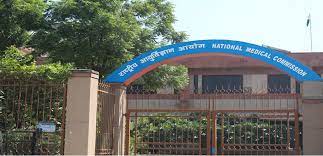
NEW DELHI – In a move that signals a significant crackdown on regulatory “grey zones” within India’s medical education system, the National Medical Commission (NMC) has issued a stern advisory declaring that postgraduate (PG) training and teaching experience obtained from unrecognized departments will no longer be valid for any academic or professional purpose.
The directive, issued by the Post Graduate Medical Education Board (PGMEB) on April 9, 2026, and circulated nationally on April 10, strips away the validity of experience certificates issued by departments or units not formally permitted by the Commission. The mandate affects thousands of medical professionals, impacting everything from eligibility for PG examinations to faculty promotions and appointments.
The Directive: Closing the “Backdoor” to Career Advancement
The NMC has observed a growing trend where institutions and faculty members claimed teaching or training experience based on units that lacked official recognition. To address this, the new advisory (No. NMC-23(1)(161)/2022/Med/PG) provides a clear ultimatum to health universities, State Directorates of Medical Education, and medical college heads: strict compliance is mandatory.
Under the new rules, any experience gained in a department without NMC-approved infrastructure, faculty strength, or permitted PG seats will be disregarded for:
-
Examination Eligibility: Residents cannot use this time to qualify for PG exams.
-
Faculty Progression: Such experience will not count toward becoming a recognized PG teacher or guide.
-
Promotions: Years spent in unrecognized units will be struck from records during considerations for Associate or Assistant Professor roles.
“This is about data integrity and educational standards,” says Dr. Rajesh Kumar, a medical education consultant not affiliated with the NMC. “For years, some colleges operated ‘functional’ departments that hadn’t cleared the final regulatory hurdles. This advisory effectively tells the community that ‘functional’ is not the same as ‘recognized.'”
Regulatory Backbone: Aligning 2023 and 2025 Frameworks
This advisory does not exist in a vacuum. It serves as the enforcement arm for two pillar regulations: the Postgraduate Medical Education Regulations (PGMER) 2023 and the Medical Institutions (Qualifications of Faculty) Regulations, 2025.
The 2025 regulations were designed to expand India’s faculty pool—allowing senior consultants from large government hospitals to transition into teaching roles—but they explicitly require that such experience comes from “appropriately accredited” institutions. By invalidating experience from unrecognized units, the NMC is ensuring that while the pathways to becoming a teacher are widening, the gatekeeping remains rigorous.
Key Compliance Requirements
| Stakeholder | Responsibility |
| Medical Colleges | Must verify NMC recognition status before issuing any experience certificates. |
| Universities | Must cross-reference department status during the affiliation and exam-filing process. |
| Faculty/Residents | Must ensure their assigned unit is listed on the official NMC portal. |
Expert Perspectives: Quality vs. Capacity
The medical community is currently divided on the immediate impact of the move. While the intent is to protect the quality of specialist training, the timing has raised concerns regarding existing faculty shortages.
A senior official at the University of Health Sciences in Rohtak, speaking to The Tribune, noted that the move “helps protect students and patients by ensuring that teachers are trained in environments that meet national standards.” Standardizing the environment ensures that a PG resident is exposed to a sufficient patient caseload and specific diagnostic infrastructure—elements that unrecognized departments may lack.
However, the Indian Medical Association (IMA) has previously voiced concerns that rigid adherence to these standards, without addressing the bureaucratic delays in the recognition process, could stagnate career progression for honest clinicians working in transitioning government hospitals.
Implications for Public Health and Patient Care
While the advisory may seem like “inside baseball” for academics, its implications for public health are profound. Medical education quality is directly proportional to patient safety.
By ensuring that specialists are only trained in recognized departments, the NMC is guaranteeing that:
-
Standardized Training: Every specialist has met a baseline of clinical exposure.
-
Infrastructure Checks: Training occurs only where life-saving equipment and modern protocols are verified to exist.
-
Accountability: If a department fails to meet standards, it cannot produce the next generation of doctors until it improves.
“For the average patient, this means the ‘specialist’ title carries more weight,” explains Dr. Ananya Seth, a healthcare policy analyst. “It minimizes the risk of a doctor being trained in a ‘ghost department’ that exists only on paper.”
Potential Challenges and “Grey Areas”
Despite the clarity of the advisory, legal experts anticipate a wave of “legacy cases.” The NMC has not explicitly stated if this will be applied retrospectively. If a professor secured a promotion three years ago based on experience in a then-unrecognized unit, will that promotion be revoked?
Furthermore, there is the “recognition lag.” Many government hospitals are currently transitioning into teaching institutions. Clinicians in these units often perform the work of teaching faculty for months or years before the paperwork is finalized. Under this advisory, that period of service may be rendered professionally “invisible.”
Checklist for Medical Professionals
In light of this advisory, trainees and faculty are urged to take the following steps:
-
Verify Status: Check the NMC Portal to confirm your department’s recognition status.
-
Document Rotations: Maintain a meticulous log of work performed specifically in recognized units.
-
Seek Clarification: If assigned to a new or “transitional” department, request written confirmation of its regulatory status from the Dean or Principal.
Medical Disclaimer: This article is for informational purposes only and should not be considered medical advice. Always consult with qualified healthcare professionals before making any health-related decisions or changes to your treatment plan. The information presented here is based on current research and expert opinions, which may evolve as new evidence emerges.
References
- https://medicaldialogues.in/health-news/nmc/pg-training-teaching-experience-from-unrecognised-departments-invalid-nmc-168437