 0
0
 0
0
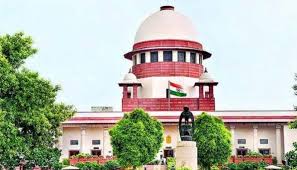
New Delhi, February 5, 2026: India’s Supreme Court has issued notices to the National Board of Examinations in Medical Sciences (NBEMS), National Medical Commission (NMC), and Union government on a public interest litigation (PIL) contesting the drastic reduction of NEET PG 2025 qualifying cutoffs, including to negative percentiles. The bench of Justices Pamidighantam Sri Narasimha and Alok Aradhe will hear the case on February 6, 2026, spotlighting tensions between filling vacant seats and upholding medical education standards.
NBEMS Cutoff Reduction Details
On January 13, 2026, NBEMS lowered NEET PG 2025-26 qualifying percentiles for the third counselling round to address unfilled seats after two rounds. General/EWS categories now require the 7th percentile (score of 103 out of 800), General-PwBD the 5th percentile (90 marks), and SC/ST/OBC (including PwBD) the 0th percentile (-40 marks). This marks a sharp drop from standard 50th, 45th, and 40th percentiles, driven by Ministry of Health directives to optimize seat use amid doctor shortages. Ranks remain unchanged; the tweak only expands counselling eligibility.
Background: Surging Vacancies in PG Medical Seats
India boasts over 52,000 MD/MS/PG Diploma seats for 2025-26, with recent NMC approvals adding 2,300+. Yet, post two counselling rounds, 18,000+ seats lingered vacant—up from 11,000 after round one—especially in states like Maharashtra (40% vacancy), Karnataka (31%), and Tamil Nadu (28%). Officials cite high initial cutoffs, exam delays, and candidate preferences for clinical branches or better stipends as causes, warning that idle seats weaken teaching hospitals reliant on PG residents. Past years saw similar adjustments: 2024 cutoffs hit zero across categories, 2022 dropped to 35th/20th percentiles.
Petitioners’ Core Arguments
Led by United Doctors Front (UDF) National President Dr. Lakshya Mittal, the PIL—filed under Article 32 via advocates Satyam Singh Rajput and others—calls the move “arbitrary and unprecedented,” violating Articles 14 (equality) and 21 (right to life). Petitioners argue negative scores (-40 from negative marking) threaten patient safety, erode meritocracy, and defy NMC Act 2019 mandates for minimum standards in PG education. They seek to quash the notification and restore benchmarks, claiming it favors private colleges filling seats at high fees over quality.
Medical Fraternity’s Fierce Backlash
Resident doctors’ groups like FORDA and FAIMA slammed the decision as a “blow to meritocracy” and “direct threat to public health.” FORDA President Dr. Devaunshi Kaul and General Secretary Dr. Meet Ghonia stated: “Diluting standards without data or consultation risks compromising future healthcare and erodes public trust… This disproportionately favors private institutions prioritizing profit.” FAIMA threatened nationwide protests, noting: “Allowing negative marks for PG training cannot be justified ethically and poses risks to vulnerable patients in government hospitals.” Senior doctors echoed fears of diluted specialist quality impacting poor patients most.
Government and Defenders’ Rationale
NBEMS and health officials defend the revision as pragmatic, not rank-altering, to prevent wasting 9,000-18,000 seats amid acute doctor needs. A senior official noted: “You can’t afford to let PG seats go to waste… The focus is filling seats late in the cycle without losing resources.” Proponents argue it aids marginal candidates, boosts specialist numbers, and aligns with past adjustments without proven quality drops; private college leaders add non-clinical seats often go vacant anyway. Polls show mixed views: 60% fear quality erosion, 31% see reduced competition benefits.
Public Health Stakes and Long-Term Ramifications
With India facing specialist shortages, filling seats could expand the workforce, but critics warn subpar trainees might strain healthcare, especially in public facilities serving the underserved. The NMC Act emphasizes infrastructure, faculty, and exam standards to ensure competent doctors. For aspirants, it offers late chances but demoralizes toppers; patients deserve merit-based care. Diverse experts urge data-driven reforms like better faculty training over cutoffs. The Supreme Court’s ruling could set precedents for balancing access and excellence.
Potential Limitations and Broader Perspectives
While vacancies are real, detractors question if low cutoffs truly fill clinical seats or just non-clinical ones in private setups. No evidence yet links past reductions to worse outcomes, and ranks preserve relative merit in allotments. Some suggest scholarships for merit over dilutions. The PIL overlooks exam toughness or migration trends fueling vacancies.
Medical Disclaimer: This article is for informational purposes only and should not be considered medical advice. Always consult with qualified healthcare professionals before making any health-related decisions or changes to your treatment plan. The information presented here is based on current research and expert opinions, which may evolve as new evidence emerges.
References
-
Medical Dialogues. (2026, February 4). Supreme Court issues notice to NBE, NMC on plea challenging NEET PG 2025 reduced cutoff. https://medicaldialogues.in/news/education/supreme-court-issues-notice-to-nbe-nmc-on-plea-challenging-neet-pg-2025-reduced-cutoff-163939