 0
0
 0
0
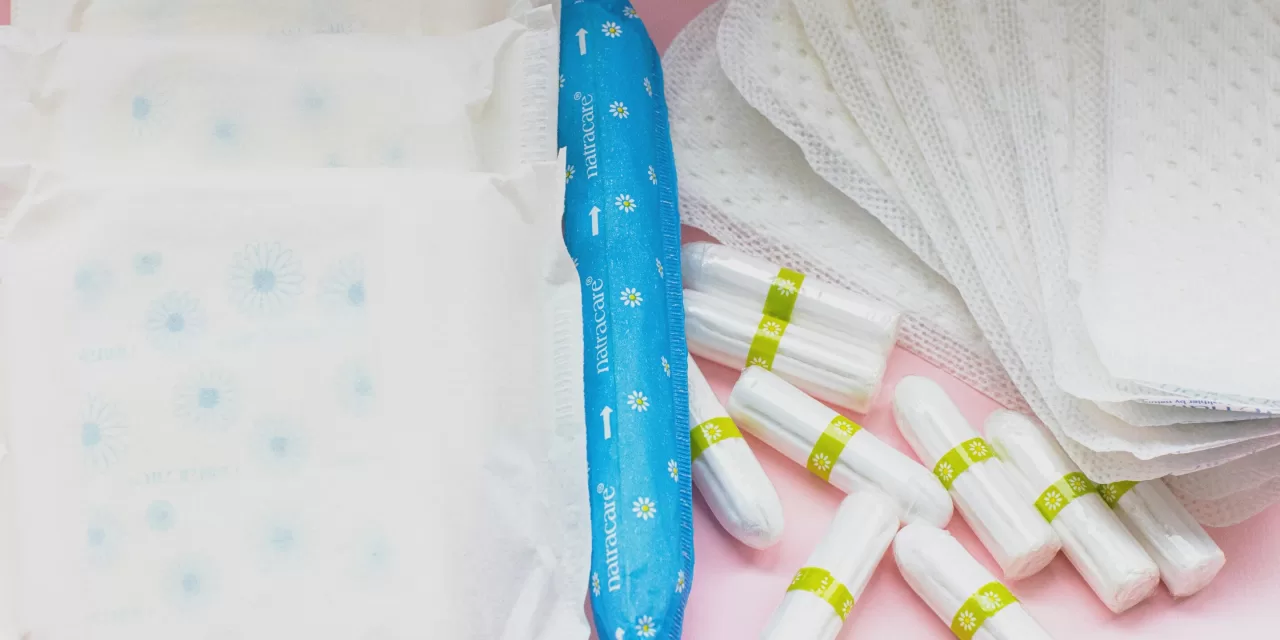
New Delhi, May 28, 2026 — A groundbreaking new national survey reveals that 92% of women in India believe sanitary pads should be recognized as an essential item in public washrooms, comparable to standard utilities like urinals, running water, and hand dryers. The findings, released just ahead of global Menstrual Hygiene Day, underscore a critical gap in India’s urban public infrastructure and highlight rapidly growing demands for menstrual equity across the country.
The data surfaces at a transformative moment for judicial and reproductive rights in India, arriving only months after a landmark Supreme Court ruling categorized access to menstrual hygiene as a fundamental right under the Indian Constitution.
Driving Infrastructure Demands
The eleventh annual Everteen Menstrual Hygiene Survey pooled responses from over 2,100 women across multiple states and Union Territories, targeting a demographic primarily aged between 19 and 35. The metrics express an overwhelming consensus regarding the standardizing of menstrual product accessibility.
| Survey Metric Evaluated | Percentage in Agreement |
| Demand sanitary pads as a basic facility in public washrooms | 92% |
| Link a lack of public pads to deeper systemic societal stigma | 86% |
| Demand product availability across all universal public venues | 87% |
| Explicitly demand dedicated menstrual products inside school premises | 87% |
| Experienced minimal or zero functional knowledge prior to menarche | 35% |
The data highlights a severe psychological toll: nearly 80% of respondents stated they felt acute discomfort or anxiety when forced to change a menstrual product inside a standard public restroom due to compromised sanitation or missing supplies.
A Landmark Constitutional Mandate
This massive public demand follows close on the heels of major legal interventions. In January 2026, the Supreme Court of India issued a path-breaking verdict placing menstrual health explicitly under the umbrella of Article 21 of the Constitution (the Right to Life and Personal Dignity). The bench directed all state governments and Union Territories to provide free, biodegradable sanitary napkins to female students across Classes 6 to 12 in both public and private schools.
Advocate Varun Thakur, legal counsel for the petitioner in the case, emphasized the legal weight of the decision:
“This is a historic, definitive verdict. The Court has granted states and Union Territories a strict three-month timeline to submit baseline compliance records. Schools failing to meet these basic hygiene parameters face swift derecognition.”
Responding to the ruling, the Central Board of Secondary Education (CBSE) has structured formal directives mandating built-in menstrual hygiene management complexes across all affiliated campuses nationwide.
The Public Health Matrix: Infection Risks and Stigma
From a medical standpoint, period dignity is a preventative health absolute rather than a simple logistical convenience. Poor access to clean products frequently correlates with clinical complications.
A hospital-based case-control study conducted within India established that women utilizing regulated disposable pads exhibited significantly lower clinical incidences of bacterial vaginosis and complex urinary tract infections (UTIs) compared to individuals relying on poorly maintained, non-sterile reusable absorbent materials (Adjusted Odds Ratio = 2.8, 95% Confidence Interval [1.7–4.5]).
According to peer-reviewed data published via the National Institutes of Health (NIH) repository:
“Substandard menstrual management patterns manifest severe physical health vulnerabilities while multiplying psychological burdens. The systemic absence of functional infrastructure leaves individuals feeling isolated or ashamed, directly linking natural biological cycles to negative mental health trends.”
Global data tracking mirrors this structural deficit. A Joint Monitoring Programme report from the World Health Organization (WHO) and UNICEF revealed that only 31% of schools worldwide feature specialized waste bins for disposing of menstrual materials inside female washrooms. In Least Developed Countries (LDCs), that baseline figure plummets to just 17%.
Dissecting Period Poverty: Progress vs. Persistent Gaps
Period poverty—defined as a combination of inadequate access to menstrual products, insufficient reproductive health education, and lacking sanitation infrastructure—continues to affect an estimated 500 million individuals globally.
Domestically, statistical trends indicate clear upward progress alongside stubborn disparities. Data from the National Family Health Survey-5 (NFHS-5) demonstrates that the percentage of young Indian women (aged 15–24) utilizing hygienic methods during menstruation rose substantially to 77.3%, up from 57.6% recorded during NFHS-4.
NFHS-4 Baseline Usage: [███████████░░░░░] 57.6%
NFHS-5 Recorded Progress: [███████████████░] 77.3%
To support this trajectory, the government’s Pradhan Mantri Bharatiya Janaushadhi Pariyojana network has set up more than 16,000 localized Jan Aushadhi centers. These outlets distribute ‘Suvidha’ oxo-biodegradable sanitary napkins at a heavily subsidized price point of ₹1 per pad. Cumulative distribution volume crossed 96.30 crore units by late 2025.
Overcoming the Social Barrier
Societal frameworks present another distinct hurdle. While government programs tackle structural supply lines, the survey noted that 86% of participants associate structural infrastructure gaps with legacy social stigmas.
Interestingly, comparative survey trendlines point toward slow cultural adjustments. For example, historical data from the 9th Everteen Survey indicated that 52.2% of educated, urban men had never personally purchased a menstrual hygiene item for their partner. However, in recent tracking, up to 65% of male demographics explicitly call for formalized, co-educational menstrual health campaigns.
Practical Action Strategies for Consumers
While large-scale institutional frameworks shift to comply with legal baselines, health professionals advise individuals to prioritize localized safety and preparedness strategies:
-
Assemble Travel Packs: Maintain an emergency personal kit containing clean sanitary items, sanitizing wipes, and securely sealable disposal bags.
-
Pre-Map Restrooms: Identify reliable public utility networks, major corporate retail hubs, or transit stations featuring clean, well-reviewed restroom facilities during travel.
-
Corporate Advocacy: Request that human resource managers or workplace administrative bodies install automated product dispensers within employee common areas.
-
Support Verified Labels: Direct purchasing power toward enterprises that proactively sponsor civic restroom clean-up drives or donate products to under-resourced schools.
Analytical Limitations & Counterarguments
While the survey registers an undeniable demand for progress, distinct systemic realities warrant close journalistic scrutiny:
-
Logistical Friction: Public health policy analysts note that provisioning millions of restrooms with continuous, unmanaged supplies introduces immense supply-chain and structural waste challenges if proper disposal infrastructure isn’t scaled in parallel.
-
Urban Demographic Biases: Because the core sample was gathered predominantly from literate, urban-dwelling participants between the ages of 19 and 35, the resulting percentages may not thoroughly capture the ground-level priorities or specific taboos encountered by aging or rural demographics.
The Path Forward
The alignment of explicit public demand, clear judicial intervention, and expanding public-sector programs suggests India is reaching a major turning point for menstrual equity.
Public health experts stress that infrastructure must always be accompanied by community awareness. “A comprehensive educational component remains mandatory to ensure structural changes translate into improved, lasting physical health outcomes,” points out Dr. Sunanda G., an Obstetrician-Gynecologist and former National Professional Officer at the World Health Organization.
As India moves forward, the primary challenge transitions from establishing legal rights to executing structural upgrades—ensuring that every public restroom honors basic human dignity.
References
https://theshillongtimes.com/2026/05/28/survey-finds-92-women-want-sanitary-pads-in-public-washrooms/
Medical Disclaimer: This article is for informational purposes only and should not be considered medical advice. Always consult with qualified healthcare professionals before making any health-related decisions or changes to your treatment plan. The information presented here is based on current research and expert opinions, which may evolve as new evidence emerges.