 0
0
 0
0
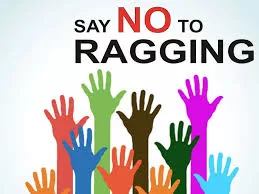
GORAKHPUR, Uttar Pradesh — The National Medical Commission (NMC) has intervened in India’s medical education sector by ordering immediate, stringent action against senior undergraduate students at Baba Raghav Das (BRD) Medical College. The directive follows grave allegations of systematic ragging levied by first-year MBBS students against approximately 15 seniors from the 2022–2024 batches.
The investigation was triggered by an anonymous whistleblower email sent directly to the apex medical regulator. The alert has renewed national scrutiny on the persistent crisis of campus harassment and its cascading effects on student mental health and public healthcare safety.
The Complaint: Daily Harassment Inside Rajendra Hostel
According to official documents, the complaint—which was simultaneously copied to the University Grants Commission (UGC)—outlines a toxic environment within Rajendra Hostel, the residential facility housing the MBBS 2025 batch. First-year medical students detailed a pattern of daily emotional, physical, and psychological misconduct.
The specific behaviors reported to the NMC include:
-
Verbal Abuse: The routine use of inflammatory language, explicit profanity, and deeply demeaning remarks aimed at eroding freshers’ self-confidence.
-
Sexual Harassment: Forced participation in highly inappropriate, sexually explicit conversations directed at junior students by their seniors.
-
Physical Humiliation: Forcing junior students to maintain exhausting, uncomfortable physical positions for hours at a time.
-
Intimidation and Encroachment: Direct threats of professional and physical retaliation, compounded by seniors making unauthorized, daily entries into the junior residential wings.
In response to the NMC’s mandate, BRD Medical College Principal Dr. Ramkumar Jaiswal convened an emergency meeting of the institutional Anti-Ragging Committee to initiate a comprehensive internal investigation and coordinate potential legal actions against the accused.
Medical Colleges: The Disproportionate Hotspots of Campus Abuse
The unfolding situation at BRD Medical College is emblematic of a broader, systemic pathology within Indian medical education. Data compiled by the Society Against Violence in Education (SAVE), a non-profit organization dedicated to eradicating campus harassment, reveals a stark disparity: while medical students constitute just 1.1% of total higher education enrollment in India, they bear a disproportionate burden of institutional abuse.
| Statistical Reality of Ragging in India (2022–2024) | Impact Metrics |
| Medical Sector Proportion of National Complaints | 38.6% of all recorded incidents |
| Proportion of Ragging-Related Deaths | 45.1% occurred in medical institutions |
| Total Lives Lost Nationwide (2022–2024) | 51 student fatalities |
| NMC Oversight Sector Share | >53% of all complaints (2022–2025) |
The psychological toll of these environments was laid bare in a cross-disciplinary study published in the Journal of Research in Medical Colleges. The researchers found that an overwhelming 94.5% of surveyed students reported experiencing some form of initiation abuse, with 46.7% characterizing it as a deeply negative life event. Crucially, the study highlighted a severe underreporting crisis: 58.5% of students deemed existing anti-ragging policies ineffective, and only 17.3% ever lodged formal complaints.
The Psychological Toll and Public Health Implications
For health-conscious consumers and healthcare professionals alike, the implications of these findings extend far beyond campus borders. The trauma of institutional harassment fundamentally alters the development of future physicians.
“Ragging inflicts profound psychological trauma that spans an acute-to-chronic spectrum,” explains Dr. Anita Sharma, a clinical psychologist specializing in adolescent mental health at the All India Institute of Medical Sciences (AIIMS), New Delhi, who is not involved in the case. “Students endure humiliation and forced isolation precisely when they are navigating an intense academic transition. This frequently manifests as immediate panic disorders and severe anxiety, which can evolve into long-term clinical depression and Post-Traumatic Stress Disorder (PTSD).”
From a public health perspective, this cycle of trauma directly threatens patient care quality. When medical trainees are socialized in environments defined by fear, intimidation, and survival, their capacity for clinical empathy can be severely compromised.
Dr. Rajesh Kumar, a senior psychiatrist at King George’s Medical University (KGMU) in Lucknow, who is also independent of the investigation, emphasizes the systemic risk to the healthcare ecosystem:
“Medical professionals who experience or witness systematic harassment during their formative training years frequently struggle with emotional regulation and professional boundaries later in life. This creates a cyclical hazard. Traumatized students risk transitioning into either highly cynical or emotionally detached practitioners, which ultimately compromises patient safety, clinical communication, and overall healthcare quality.”
Regulatory Framework and Institutional Precedents
The NMC’s Prevention and Prohibition of Ragging in Medical Colleges and Institutions Regulations, 2021 legally define ragging as any disorderly conduct that causes psychological harm, raises fear, or systematically targets a student’s self-confidence. Under these stringent guidelines, institutional punishments are severe, ranging from immediate suspension and hostel expulsion to financial penalties between ₹25,000 and ₹1 lakh, and the outright cancellation of medical admission.
This is not the first disciplinary crisis at BRD Medical College. In November 2024, seven senior students from the 2023 batch were handed three-month suspensions after closed-circuit television (CCTV) footage confirmed they had entered Rajendra Hostel without administrative authorization.
[November 2024 Incident] 7 Seniors Suspended for Unauthorized Entry
       │
       ▼
[May 2026 Incident] Whistleblower Email to NMC Alleging Systematic Abuse
       │
       ▼
[Current Status] Joint NMC-Institutional Anti-Ragging Investigation
While that specific committee did not find definitive evidence of physical abuse at the time, the unauthorized breach was treated as a severe disciplinary infraction to maintain campus safety boundaries.
Institutional Counterarguments and Due Process
Despite the severity of the allegations, institutional administrators and student advocates caution that due process must be rigorously maintained. During the November 2024 incident, the suspended seniors contended that their entry into the first-year wing was meant solely to organize an institutional cricket team, admitting only to a procedural lapse in omitting formal, written administrative approval.
Because the current complaint relies on an anonymous whistleblower, investigators must cross-reference the allegations with independent physical evidence, witness statements, and digital logs. Data from the UGC National Anti-Ragging Monitoring Agency indicates that while thousands of complaints are filed annually, a significant percentage face evidentiary hurdles due to the lack of corroborating, objective proof.
Guidance for Students, Parents, and Guardians
To protect student well-being and combat institutional silence, health and educational authorities recommend proactive measures for families navigating medical school enrollment:
-
Understand Legal Protections: Anti-ragging compliance is not optional; it is a legally enforceable right under Indian law. Medical institutions are required to provide accessible, safe reporting pathways.
-
Utilize National Lifelines: Incidents can be reported directly to the 24/7 toll-free National Anti-Ragging Helpline at 1800-180-5522, or via email at [email protected].
-
Document and Preserve Evidence: Students experiencing harassment should securely record dates, times, specific statements, and names of any potential witnesses.
-
Maintain Family Check-ins: Parents should establish regular, transparent communication with their children regarding campus climate, watching for signs of social withdrawal, sudden academic decline, or acute sleep disturbances.
Current Status of the Investigation
BRD Medical College administration has reiterated its zero-tolerance stance as the inquiry proceeds. Reflecting on past infractions, Principal Jaiswal maintained that behaviors disrupting the academic atmosphere will face uncompromised disciplinary action.
The NMC has placed the institution under strict reporting timelines, requiring a comprehensive submission detailing all evidentiary findings and subsequent punitive measures. Failure to comply with these federal anti-ragging mandates carries severe operational risks for institutions; the UGC previously issued formal show-cause notices to 18 medical colleges for compliance failures, highlighting that non-compliance can ultimately lead to the withdrawal of institutional recognition.
Medical Disclaimer
Medical Disclaimer: This article is for informational purposes only and should not be considered medical advice. Always consult with qualified healthcare professionals before making any health-related decisions or changes to your treatment plan. The information presented here is based on current research and expert opinions, which may evolve as new evidence emerges.
References
-
Live Hindustan. “बीआरडी में एमबीबीएस छात्रों से रैगिंग, एनएमसी ने दिए जांच के आदेश” [BRD Medical College Ragging Allegations, NMC Orders Investigation]. Published May 26, 2026.