 0
0
 0
0
April 12, 2026
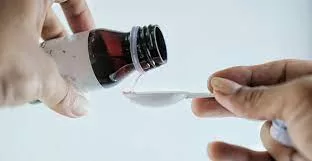
NEW DELHI — In a move that could fundamentally reshape pediatric care across India, the Union Health Ministry is considering a sweeping policy shift to restrict the use of cough and cold syrups in young children. Under a newly released draft proposal, medical professionals would be barred from prescribing these medications to infants under two years of age, while their use in children under five would be strongly discouraged.
The proposal, part of the draft National Formulary of India (NFI) 2026, arrives at a critical juncture for the nation’s pharmaceutical sector. If finalized, the guidelines will align India with global safety standards established by the World Health Organization (WHO) and the U.S. Food and Drug Administration (FDA), addressing long-standing concerns regarding the efficacy and safety of symptom-suppressing medications in developing bodies.
A New Blueprint for Pediatric Safety
The Indian Pharmacopoeia Commission (IPC), which oversees the NFI, has framed these recommendations as a necessary evolution in clinical practice. The NFI serves as the official “bible” for prescribing, providing the legal and professional framework for how drugs are dispensed by doctors and pharmacists.
According to the draft:
-
Children under 2: Cough and cold medications “should not be prescribed or dispensed.”
-
Children aged 2 to 5: Use is “generally not recommended” unless a clinician conducts a rigorous assessment and provides close, ongoing supervision.
Beyond prescribing habits, the draft introduces stringent quality-control mandates for manufacturers. It requires “pharmacopoeial-grade” solvents and mandatory batch-wise testing for raw materials like glycerin and propylene glycol. These common syrup bases have historically been at the center of contamination scandals involving toxic industrial chemicals.
The Catalyst: Global Tragedy and Local Accountability
The urgency behind this policy is rooted in a series of international tragedies. Since 2022, the WHO has issued multiple global alerts following the deaths of more than 300 children in countries including The Gambia, Indonesia, and Uzbekistan.
Investigations revealed that many of these children, most under the age of five, died of acute kidney injury after consuming syrups contaminated with diethylene glycol (DEG) and ethylene glycol (EG). These chemicals, often used in antifreeze and brake fluid, are sometimes illegally substituted for safe pharmaceutical-grade solvents to cut costs.
“The NFI draft follows a tragic timeline,” says a senior regulatory consultant who requested anonymity due to ongoing industry consultations. “The contamination-linked deaths reported as recently as 2025 have made it clear that we cannot simply regulate the finished product; we must regulate the very practice of how these drugs are utilized in our most vulnerable populations.”
Why Medical Experts Are Moving Away from Syrups
To the average parent, a cough syrup seems like a logical solution to a child’s distress. However, pediatric pulmonologists argue that for infants, the risks far outweigh the benefits.
1. The Masking of Symptoms
Coughing is a protective reflex. It is the body’s way of clearing mucus, irritants, and pathogens from the lungs. “Suppressing a cough without treating the underlying cause—whether it’s asthma, an allergy, or a bacterial infection—can lead to a worsening of the condition,” notes the Indian Academy of Pediatrics (IAP) in recent guidance.
2. Physiological Risks
Infants process medications differently than adults. Their metabolic pathways are still maturing, making them highly susceptible to “mis-dosing.” Common ingredients in these syrups, such as antihistamines and decongestants, can cause:
-
Excessive sedation and drowsiness (increasing the risk of aspiration, where fluid enters the lungs).
-
Respiratory depression (slowed breathing).
-
Abnormal heart rhythms.
-
Neurological issues such as confusion or agitation.
Aligning with Global Science
India’s shift mirrors a consensus that has existed in Western medicine for over a decade. The U.S. FDA and the American Academy of Pediatrics (AAP) have long advised against over-the-counter (OTC) cough meds for children under four.
Multiple clinical trials have demonstrated that these products do not meaningfully shorten the duration of a cold or prevent complications like ear infections or pneumonia in young children. In short: they rarely work for toddlers, but they can frequently hurt them.
What This Means for Parents: A “Supportive” Approach
If the NFI 2026 guidelines are implemented, the traditional “pink syrup” prescription may disappear from pediatric clinics. Instead, caregivers can expect doctors to pivot toward Supportive Care:
-
Hydration: Ensuring the child drinks plenty of fluids to thin mucus.
-
Saline Drops: Using salt-water drops to clear nasal passages.
-
Fever Management: Using age-appropriate doses of paracetamol or ibuprofen, rather than multi-symptom “combination” syrups.
-
Monitoring Danger Signs: Watching for rapid breathing, bluish lips, or persistent high fever.
“The message to parents isn’t to ignore the cough, but to stop self-medicating,” says a spokesperson for the IAP Kerala chapter. “Most childhood coughs are self-limiting and will resolve on their own with time and rest.”
Industry and Regulatory Hurdles
While public health advocates cheer the draft, the pharmaceutical industry remains cautious. The Indian Drugs Manufacturers Association (IDMA) is currently reviewing the technical requirements for batch-wise testing, which will increase production costs.
Furthermore, observers point out that a “prescription ban” is only half the battle. In India, many pharmacies continue to sell medications OTC without a valid script. Enforcement in rural areas and through online pharmacies remains a significant challenge for the Central Drugs Standard Control Organisation (CDSCO).
The Path Forward
The NFI 2026 is currently in its draft phase, allowing stakeholders to submit feedback before it becomes official policy. While some clinicians argue for “nuanced judgment” in rare chronic cases, the overwhelming trend is toward a “Safety First” era for Indian pediatrics.
By removing these products from the standard toolkit for infants, India aims not only to protect its own children but also to restore its reputation as a “pharmacy to the world” by enforcing the highest levels of chemical and clinical integrity.
References
- https://www.ndtv.com/health/health-ministry-mulls-ban-on-cough-syrups-for-children-under-2-years-report-11343147
Medical Disclaimer: This article is for informational purposes only and should not be considered medical advice. Always consult with qualified healthcare professionals before making any health-related decisions or changes to your treatment plan. The information presented here is based on current research and expert opinions, which may evolve as new evidence emerges.