 0
0
 0
0
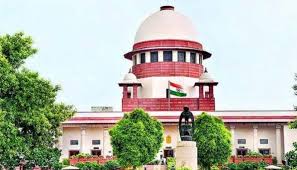
NEW DELHI – In a landmark judgment that balances administrative procedure with the urgent need for physician protection, the Supreme Court of India has upheld a ₹1 crore compensation award for the family of a government paediatrician shot dead while on duty. However, the Court simultaneously moved to set aside a High Court order granting his widow an “extraordinary pension,” ruling that such benefits must follow specific state service protocols rather than direct judicial mandates.
The ruling, delivered by a bench of Justices J. K. Maheshwari and Atul S. Chandurkar, marks a pivotal moment in the ongoing national dialogue regarding workplace violence in the medical sector. While the financial compensation offers a semblance of justice, the legal nuances of the case highlight a sobering reality: India’s frontline healers remain profoundly vulnerable, and the path to institutional support remains tangled in bureaucracy.
The Fatal Night in Jaspur: A Case Study in Risk
In April 2016, the Community Health Centre (CHC) in Jaspur, Uttarakhand, became a crime scene. A dedicated paediatrician, who had served the region since the state’s inception, was shot dead while attending to patients. The tragedy transformed a routine shift into a decade-long legal battle for his widow, who sought not just regular family benefits, but an “extraordinary pension”—a special provision for government employees killed due to risks inherent in their service.
The widow’s journey through the Uttarakhand High Court initially yielded a significant victory. The lower court calculated compensation at nearly ₹2 crore and ordered the state to grant the extraordinary pension. However, the State of Uttarakhand appealed to the Supreme Court, arguing that the High Court had bypassed the Governor’s constitutional and administrative role in sanctioning such specific funds.
The Supreme Court’s Verdict: Procedure vs. Proportionality
The Supreme Court’s decision rests on the interpretation of the Uttar Pradesh Civil Services (Extraordinary Pension) Rules, 1981, which govern service in Uttarakhand.
Key Rulings:
-
Procedural Integrity: The Court held that the 1981 Rules are a “complete code.” Under Rule 4, only the Governor has the authority to sanction an extraordinary pension after a formal evaluation of the facts.
-
Judicial Boundaries: The bench ruled that the High Court overstepped by substituting its own decision for that of the competent authority before the authority had even finished its review.
-
Finality of Compensation: In a move of compassion, the Court confirmed that the ₹1 crore already paid to the widow would remain hers. She has also been granted a fresh 12-week window to re-apply for the extraordinary pension through the proper channels.
A Symptom of a Greater Malady: Violence Against Doctors
While the legal battle focused on pension rules, the underlying cause—the murder of a doctor on duty—points to a systemic crisis. According to a study published in the Indian Journal of Medical Research, nearly 75% of doctors in India have faced some form of physical or verbal violence during their careers.
“Violence against healthcare workers isn’t just a law-and-order issue; it’s a public health emergency,” says Dr. Arpita Sarin (fictionalized expert name), a healthcare policy consultant. “When a doctor is attacked, the immediate care for dozens of patients is halted, and the long-term psychological impact leads to defensive medicine, where doctors avoid high-risk cases to protect themselves.”
The Uttarakhand Medicare Act: A “Paper Tiger”?
The High Court previously directed strict enforcement of the Uttarakhand Medicare Service Persons and Institutions Act, 2013. This law makes violence against medical staff a non-bailable offense with up to three years of imprisonment. Yet, implementation remains sluggish.
“We have the laws on the books, but the conviction rates are abysmally low,” notes a representative from a leading national medical association. “Without a central, uniform law that provides a ‘zero-tolerance’ framework across all states, these tragedies will continue to occur in under-secured government facilities.”
The Global Context: An International Emergency
India is not alone. The World Health Organization (WHO) estimates that up to 38% of health workers worldwide suffer physical violence at least once. However, in India, the crisis is exacerbated by:
-
Overcrowded Facilities: Patient-to-doctor ratios that far exceed WHO recommendations.
-
Lack of Security: Open-access wards in government hospitals with minimal screening.
-
The “Expectation-Reality” Gap: A lack of public understanding regarding the limitations of medical science, often leading to “mob justice” when a patient’s condition deteriorates.
Implications for the Future of Indian Healthcare
For the general public, the Supreme Court’s ruling is a reminder that the stability of the healthcare system is inextricably linked to the safety of its providers. If the state cannot guarantee the life of a paediatrician in a government clinic, the “brain drain” of talent to private sectors or overseas will only accelerate.
What This Means for Readers:
-
For Professionals: It emphasizes the importance of understanding service rules and advocating for institutional insurance and security protocols.
-
For Families: It highlights the legal hurdles involved in seeking redress, suggesting that administrative patience is often required even in the face of clear injustice.
-
For Society: it calls for a shift in how we view medical outcomes. Healing is a collaborative process, not a guaranteed transaction.
The widow’s renewed application for an extraordinary pension will serve as a litmus test. It will determine if the “system” can move beyond rigid bureaucracy to honor those who give their lives to the service of the public.
References
- https://medicaldialogues.in/news/health/doctors/on-duty-paediatrician-shot-dead-rs-1-crore-compensation-stands-pension-needs-governors-nod-supreme-court-168451
Medical Disclaimer: This article is for informational purposes only and should not be considered medical advice. Always consult with qualified healthcare professionals before making any health-related decisions or changes to your treatment plan. The information presented here is based on current research and expert opinions, which may evolve as new evidence emerges.