 0
0
 0
0
Published: March 24, 2026
NEW YORK & SAINT-HERBLAIN, France — In a major milestone for infectious disease prevention, Pfizer Inc. and Valneva SE announced on March 23, 2026, that their investigational Lyme disease vaccine, PF-07307405 (VLA15), demonstrated a 73.2% efficacy rate in a massive Phase 3 clinical trial. The study, involving over 9,000 participants across the United States, Europe, and Canada, marks the first successful late-stage results for a Lyme vaccine in over two decades. Despite missing a specific secondary statistical threshold due to lower-than-expected infection rates in the study areas, the companies confirmed they will move forward with global regulatory filings, potentially bringing a preventive solution to millions at risk from tick-borne illness.
A Shield Against the “Great Imitator”
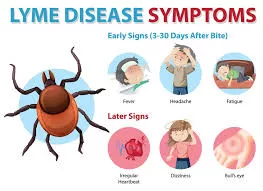
Lyme disease has long been a growing public health shadow. Carried by the Ixodes tick (commonly known as the black-legged or deer tick), the bacteria Borrelia burgdorferi causes an estimated 476,000 cases annually in the U.S. alone. Because its early symptoms—fatigue, fever, and muscle aches—mimic the flu, it is often dubbed the “Great Imitator,” frequently going undiagnosed until it reaches debilitating stages involving the joints, heart, or nervous system.
The VALOR trial (Vaccine Against Lyme for Outdoor Recreationists) was designed to see if a new multivalent vaccine could stop the bacteria before it ever takes hold in the human body. Unlike typical vaccines that prime the immune system to fight a virus once it enters the bloodstream, this vaccine works inside the tick itself. When a tick bites a vaccinated person, it ingests antibodies that neutralize the bacteria in the tick’s gut, preventing transmission to the human host.
Key Trial Findings:
-
Primary Efficacy: 73.2% effectiveness in preventing confirmed Lyme disease cases starting 28 days after the fourth dose (the second season booster).
-
Immediate Protection: 74.8% efficacy observed starting just one day after the fourth dose.
-
Safety Profile: The vaccine was well-tolerated across all age groups (5 years and older), with no major safety signals or “Red Flags” identified by the independent monitoring board.
-
Participant Pool: 9,437 individuals living in high-risk endemic areas.
“The efficacy of more than 70% is highly encouraging,” said Annaliesa Anderson, Ph.D., Pfizer’s Senior Vice President and Head of Vaccine R&D. “It creates confidence in the vaccine’s potential to protect against a disease that can be truly debilitating for those who suffer from its long-term effects.”
Navigating the “Statistical Miss”
While the 73% efficacy figure is clinically robust, the trial hit a technical snag. In the world of clinical research, a “primary endpoint” usually requires a specific level of statistical certainty, often measured by a “confidence interval.”
Because there were fewer actual cases of Lyme disease in the study areas than researchers had forecasted—likely due to seasonal variations in tick activity—the “margin of error” for the trial widened. This meant the lower bound of the confidence interval fell to 15.8%, just below the pre-set 20% goal.
However, infectious disease experts suggest this “miss” is a matter of mathematics, not medicine. The high “point estimate” of 73% suggests the vaccine works well; there simply weren’t enough infections in the placebo group to prove it with the extreme precision required by the original study protocol.
Expert Perspective: Breaking a 20-Year Cold Streak
The success of VLA15 is particularly poignant given the history of Lyme vaccines. In 2002, the only previously approved vaccine, LYMErix, was pulled from the market by GlaxoSmithKline. While effective, it suffered from low consumer uptake and unsubstantiated concerns regarding autoimmune side effects.
Dr. Sam Telford, a professor of vector-borne infections at Tufts University who was involved in the original LYMErix trials, noted that the industry was “gun-shy” for years. “There was a huge dampening of enthusiasm after LYMErix… Companies just didn’t want to go there,” Telford remarked.
The new Pfizer-Valneva candidate improves upon its predecessor by targeting six different strains (serotypes) of the bacteria, making it far more effective for travelers or residents in Europe, where different strains of Borrelia are prevalent compared to North America.
“This could fill a critical gap for outdoor enthusiasts and endemic residents,” noted Dr. Paul Mead, a specialist in tick-borne diseases, during a prior briefing on the vaccine’s development. He cautioned, however, that even with a vaccine, “tick prevention remains key.”
Public Health: A Changing Climate
The timing of this breakthrough is critical. As global temperatures rise, tick populations are expanding into new territories. Regions in the Upper Midwest and Canada that once saw few cases are now becoming “hot spots.” In Europe, countries like Slovenia and Switzerland are seeing incidence rates soar above 100 cases per 100,000 people.
For a family living in a high-risk area like Connecticut or Bavaria, a 73% reduction in risk could be transformative. While 73% is lower than the 95% efficacy seen in some viral vaccines, it is comparable to many widely used shots, such as the seasonal flu vaccine or the rubella shot used in parts of the world.
If approved, the vaccine would likely be administered on a seasonal schedule: three initial doses followed by a booster before the peak tick season begins in the spring.
Limitations and The Road Ahead
Despite the optimism, the road to the pharmacy shelf still has hurdles:
-
Market Reaction: Following the announcement, Valneva’s shares saw a sharp decline, reflecting investor anxiety over the statistical “miss” and what it might mean for the FDA approval process.
-
The “Booster” Burden: The current regimen requires four doses to reach peak efficacy. Public health officials worry that “vaccine fatigue” might lead to low compliance, reducing the real-world impact.
-
Pediatric Data: While the VALOR trial included children as young as five, a second, dedicated pediatric trial is still ongoing. This is vital, as children are at the highest risk for tick exposure due to play habits.
For now, the companies are preparing to submit their data to the FDA and the European Medicines Agency (EMA). If the regulators agree that the 73% efficacy is “clinically meaningful” despite the statistical widening, the vaccine could be available as early as late 2026 or 2027.
Until then, health authorities remind the public that the best defense remains “DEET, Denim, and Detection”—using repellent, wearing long pants, and performing thorough tick checks after spending time outdoors.
Medical Disclaimer
This article is for informational purposes only and should not be considered medical advice. Always consult with qualified healthcare professionals before making any health-related decisions or changes to your treatment plan. The information presented here is based on current research and expert opinions, which may evolve as new evidence emerges.
References
- https://www.reuters.com/business/healthcare-pharmaceuticals/pfizer-valneva-lyme-disease-shot-shows-more-than-70-efficacy-late-stage-trial-2026-03-23/