 0
0
 0
0
Published: April 29, 2026
INGELHEIM, Germany — In a major development for the global effort to combat the obesity epidemic, pharmaceutical partners Boehringer Ingelheim and Zealand Pharma announced positive topline results from their Phase III SYNCHRONIZE-1 clinical trial on April 28, 2026. The study reveals that their experimental dual-agonist injection, survodutide, helped adults without type 2 diabetes lose an average of 16.6% of their body weight over 76 weeks. These findings mark a pivotal step forward in a rapidly evolving market, offering a unique “dual-action” approach that targets both appetite and fat metabolism.
A New Frontier in Weight Management
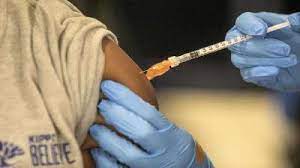
The SYNCHRONIZE-1 trial focused on adults living with obesity or overweight who did not have type 2 diabetes. Participants were randomized to receive once-weekly subcutaneous injections of either survodutide—gradually increased to doses of 3.6 mg or 6.0 mg—or a placebo.
The results were stark: while the placebo group saw a modest 3.2% weight reduction, those on survodutide experienced a significant 16.6% drop in body weight. For the average participant, this translated to a loss of approximately 39.2 pounds (17.8 kg). The trial successfully met both of its primary goals—the total percentage of weight change and the proportion of patients achieving at least a 5% reduction in weight—with a high degree of statistical certainty ($p < 0.0001$).
How It Works: The Dual-Agonist Difference
What sets survodutide apart from first-generation weight-loss medications like semaglutide (Wegovy) is its “dual-agonist” mechanism. While current market leaders primarily mimic GLP-1 (glucagon-like peptide-1) to suppress appetite and slow digestion, survodutide also activates the glucagon receptor.
Glucagon is a hormone that plays a critical role in how the body burns energy. By activating both pathways, survodutide aims to provide a “one-two punch”:
-
GLP-1 Activation: Curbs hunger and makes patients feel full faster.
-
Glucagon Activation: Increases energy expenditure and promotes the breakdown of fat in the liver.
“We also looked at body composition data,” a Boehringer Ingelheim representative noted during the announcement. “And here we saw that survodutide significantly reduces visceral fat—the metabolically harmful fat that surrounds internal organs.”
Expert Perspectives: Beyond the Scale
Medical experts not involved in the trial suggest that the quality of weight loss may be just as important as the quantity.
“The rise of dual and triple agonists represents a shift toward more holistic metabolic management,” says Dr. Nicholas Jones, a specialist familiar with the evolving landscape of metabolic therapies. “By targeting the glucagon receptor, we aren’t just eating less; we are potentially improving how the liver handles fat. This could have massive implications for conditions like MASH (metabolic dysfunction-associated steatohepatitis).”
However, Dr. Jones also urged a balanced view. “While 16.6% is clinically life-changing, it sits in a competitive middle ground. We have medications like tirzepatide already showing 20% or more. The real value of survodutide may lie in its specific impact on liver health and visceral fat reduction.”
Comparing the Landscape
The obesity treatment market is currently dominated by two giants: Eli Lilly’s tirzepatide (Zepbound) and Novo Nordisk’s semaglutide (Wegovy). Here is how survodutide compares based on the latest trial data:
| Drug | Mechanism | Avg. Weight Loss | Duration |
| Survodutide | GLP-1 / Glucagon | 16.6% | 76 Weeks |
| Tirzepatide | GLP-1 / GIP | 20.9% | 72 Weeks |
| Semaglutide | GLP-1 | 15.0% – 17.0% | 68 Weeks |
While survodutide’s total weight loss percentage is slightly lower than tirzepatide’s, researchers noted that weight loss in the survodutide group had not yet reached a plateau by week 76, suggesting that longer-term use could result in further reductions.
Safety and Side Effects
As with other incretin-based therapies, the most common side effects reported were gastrointestinal in nature. Patients frequently experienced nausea, vomiting, and diarrhea, particularly during the dose-escalation phase.
The study authors noted that these events were mostly “mild to moderate” and manageable. However, the full safety data, including dropout rates due to side effects, will not be public until the American Diabetes Association’s Scientific Sessions in June 2026.
Public Health and the “Triple Threat”
Obesity affects over 1 billion people worldwide and is a primary driver of heart disease, stroke, and type 2 diabetes. The introduction of another effective therapy could help alleviate the chronic supply shortages that have plagued the industry for the last three years.
Furthermore, survodutide’s unique effect on liver fat offers hope for patients with “the triple threat”: obesity, metabolic syndrome, and fatty liver disease. Earlier Phase II trials showed that survodutide led to an 83% improvement in adults with MASH, a condition that currently has few approved treatments.
Future Outlook
Boehringer Ingelheim and Zealand Pharma are moving forward with regulatory submissions. While SYNCHRONIZE-1 focused on those without diabetes, a sister trial, SYNCHRONIZE-2, is currently evaluating the drug’s efficacy in patients with type 2 diabetes.
As the “obesity wars” heat up between pharmaceutical companies, the focus for public health officials is shifting toward access. Even the most effective drug cannot improve public health if it remains unaffordable or unavailable to the populations that need it most.
The full results of the SYNCHRONIZE-1 trial are expected to be the “star of the show” at the upcoming June medical conferences, where the global medical community will get its first look at the detailed cardiovascular and metabolic markers that could define survodutide’s niche in a crowded market.
Medical Disclaimer: This article is for informational purposes only and should not be considered medical advice. Always consult with qualified healthcare professionals before making any health-related decisions or changes to your treatment plan. The information presented here is based on current research and expert opinions, which may evolve as new evidence emerges.
References
- https://www.reuters.com/world/boehringer-zealand-drug-leads-166-weight-loss-late-stage-trial-2026-04-28/