 0
0
 0
0
April 29, 2026
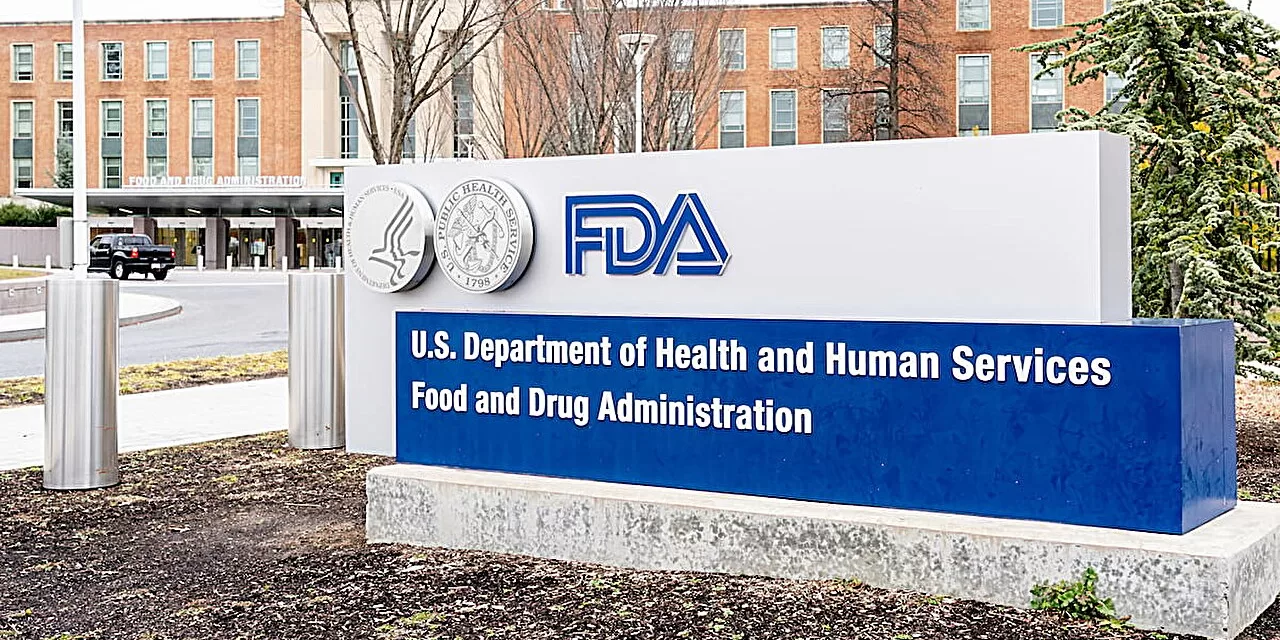
The U.S. Food and Drug Administration (FDA) has taken the rare and significant step of proposing the withdrawal of Tavneos (avacopan), a first-in-class medication designed to treat a debilitating group of autoimmune diseases. The proposal, announced on April 27, 2026, by the FDA’s Center for Drug Evaluation and Research (CDER), follows mounting evidence of severe liver toxicity and a re-evaluation of the drug’s effectiveness that has left regulators questioning its clinical value.
The decision places Amgen, which acquired the drug in its $3.7 billion purchase of ChemoCentryx in 2022, in a high-stakes regulatory battle. While Tavneos was initially celebrated as a breakthrough that could reduce the medical community’s reliance on toxic steroids, the FDA now suggests the risks—including fatal liver failure—may outweigh the benefits for patients with ANCA-associated vasculitis (AAV).
Understanding the Disease: The Fight Against AAV
ANCA-associated vasculitis is a group of rare, systemic autoimmune conditions characterized by the inflammation of small blood vessels. The disease is driven by “anti-neutrophil cytoplasmic antibodies” (ANCA) that cause the immune system to attack its own vasculature, leading to organ damage, particularly in the kidneys and lungs.
Affecting approximately 20 to 30 people per million annually in North America and Europe, AAV typically strikes adults over the age of 50. For decades, the “gold standard” of treatment has been a double-edged sword: high-dose corticosteroids combined with immunosuppressants or chemotherapy. While effective at inducing remission, long-term steroid use is notorious for causing severe side effects, including:
-
Osteoporosis and bone fractures
-
Type 2 diabetes
-
Severe infections
-
Weight gain and psychiatric disturbances
Tavneos, an oral complement C5a receptor inhibitor, was approved under an accelerated pathway in 2021 specifically to address this “steroid burden,” offering a way to induce remission while tapering off prednisone more quickly.
A Shift in the Safety Profile: 76 Cases of Liver Injury
The FDA’s proposal was triggered by a troubling pattern of post-marketing safety data. While the initial clinical trials identified potential liver enzyme elevations, real-world usage has revealed more severe outcomes.
By March 2026, the FDA identified 76 cases of drug-induced liver injury (DILI) directly linked to Tavneos. Most concerning were seven documented instances of Vanishing Bile Duct Syndrome (VBDS)—a rare and often irreversible condition where the bile ducts within the liver are destroyed, leading to chronic cholestasis and liver failure. To date, eight deaths have been associated with these complications.
“Liver toxicity signals like VBDS are rare but devastating,” says Dr. John Stone, a prominent rheumatologist at Massachusetts General Hospital who has followed the drug’s trajectory. “In the treatment of vasculitis, we are often forced to accept high risks because the disease itself is life-threatening. However, those risks must be balanced by ironclad evidence of efficacy, which is currently being called into question.”
Doubts Over Efficacy
The safety concerns are compounded by a dispute over the drug’s original Phase III “ADVOCATE” trial. In January 2026, the FDA requested a voluntary withdrawal after a re-adjudication of data from nine specific patients. This re-analysis suggested that the drug’s ability to maintain sustained remission without “rescue therapy” (additional steroids) might have been overestimated.
Amgen has vigorously defended the drug, refusing the voluntary withdrawal request. The company points to nearly $460 million in 2025 sales and ongoing pediatric trials as evidence of the drug’s importance.
“We remain confident that Tavneos is an important and effective medicine,” stated Murdo Gordon, Amgen’s Executive Vice President of Global Commercial Operations. Amgen maintains that the FDA’s re-analysis focuses on a statistically insignificant number of patients and that real-world evidence continues to support the drug’s “steroid-sparing” benefits.
The Regulatory Path Forward
The proposed withdrawal marks a tense moment for the FDA’s accelerated approval pathway. This program allows drugs for serious conditions to reach the market based on “surrogate endpoints”—indicators that predict clinical benefit—on the condition that manufacturers conduct post-approval confirmatory trials.
Dr. Lianne Gensler, a Professor of Rheumatology at the University of Utah, notes the complexity for patients. “Tavneos offered a glimmer of hope for those terrified of steroid side effects. But with 76 liver cases and eight deaths, we have to pause. Patients need to know if the ‘steroid-free’ promise is actually being met or if we are simply trading one toxicity for another.”
If the withdrawal proposal is upheld, Amgen must stop U.S. sales. However, the company has the right to request a public hearing to contest the findings, a process that could take months. Meanwhile, the European Medicines Agency (EMA) has also initiated a review of the drug, suggesting a global re-evaluation of Tavneos’s safety-to-benefit ratio.
What This Means for Patients
For the estimated 5,000 to 10,000 Americans currently living with AAV, the news creates significant uncertainty.
-
Clinical Advice: Patients currently taking Tavneos should not stop their medication abruptly, as this could trigger a vasculitis flare. Instead, they are urged to contact their rheumatologist immediately to discuss alternative treatments, such as rituximab or adjusted steroid protocols.
-
Monitoring: For those remaining on the drug during the appeal process, rigorous monitoring of liver enzymes (ALT, AST, and bilirubin) is essential.
-
Access: Many insurance providers may begin to restrict coverage or require additional “prior authorizations” in light of the FDA’s proposal.
The Tavneos situation serves as a stark reminder of the importance of pharmacovigilance—the ongoing monitoring of drugs after they hit the market. While clinical trials are rigorous, they often involve only a few hundred patients; rare side effects like VBDS may only emerge once a drug is used by thousands in the general population.
Reference Section
- https://www.reuters.com/legal/litigation/fda-proposes-withdraw-amgens-rare-autoimmune-disease-drug-2026-04-28/
Medical Disclaimer: This article is for informational purposes only and should not be considered medical advice. Always consult with qualified healthcare professionals before making any health-related decisions or changes to your treatment plan. The information presented here is based on current research and expert opinions, which may evolve as new evidence emerges.