 0
0
 0
0
May 14, 2026
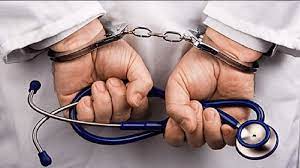
NALANDA, BIHAR — In a major crackdown on academic malpractice that carries significant implications for the future of the medical workforce, Nalanda police arrested three individuals, including a second-year MBBS student, on May 3–4, 2026. The operation uncovered an alleged NEET-UG (National Eligibility cum Entrance Test) “solver” racket involving forged admit cards, significant cash reserves, and incriminating digital evidence. The arrests, made just ahead of the nationwide medical entrance exam, have reignited concerns regarding the integrity of the pipeline through which India selects its future healthcare providers.
The Operation: Arrests and Seizures
The investigation unfolded during targeted vehicle checks and subsequent raids led by Nalanda authorities. Among those detained is Avdhesh Kumar (31), a second-year medical student at the Bhagwan Mahavir Institute of Medical Sciences (BMIMS) in Pawapuri. Police also apprehended Aman Kumar Singh (23) and Pankaj Kumar Sah (25).
During the operation, authorities seized:
-
Cash: Approximately ₹2.95 lakh was identified in linked accounts, with additional cash recovered during raids.
-
Vehicles: Two SUVs allegedly used to transport “solvers” or coordinators.
-
Digital Evidence: Multiple mobile phones containing data that investigators believe points to a coordinated network.
-
Documentation: Forged admit cards and identity documents intended to allow proxy candidates to sit for the exam on behalf of paying clients.
While initial reports focused on the trio, subsequent raids have reportedly expanded the scope of the investigation, with some outlets suggesting as many as seven individuals may now be tied to this specific module.
Anatomy of a “Solver” Racket
A “solver” racket typically operates by hiring academically proficient students—often those already enrolled in prestigious medical or engineering colleges—to impersonate candidates during high-stakes exams.
Local reporting and social media allegations suggest that this group offered to secure NEET-UG seats for fees ranging from ₹50 lakh to ₹60 lakh per candidate. These “proxies” leverage their own expertise to ensure a high ranking for the paying student, effectively “selling” a seat in a medical college to those with the financial means to bypass the competitive merit system.
Expert Perspectives on Exam Integrity
The involvement of a current medical student in the fraud is particularly troubling to experts in medical education. Academic integrity specialists note that the high stakes of the NEET-UG exam create a lucrative black market.
“High-stakes entrance exams are attractive targets for organized crime because the rewards—a guaranteed medical career and the associated social and financial status—are perceived as worth the risk by some,” says an exam-integrity specialist familiar with regional fraud patterns. “Detection is notoriously difficult without intelligence-led policing and robust digital forensics, as these networks often use sophisticated methods to bypass biometric security.”
Independent legal experts caution, however, that while the physical evidence—cash and forged documents—is compelling, the legal process is in its infancy. “Early arrests reflect preliminary findings,” notes a legal commentator. “The scale of the racket and the specific roles of the suspects must be established through a rigorous chain of custody for digital evidence and formal forensic verification before a conviction can be secured.”
The Public Health Connection
While exam fraud is often categorized strictly as a criminal or educational issue, public health advocates argue that the implications reach far deeper.
The quality of a nation’s healthcare system depends entirely on the competency and ethics of its clinicians. When the admissions process is compromised:
-
Clinical Competency: Students who enter medical school through fraudulent means may lack the foundational knowledge or ethical grounding required for patient care.
-
Public Trust: Repeated scandals can erode public confidence in the medical profession and the standardized testing systems meant to ensure quality.
-
Workforce Maldistribution: If seats are bought rather than earned, the medical profession becomes accessible only to the wealthy, potentially skewing the distribution of doctors and affecting health-system capacity in underserved areas.
Context and Background
NEET-UG is India’s largest and most critical gateway for students seeking MBBS and BDS degrees. Due to the extreme competition—millions of students vie for a limited number of seats—the exam has been a frequent target for “paper leaks” and proxy modules over the last decade. Past high-profile cases have necessitated intervention from the Central Bureau of Investigation (CBI), leading to calls for more stringent biometric verification and real-time surveillance at testing centers.
Limitations of Current Reporting
It is important to note that the investigation is ongoing. While police have released details regarding the seizures, formal charge sheets and forensic reports have not yet been made public. The reported figures of “₹50–60 lakh per seat” remain allegations tied to the investigation and have not been independently verified in a court of law. Readers should distinguish between preliminary police claims and facts proven through the judicial process.
Practical Takeaways for Students and Families
For families navigating the high-pressure environment of medical admissions, authorities offer clear guidance:
-
Avoid “Shortcuts”: Any third-party offer promising a “guaranteed” seat through unconventional means is likely illegal.
-
Legal Risks: Participation in such schemes can lead to permanent educational disqualification and criminal charges for both the student and their guardians.
-
Institutional Vigilance: The incident serves as a reminder for policymakers to strengthen pre-exam surveillance and integrate advanced digital forensics to protect the integrity of the medical pipeline.
Medical Disclaimer: This article is for informational purposes only and should not be considered medical advice. Always consult with qualified healthcare professionals before making any health-related decisions or changes to your treatment plan. The information presented here is based on current research and expert opinions, which may evolve as new evidence emerges.
References
- https://medicaldialogues.in/state-news/bihar/nalanda-police-bust-neet-solver-gang-mbbs-student-among-3-arrested-170532