 0
0
 0
0
KOLKATA, India — The Ministry of Ayush announced on May 27, 2026, that the cultural and spiritual hub of Kolkata, West Bengal, will serve as the official host city for the main event of the 12th annual International Day of Yoga (IDY) on June 21, 2026.
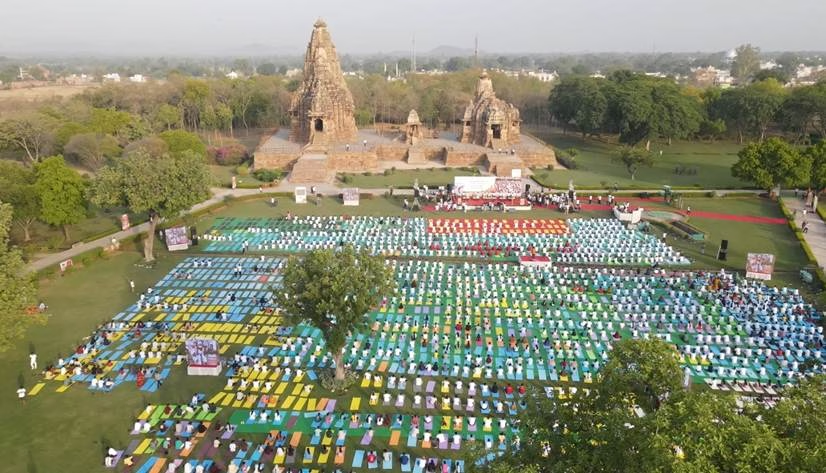
Union Minister of State for Ayush, Shri Prataprao Jadhav, unveiled the location alongside this year’s official global theme: “Yoga for Healthy Ageing.” The announcement was made during a mass yoga demonstration at the UNESCO World Heritage Site in Khajuraho, Madhya Pradesh, marking the official 25-day countdown to the global celebration.
As global populations age at unprecedented rates, health authorities are increasingly looking toward low-cost, scalable interventions to manage chronic disease and cognitive decline. This year’s theme signals a deliberate shift by health policymakers to reposition yoga from a general fitness trend to a core component of geriatric preventive healthcare.
Shifting Focus to Chronic Disease and Geriatric Health
The selection of “Yoga for Healthy Ageing” arrives at a critical public health juncture. According to data from the World Health Organization (WHO), the global population of individuals aged 60 and older is expected to double to 2.1 billion by 2050. This demographic shift presents massive challenges to healthcare infrastructure worldwide, primarily driven by a rise in non-communicable diseases (NCDs) such as osteoarthritis, cardiovascular disease, type 2 diabetes, and neurodegenerative disorders.
Speaking from the countdown event in Khajuraho, Minister Jadhav emphasized that yoga must transcend occasional practice and become integrated into daily life. He noted that the Ministry of Ayush, alongside public health initiatives like Ayush Aahar (standardized nutritional guidelines), is actively working to scale these practices across rural villages, schools, and corporate environments to curb the onset of age-related disabilities.
To support this nationwide scaling, the government unveiled several digital health infrastructures:
-
Yoga Sangam Portal: Relaunched to coordinate large-scale public registration and track regional participation metrics.
-
Yoga Park Portal: A new framework designed to assist municipal bodies and educational institutions in building dedicated, accessible outdoor spaces for community practice.
-
The Yoga 365 Campaign: An ongoing preventive health initiative that has already certified over 200,000 citizens as “Yog Mitras” (Yoga Friends) through a free, standardized 100-day training protocol.
What the Science Says: The Biological Impact of Yoga on Ageing
While yoga has been practiced for millennia, modern clinical research is increasingly validating its physiological and psychological benefits for older adults. Public health experts view the practice as a multi-modal intervention that addresses three key pillars of geriatric vulnerability: musculoskeletal decline, cognitive degradation, and systemic inflammation.
1. Cellular Ageing and Stress Biomarkers
A landmark study published in Oxidative Medicine and Cellular Longevity demonstrated that a consistent 12-week yoga and meditation regimen significantly reduced markers of cellular ageing. Researchers observed an upregulation in telomerase activity—the enzyme responsible for maintaining the structural integrity of chromosomes—alongside a noticeable decline in cortisol (the primary stress hormone) and reactive oxygen species (ROS), which cause oxidative cellular damage.
2. Mobility, Balance, and Fall Prevention
Falls remain the leading cause of injury-related hospitalizations among individuals aged 65 and older. According to a systematic review published in the Journal of Clinical Medicine, standardized yoga protocols significantly improve static and dynamic balance, core stability, and lower-limb flexibility. By enhancing proprioception (the body’s ability to sense its location and movement), yoga acts as a highly effective, non-pharmacological strategy for fall prevention.
3. Cognitive Preservation and Neurological Health
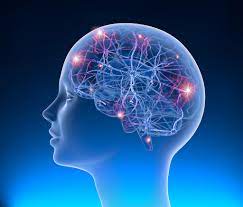
Ageing is frequently accompanied by a reduction in gray matter volume, particularly within the hippocampus—the region of the brain responsible for memory and emotional regulation. Clinical trials utilizing functional MRI (fMRI) imaging, published in Frontiers in Human Neuroscience, have shown that regular mind-body interventions like yoga can slow or even reverse age-related cortical thinning. Practitioners often exhibit improved executive functioning, memory recall, and emotional resilience compared to sedentary peers.
The Expert Perspective: Integration and Safety First
Medical professionals broadly support the integration of mind-body practices into senior care, though they urge a measured, safety-first approach.
“Yoga offers an elegant, low-cost solution to counter the frailty syndrome often seen in advancing age,” says Dr. Anita Rao, a geriatrician and public health consultant based in New Delhi, who was not involved in the government’s campaign. “However, it is vital to understand that ‘healthy ageing’ does not mean performing advanced, highly flexible postures seen in popular media.”
Dr. Rao emphasizes that for older adults, modifications are essential.
“Older individuals frequently present with undiagnosed osteopenia, severe arthritis, or spinal stenosis. Instructors must be specifically trained in adaptive protocols—such as chair yoga or prop-supported alignments—to avoid catastrophic joint or spinal stress. The goal is functional mobility, not performative flexibility.”
Limitations, Counterarguments, and Research Gaps
Despite a growing body of supportive literature, epidemiologists and medical researchers caution against viewing yoga as a standalone medical cure.
A primary limitation in current yoga research is the lack of large-scale, double-blind, randomized controlled trials (RCTs). Many published studies rely on small sample sizes, brief intervention windows (typically 8 to 12 weeks), and self-reported data, which can introduce significant selection bias. Furthermore, the wide variety of yoga styles—ranging from gentle restorative practices to high-intensity, heated vinyasa—makes it difficult for clinicians to prescribe a single, standardized “dose” of yoga for specific medical conditions.
There is also the critical issue of socio-economic accessibility. While public portals like Yoga Park aim to democratize access, specialized yoga instruction remains largely localized in urban, middle-to-high-income areas. Public health critics note that for yoga to function as a genuine tool for healthy ageing, interventions must be systematically integrated into public primary healthcare centers and subsidized senior living facilities, reaching vulnerable populations who lack access to premium wellness spaces.
A Global Movement Toward Preventive Wellness
The upcoming event in Kolkata builds upon a rapidly expanding global footprint. According to data shared by Shri Vishnu Datt Sharma, Member of Parliament for Khajuraho, yoga is now practiced systematically across nearly 190 countries. To solidify this global cohesion, the Ministry of Ayush and its technical partner, the Morarji Desai National Institute of Yoga (MDNIY), have called for a massive, synchronized global public health push on June 14, 2026, aiming for a new Guinness World Record to demonstrate global unity through standardized wellness protocols.
For the everyday reader, the overarching message of the IDY 2026 theme is clear: proactive, preventive lifestyle changes are the most sustainable tools available to extend healthspan—the period of life spent free from chronic disease. As the thousands of citizens gathered at the ancient temples of Khajuraho demonstrated, achieving a healthier future may rely heavily on adapting time-tested, historic traditions for our modern, ageing world.
Reference Section
Government and Official Announcements
-
Source Document: Press Information Bureau (PIB) Delhi, Ministry of Ayush, Government of India. “Kolkata to Host International Day of Yoga 2026 Main Event; Theme Announced as ‘Yoga for Healthy Ageing’.” Published May 27, 2026.
Medical Disclaimer: This article is for informational purposes only and should not be considered medical advice. Always consult with qualified healthcare professionals before making any health-related decisions or changes to your treatment plan. The information presented here is based on current research and expert opinions, which may evolve as new evidence emerges.