 0
0
 0
0
New Delhi — June 19, 2026
Osteoporosis is rapidly breaking its stereotype as an “old-age problem.” Leading endocrinologists and orthopedic surgeons across India are raising urgent alarms as an unprecedented number of adults under the age of 50 present with accelerated bone loss, premature osteopenia, and severe fragility fractures. Traditionally associated with postmenopausal women and the elderly, this “silent disease” is quietly undermining the skeletal health of India’s young workforce. Because the condition progresses asymptomatically for years before manifesting as sudden pain or a fracture, medical experts are calling for an immediate shift toward early screening and aggressive lifestyle interventions.
The Scale of the Crisis: A Growing Epidemic
The epidemiological shift in bone health across India is stark. Data compiled by the International Osteoporosis Foundation (IOF) indicates that an estimated 50 million people in India are either osteoporotic or suffer from dangerously low bone mass.
The crisis is further highlighted by a comprehensive, large-scale study published in the International Journal of Research in Orthopaedics, which analyzed bone mineral density (BMD) data from 31,238 Indian adults. The researchers revealed a troubling reality: nearly one out of two Indian adults has osteopenia (the precursor to osteoporosis), and one out of five has already crossed the threshold into full-blown osteoporosis.
Indian Adult Bone Health Profile (Based on BMD Data)
------------------------------------------------------
[████████████████████░░░░░░░░░░░░░░░░░░░░] 50% Osteopenia (1 in 2)
[████████░░░░░░░░░░░░░░░░░░░░░░░░░░░░░░░░] 20% Osteoporosis (1 in 5)
Alarmingly, clinical presentations of fragility fractures—fractures resulting from minor slips, sudden movements, or simply lifting everyday household objects—are appearing in individuals as young as 45. While women remain disproportionately vulnerable, with roughly one in three women over 50 affected compared to one in five men, the clinical burden on young men is rising. Because osteoporosis is frequently mischaracterized as a condition exclusive to women, younger men are rarely screened, leading to delayed diagnoses and more severe fractures when the disease finally comes to light.
Anatomy of an Early Decline: Why Younger Indians Are Vulnerable
Endocrinologists trace this premature skeletal decline to a combination of modern urban lifestyles, systemic metabolic shifts, and chronic dietary deficiencies.
The Sedentary Desk Culture
Urbanization has chained young professionals to desks for long hours, driving a steep decline in physical activity. Bone is a living tissue that remodels and strengthens in response to mechanical stress. Without regular weight-bearing and resistance exercises—such as brisk walking, running, or strength training—the biological signaling required to maintain bone density diminishes, accelerating bone resorption over bone formation.
The Epidemic of Vitamin D Deficiency
Despite India’s abundant geographic sunlight, vitamin D deficiency has reached endemic proportions. According to a comprehensive analysis published by the Indian Journal of Medical Research, the prevalence of hypovitaminosis D among Indian adults ranges from 30% to a staggering 91.2%.
Reinforcing these figures, nationwide diagnostic data from Tata 1mg Labs, which analyzed tests from over 220,000 individuals across 27 cities, revealed that 76% of the population suffers from vitamin D deficiency. Because vitamin D is the primary biological gatekeeper for calcium absorption in the gut, its absence renders even calcium-rich diets largely ineffective, forcing the body to leach calcium directly from the skeletal reservoir.
Nutritional Imbalances and Metabolic Stress
Modern dietary shifts have further compounded the issue. High intake of processed fast foods, excessive caffeine, carbonated soft drinks, and chronic crash dieting disrupt the body’s micronutrient balance. Concurrently, secondary medical factors are accelerating bone loss in younger populations:
-
Endocrine and Inflammatory Conditions: Thyroid disorders, poorly managed type 2 diabetes, Polycystic Ovary Syndrome (PCOS), and rheumatoid arthritis significantly disrupt bone metabolism.
-
Medications: The prolonged use of systemic corticosteroids for allergies or autoimmune conditions directly weakens the bone matrix.
-
Lifestyle Toxins: Regular smoking and excessive alcohol intake exert a direct toxic effect on osteoblasts (bone-building cells) while impairing calcium absorption.
The Biological Timeline: Maximizing the Critical Window
Medical experts stress that understanding the timeline of bone biology is crucial to reversing this trend.
“We gain bone till about 30 years and spend the rest of our lives losing it,” explains Dr. Nitin Kapoor, Professor and Head of the Department of Endocrinology, Diabetes, and Metabolism at Christian Medical College (CMC), Vellore.
Because skeletal development peaks around the third decade of life, the lifestyle choices made during one’s 20s and 30s dictate the structural integrity of the skeleton for the remaining decades. If a young adult fails to achieve an optimal peak bone mass by age 30, the natural age-related bone loss that follows will plunge them into osteopenia and osteoporosis far earlier than previous generations.
Dr. Amyn Rajani, a prominent orthopedic surgeon, warns against ignoring the early signs. “Osteoporosis is a condition where bones become weak, brittle, and more prone to fractures, often from minor falls or even simple movements like bending or coughing. In India, it is becoming a silent epidemic,” Dr. Rajani notes.
Diagnosis, Limitations, and the Public Health Response
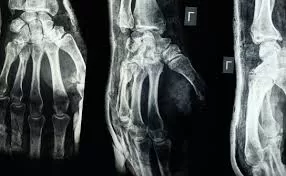
The gold standard for evaluating bone health remains the Dual-Energy X-ray Absorptiometry (DEXA) scan. A quick, non-invasive imaging test, a DEXA scan measures bone mineral density and provides a T-score that quantifies a patient’s fracture risk. Clinicians are increasingly recommending that individuals over 40 with risk factors—such as a family history of fractures, prolonged sedentary habits, or chronic vitamin D deficiency—undergo baseline screening alongside comprehensive metabolic panels evaluating calcium, vitamin D, and thyroid function.
Balancing the Data: Current Study Limitations
While the clinical trends are deeply concerning, epidemiologists note that current data features distinct limitations. A significant portion of prevalence studies in India are localized or conducted within tertiary care hospitals in major urban centers like Delhi and Mumbai. This limits nationwide generalizability, as rural populations often exhibit different dietary patterns and physical activity levels.
Furthermore, some public health experts argue that the apparent surge in cases among younger demographics may partially reflect heightened diagnostic screening and public awareness rather than a pure increase in disease incidence. However, the rising volume of young patients presenting to emergency rooms with complex fragility fractures strongly suggests a genuine, systemic decline in population-wide bone health.
Actionable Strategy: Building a Resilient Skeleton
Preventing and managing early bone loss relies on proactive, daily lifestyle modifications. Public health bodies, including the Osteoporosis Society of India, recommend a multi-pronged approach:
Nutritional Targets for Optimal Bone Density
| Nutrient | Recommended Source | Action Mechanism |
| Calcium | Curd, paneer, ragi, sesame seeds, almonds, leafy greens | Provides the structural building blocks for the mineralized bone matrix. |
| Vitamin D | Direct sunlight (15–30 mins daily), fortified foods, targeted supplementation | Crucial for active intestinal absorption of dietary calcium. |
Lifestyle Adjustments
-
Mechanical Loading: Incorporate at least 30 minutes of weight-bearing exercises (e.g., resistance training, climbing stairs, dynamic sports) four to five times a week to stimulate bone remodeling.
-
Toxin Reduction: Eliminate tobacco use and strictly limit alcohol intake to protect osteoblast function.
-
Early Intervention: Parents and educators must encourage children and teenagers to engage in outdoor play, ensuring robust skeletal development long before peak bone mass is reached.
Ultimately, addressing India’s silent skeletal crisis requires dismantling the myth that osteoporosis belongs solely to old age. By advocating for early screening, optimizing metabolic health, and embracing bone-healthy habits in early adulthood, millions of young Indians can safeguard their mobility and long-term quality of life.
Medical Disclaimer
Medical Disclaimer: This article is for informational purposes only and should not be considered medical advice. Always consult with qualified healthcare professionals before making any health-related decisions or changes to your treatment plan. The information presented here is based on current research and expert opinions, which may evolve as new evidence emerges.
References
-
Economic Times Health. “‘Silent Bone Loss’: Why Osteoporosis Is Rising Among Indians Under 50.” Published June 18, 2026.