 0
0
 0
0
Read Time:5 Minute, 13 Second
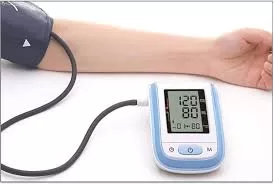
NEW DELHI — India’s primary drug standards authority, the Indian Pharmacopoeia Commission (IPC), has issued a national drug safety alert linking polymyxin B—a critical, last-line antibiotic used to treat life-threatening bacterial infections—to hypotension, an abnormally low blood pressure state.
The alert stems from an in-depth analysis of adverse drug reaction (ADR) submissions collected through the Pharmacovigilance Programme of India (PvPI). While regulators emphasize that the signal does not establish a direct cause-and-effect relationship for every patient, it highlights a crucial risk that demands increased clinical vigilance from intensive care teams and medical professionals nationwide.
What the Safety Alert Means for Clinical Care
Polymyxin B is a heavy-duty antibiotic reserved almost exclusively for complex, hospital-acquired infections caused by multidrug-resistant Gram-negative bacteria. When newer antibiotics fail against stubborn pathogens in the bloodstream, lungs, or urinary tract, clinicians turn to polymyxin B. The drug operates by disrupting the structural integrity of the bacterial outer membrane, causing the cell to break down.
Because it targets severe infections, polymyxin B is primarily administered intravenously in critical care settings like Intensive Care Units (ICUs). Patients receiving the drug are often already severely ill, dealing with sepsis, systemic inflammation, or organ dysfunction—conditions that naturally instability blood pressure on their own.
┌─────────────────────────────────────────────────────────┐
│               Understanding Safety Signals              │
├─────────────────────────────────────────────────────────┤
│  A "safety signal" is an early warning indicator.       │
│                                                         │
│  • NOT a drug recall or immediate ban.                  │
│  • Suggests a previously under-recognized risk.          │
│  • Prompts targeted clinical monitoring & study.        │
└─────────────────────────────────────────────────────────┘
According to guidelines established by the World Health Organization (WHO), spontaneous safety reporting systems like the PvPI are designed to capture adverse events that may not become apparent during early-stage clinical trials, which involve smaller and healthier patient pools.
“A safety signal is not a directive to stop treatment,” explains Dr. Ananya Sharma, a consultant in critical care medicine not affiliated with the IPC panel. “It is an operational caution flag. In an ICU environment, blood pressure drops can stem from dozens of variables. What this alert does is remind clinicians to keep the drug itself on the radar when investigating a sudden, unexplained drop in blood pressure.”
Why Hypotension is a Critical Concern
Blood pressure is the primary mechanical driver that pushes oxygen and vital nutrients through the vascular tree to the brain, heart, and kidneys. When blood pressure drops sharply, perfusion to these vital organs is compromised, triggering symptoms such as:
-
Sudden dizziness or light-headedness
-
Confusion and loss of alertness
-
Blurred vision and profound muscle weakness
-
Fainting (syncope) or progressing into medical shock
In hospital patients, hypotension can be triggered by histamine release during intravenous administration, autonomic nerve system disruption, or rapid blood vessel dilation. Historical pharmacological literature suggests that rapid infusion of polymyxins can trigger localized histamine release, which relaxes blood vessels and triggers a sudden fall in systemic pressure.
A Drug with a Narrow Margin for Error
Polymyxin B and its chemical relative, colistin, belong to a class of antibiotics known for having a narrow therapeutic window—meaning the boundary between a dose that kills bacteria and one that causes organ toxicity is tight.
While low blood pressure represents a newly highlighted signal in India, polymyxin B is already closely monitored for other distinct toxicities:
Kidney Toxicity (Nephrotoxicity)
Renal stress remains the most prominent and documented toxicity associated with polymyxins. A comprehensive systematic review published in Clinical Microbiology and Infection analyzing over 35,500 patient records across 237 studies revealed that kidney injury occurs in roughly 28.2% to 39.1% of patients receiving polymyxin treatments, depending on the diagnostic criteria used.
Nervous System Toxicity (Neurotoxicity)
The same global review estimated neurotoxic events at approximately 3.0%. These effects can range from mild facial tingling and dizziness to severe respiratory failure caused by neuromuscular blockade (a temporary blockage of nerve signals to muscles responsible for breathing).
| Risk Factor | Clinical Presentation | Standard Risk Level |
| Nephrotoxicity | Elevated creatinine, reduced urine output | High (~28%–39%) |
| Neurotoxicity | Tingling, numbness, muscle weakness | Moderate (~3%) |
| Hypotension | Dizziness, fainting, rapid blood pressure drop | Under Assessment (Safety Signal) |
Guidelines for Healthcare Providers and Caregivers
The IPC alert calls for proactive clinical monitoring rather than panic or premature cessation of therapy. Stopping an antibiotic like polymyxin B abruptly during a severe infection can allow resistant bacteria to resurge rapidly, with life-threatening consequences.
Recommendations for Hospital Teams
-
Monitor Infusion Rates: Administer intravenous polymyxin B slowly according to manufacturer guidelines to mitigate rapid vasodilation or histamine-related reactions.
-
Regular Vitals Tracking: Check baseline blood pressure prior to administration and maintain continuous or frequent blood pressure monitoring throughout the infusion period.
-
Review Concurrent Medications: Assess if other co-administered medications (such as sedatives, antihypertensives, or diuretics) may act synergistically to drop blood pressure.
Red-Flag Symptoms for Caregivers & Families
If a patient receiving polymyxin B care at home or in a step-down unit exhibits any of the following symptoms, immediate medical attention is required:
-
Cold, clammy skin or rapid, shallow breathing
-
Unexplained agitation, confusion, or inability to stay awake
-
A dramatic drop in measured blood pressure or absence of urine output over several hours
Study Limitations and Future Directions
Because the IPC’s safety signal relies on spontaneous adverse event reporting from healthcare workers and hospitals, it carries intrinsic epidemiological limitations. Spontaneous reporting databases are vulnerable to under-reporting, incomplete patient histories, and confounding factors—especially given that patients receiving polymyxin B often suffer from multiple co-existing medical conditions.
Regulators at the PvPI will continue analyzing incoming clinical case details, patient demographics, dose relationships, and timing sequences to evaluate whether a definitive cause-and-effect link exists. For now, polymyxin B remains an essential weapon against antibiotic-resistant bacteria, with its clinical benefits balanced by vigilant bedside monitoring.
Medical Disclaimer: This article is for informational purposes only and should not be considered medical advice. Always consult with qualified healthcare professionals before making any health-related decisions or changes to your treatment plan. The information presented here is based on current research and expert opinions, which may evolve as new evidence emerges.
References
-
Medical Dialogues. “Drug Safety Alert: IPC Identifies Hypotension as Suspected ADR Linked to Polymyxin B.” Published August 8, 2026. https://medicaldialogues.in/news/industry/pharma/drug-safety-alert-ipc-identifies-hypotension-as-suspected-adr-linked-to-polymyxin-b-176836


Happy
0 %

Sad
0 %

Excited
0 %

Sleepy
0 %

Angry
0 %

Surprise
0 %