 0
0
 0
0
NEW DELHI — In a move that signals a paradigm shift in pediatric public health, the Union Ministry of Health and Family Welfare has officially released a comprehensive “Guidance Document on Diabetes Mellitus in Children.” Unveiled at the National Summit on Best Practices in Public Healthcare Service Delivery on May 3, 2026, the initiative transforms India from a nation with fragmented pediatric endocrine care into a global leader in integrated chronic disease management for minors.
The new framework establishes the first standardized national protocol for the screening, diagnosis, and lifelong management of diabetes in children, promising free insulin and diagnostic tools to millions who previously faced significant financial barriers to survival.
From Detection to Management: The Integrated Continuum
The cornerstone of this initiative is the Integrated Continuum of Care. Moving beyond simple diagnosis, the Ministry has mapped a seamless journey for patients, starting at the community and school levels and escalating through District Hospitals to specialized Medical Colleges.
The guidance document addresses the two primary forms of the disease affecting the youth: Type 1 Diabetes (T1D), an autoimmune condition where the pancreas produces little to no insulin, and the rising incidence of Type 2 Diabetes (T2D), traditionally seen in adults but increasingly diagnosed in adolescents due to lifestyle shifts.
Key Pillars of the National Framework:
-
Universal Screening: Targeted outreach for children from birth to 18 years via school-based health programs.
-
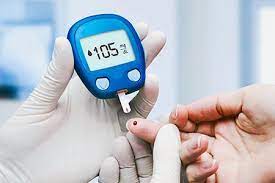
Zero-Cost Care Package: Provision of free insulin, glucometers, and testing strips at all public health facilities.
-
Decentralized Access: Shifting confirmatory diagnosis and management to district-level facilities to reduce travel for rural families.
-
Digital Tracking: A follow-up system designed to ensure no child “drops out” of the treatment cycle.
Empowering Caregivers: The “4Ts” Awareness Campaign
Early detection is often the difference between a routine diagnosis and a life-threatening emergency known as Diabetic Ketoacidosis (DKA). To bridge the gap in public awareness, the Ministry has adopted the “4Ts” framework, a simple diagnostic mnemonic for parents and educators:
-
Toilet: Frequent urination (especially bedwetting in a previously dry child).
-
Thirsty: Excessive or unquenchable thirst.
-
Tired: Unusual fatigue or lethargy.
-
Thinner: Unexplained weight loss.
“By the time many children in India reach a specialist, they are already in a state of metabolic crisis,” says Dr. Ananya Iyer, an independent pediatric endocrinologist not involved in the drafting of the document. “Standardizing the ‘4Ts’ at the school level is a game-changer. It moves diabetes from a ‘clinical secret’ to a community-supported health priority.”
The Statistical Reality of Diabetes in India
The urgency of this guidance is underscored by recent data. According to the International Diabetes Federation (IDF) Diabetes Atlas, India is home to one of the largest populations of children and adolescents living with Type 1 Diabetes globally.
| Metric | Estimated Impact (India) |
| Estimated T1D cases (0-19 years) | ~250,000+ |
| Annual New Diagnoses | ~15,000 – 20,000 |
| Leading Cause of Mortality | Late diagnosis and lack of affordable insulin |
Historically, the cost of managing T1D—ranging from ₹3,000 to ₹8,000 per month for insulin and monitoring—has been prohibitive for families below the poverty line. By integrating these costs into the public health budget, the Ministry aims to slash preventable mortality rates significantly by 2030.
Expert Perspectives and Public Health Implications
Public health experts have lauded the move but remain cautiously optimistic about the implementation.
“The policy is world-class,” notes Rajesh Bhushan, a consultant in public health policy. “The challenge lies in the supply chain. Maintaining a ‘cold chain’ for insulin—keeping it refrigerated from the manufacturer to a remote village clinic—is a massive logistical undertaking. However, by making it a mandate of the public health system, the government is finally providing the infrastructure necessary to solve these bottlenecks.”
The document also emphasizes Family and Caregiver Empowerment. For the first time, public health workers (ASHAs and ANMs) will be trained to educate families on insulin administration and emergency response, such as recognizing hypoglycemia (low blood sugar).
Addressing Limitations and Challenges
While the document provides a robust roadmap, some medical professionals point out that the rise of Type 2 Diabetes in children requires a different, prevention-heavy approach.
“While T1D is an autoimmune necessity, the T2D cases we see in 15-year-olds are often driven by the obesogenic environment,” says Dr. Iyer. “The guidance document is excellent for management, but it must be paired with stricter regulations on school nutrition and sedentary behavior to truly curb the pediatric diabetes epidemic.”
Furthermore, the transition of care from pediatric to adult clinics—a period where many young adults lose control of their blood sugar—remains a complex area that will require further refined protocols as the first cohort of children under this plan reaches adulthood.
A Global Benchmark
With this release, India joins a select group of nations—including several Nordic countries and Australia—that provide a structured, state-sponsored safety net for childhood diabetes. By moving away from sporadic “camp-based” care toward a permanent institutional framework, the Ministry of Health is ensuring that a diagnosis of diabetes is no longer a barrier to a child’s education, growth, or future.
For parents, the message from the National Summit is clear: the government is now a partner in your child’s health journey. With early detection and the “4Ts,” the goal is to ensure that every child with diabetes in India can live a full, active, and healthy life.
Reference Section
Peer-Reviewed & Statistical Sources:
-
Ministry of Health and Family Welfare (MoHFW). Guidance Document on Diabetes Mellitus in Children. Released May 3, 2026.
Medical Disclaimer: This article is for informational purposes only and should not be considered medical advice. Always consult with qualified healthcare professionals before making any health-related decisions or changes to your treatment plan. The information presented here is based on current research and expert opinions, which may evolve as new evidence emerges.