 0
0
 0
0
NEW DELHI – In a decisive move to bolster the safety of patients and medical infrastructure, the Union Ministry of Health & Family Welfare is set to observe a pan-India ‘Fire Safety Week’ from May 4th to 10th, 2026. The initiative, aimed at eliminating fire hazards in healthcare settings, will be inaugurated tomorrow at Kartavya Bhawan by Union Health Secretary Smt. Punya Salila Srivastava.
The week-long campaign comes at a critical time when rising temperatures across the Indian subcontinent historically correlate with an increase in electrical short circuits and hospital fire incidents. By mobilizing state governments, Union Territories, and central departments, the Ministry seeks to move beyond reactive measures toward a permanent culture of “safety-first” in Indian medicine.
A Pledged Commitment to Patient Security
The inauguration tomorrow will feature a significant symbolic and practical milestone: the administration of a national Fire Safety Pledge. Led by Smt. Punya Salila Srivastava, healthcare administrators and stakeholders will formally commit to strict adherence to National Building Codes (NBC) and fire safety protocols.
“Fire safety in a hospital isn’t just about extinguishers and alarms; it’s about protecting those who are often unable to protect themselves—the bedridden, the elderly, and those in intensive care,” says Dr. Arpan Nayak, a veteran hospital administrator not involved in the Ministry’s planning. “A pledge at the secretarial level sends a clear message that safety is now a non-negotiable metric of healthcare quality.”
Key Objectives of Fire Safety Week 2026:
-
Awareness Campaigns: Sensitizing staff, patients, and visitors on basic fire prevention.
-
Mock Drills: Real-time evacuation exercises to test response times in critical care units.
-
Capacity Building: Specialized training for “fire wardens” within hospital departments.
-
Protocol Dissemination: Ensuring every facility has updated, visible, and localized emergency exit plans.
The High Stakes of Healthcare Fire Safety
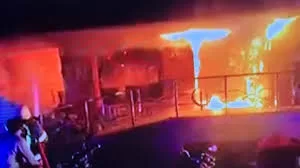
Healthcare facilities present unique challenges during fire emergencies. Unlike office buildings, hospitals house oxygen cylinders, volatile chemicals, and high-voltage diagnostic machinery like MRI and CT scanners. Furthermore, the presence of non-ambulatory patients—those who cannot walk or are tethered to life-support—makes traditional evacuation methods complex.
According to data from the National Crime Records Bureau (NCRB) and various fire service departments, electrical faults account for nearly 75% to 80% of hospital fires in India. Overloaded circuits, particularly during peak summer months when air conditioning usage surges, remain the primary catalyst for these tragedies.
“The vulnerability of a hospital is multi-layered,” explains Rajesh Kumar, a fire safety consultant for large-scale medical institutions. “You have ‘fire loads’—the amount of combustible material like linens and plastic tubing—combined with pressurized oxygen, which acts as an accelerant. If you don’t have a trained staff that knows how to react in the first 120 seconds, the results can be catastrophic.”
Strategic Implementation Across States
The Ministry has directed all States and Union Territories to move beyond the inaugural ceremony and implement rigorous ground-level checks. This includes verifying Fire No-Objection Certificates (NOCs) and ensuring that functional fire sprinklers and smoke detectors are installed in high-risk zones like ICUs and Operation Theatres.
The pan-India approach is intended to bridge the gap between well-funded private corporate hospitals and overburdened secondary-care public facilities. By involving “all relevant Central Ministries,” the initiative ensures that structural engineering, power supply, and emergency services are aligned with health ministry goals.
Public Health Implications: Beyond the Flames
A hospital fire is more than a localized accident; it is a public health crisis. When a facility is damaged by fire, the loss of “critical infrastructure” can deprive a community of essential services for months.
-
Loss of Life: The immediate and most tragic impact.
-
Destruction of Records: Loss of patient histories and research data.
-
Equipment Damage: Millions of dollars in life-saving technology can be destroyed in minutes.
-
Psychological Impact: Fire incidents create a trust deficit, making patients hesitant to seek care in large institutional settings.
Limitations and Challenges
While the ‘Fire Safety Week’ provides a necessary spotlight, experts warn that a seven-day observance cannot solve systemic issues.
-
Infrastructure Aging: Many government hospitals are housed in heritage buildings or structures built before modern fire codes.
-
Budgetary Constraints: Retrofitting older hospitals with automated sprinkler systems is a capital-intensive process.
-
Staff Turnover: Fire safety training must be continuous, as new residents and nursing staff join hospitals monthly.
What This Means for You: A Guide for Patients and Families
While the government focuses on infrastructure, the public also plays a role in hospital safety. The Ministry encourages visitors to be mindful of their surroundings:
-
Locate the Exits: Upon entering a ward, take 30 seconds to identify the nearest fire exit.
-
Report Hazards: If you see frayed wires, blocked stairwells, or people smoking on hospital grounds, notify the nursing station immediately.
-
Follow the Drills: If a mock drill occurs during your stay, follow staff instructions calmly; these exercises are designed to ensure your safety during a real event.
The Road Ahead
As the inauguration at Kartavya Bhawan kicks off tomorrow, the eyes of the medical community will be on the implementation. The Ministry’s proactive stance suggests a shift toward preventative medicine for infrastructure. By treating fire safety with the same clinical rigor as infection control, India moves one step closer to a healthcare system that is not only effective but inherently safe.
Medical Disclaimer: This article is for informational purposes only and should not be considered medical advice. Always consult with qualified healthcare professionals before making any health-related decisions or changes to your treatment plan. The information presented here is based on current research and expert opinions, which may evolve as new evidence emerges.
References and Sources
-
Primary Source: Press Information Bureau (PIB) Delhi, “Union Ministry of Health & Family Welfare to Observe Pan-India ‘Fire Safety Week’ from 4th–10th May 2026,” published May 03, 2026.