 0
0
 0
0
NEW DELHI – In a landmark development for Indian public health, Panacea Biotec, in partnership with the Indian Council of Medical Research (ICMR), has officially completed participant enrollment for the Phase III clinical trials of DengiAll, the nation’s first homegrown, single-dose tetravalent dengue vaccine. As of February 28, 2026, over 10,335 volunteers across 19 sites have been recruited, signaling a pivotal shift in the decades-long battle against a disease that consistently cripples India’s healthcare infrastructure during the monsoon season.
The completion of enrollment marks the most advanced stage an indigenous dengue vaccine has ever reached in India. If the ongoing monitoring phase confirms the vaccine’s safety and efficacy, a market rollout could occur as early as 2027, potentially providing a cost-effective shield for millions of citizens currently at risk.
A Rising Threat Fueled by Climate Change
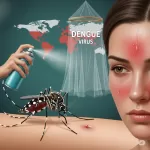
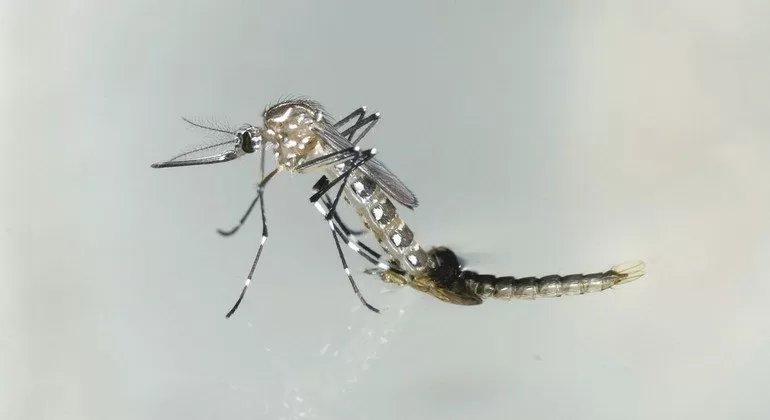
Dengue is a viral infection transmitted to humans through the bite of infected Aedes aegypti and Aedes albopictus mosquitoes. While many infections are asymptomatic, the disease can manifest as a severe flu-like illness. In its most dangerous form—Dengue Hemorrhagic Fever (DHF)—it causes internal bleeding, organ failure, and a rapid drop in blood pressure that can be fatal if not managed with intensive medical care.
Despite a slight decline in reported cases in 2025 compared to the previous year, the burden remains staggering. From January to November 2025, India recorded 113,440 cases and 94 deaths. States such as Tamil Nadu, Maharashtra, and Kerala have become “hyperendemic” zones where all four distinct serotypes of the virus (DENV-1 through DENV-4) circulate simultaneously.
The World Health Organization (WHO) warns that nearly half the global population is now at risk. In India, the situation is exacerbated by rapid urbanization and rising temperatures, which extend the breeding season of mosquitoes. Projections suggest a 50–75% increase in dengue incidence by 2050 if current climate trends persist.
The Science of DengiAll: A Single-Dose Solution
Developing a dengue vaccine is notoriously difficult due to a phenomenon called Antibody-Dependent Enhancement (ADE). This occurs when a person is infected with one serotype and later develops a secondary infection with a different serotype; instead of being protected, the person’s existing antibodies may actually help the new virus enter cells more easily, leading to more severe illness.
To counter this, DengiAll is designed as a live-attenuated tetravalent vaccine. It uses weakened forms of all four dengue serotypes to stimulate a balanced immune response simultaneously.
“We are extremely cautious about purity, safety, and adverse effects,” says Priyanka Priyadarsiny, Head of Biological R&D at Panacea Biotec. “Our goal is a vaccine that provides comprehensive protection without the risk of sensitizing the body to more severe secondary infections.”
Unlike other global candidates that require two or three doses spaced months apart, DengiAll is a single-dose vaccine. This characteristic is a significant logistical advantage for India, where ensuring patients return for follow-up shots in rural or migratory populations can be a major hurdle. Furthermore, the vaccine remains stable at standard refrigeration temperatures (2–8°C), making it compatible with India’s existing immunization cold-chain infrastructure.
The Road to 2027: Trials and Safety Monitoring
The Phase III trial is a randomized, double-blind, placebo-controlled study—the gold standard of medical research. The 10,335 participants, ranging in age from 1 to 60, will be monitored for two years.
According to protocols established by the Drug Controller General of India (DCGI), an interim efficacy analysis can be conducted once 124 confirmed cases of symptomatic dengue are recorded among the trial participants. This will allow researchers to compare the infection rates between the vaccinated group and the placebo group.
Earlier Phase I and II trials conducted by Panacea Biotec were promising, showing an immunogenicity rate (the ability to provoke an immune response) of 77–82%.
Expert Perspectives: A “Game-Changer” for the Global South
Medical experts unaffiliated with the study view the progress with “cautious optimism.” The primary hope is that an indigenous vaccine will be significantly more affordable than international alternatives like Takeda’s Qdenga, which is not yet widely available in India.
“This vaccine is very much needed right now to control the occurrence of these cases, or at least prevent the severity,” says Dr. Ekta Gupta, Professor of Clinical Virology at the Institute of Liver and Biliary Sciences in New Delhi. By preventing severe cases, the vaccine could drastically reduce the “bed-blocking” effect seen in hospitals during seasonal outbreaks.
However, virologist Shahid Jameel, an Oxford University fellow, reminds the public that the most rigorous test is currently underway. “Phase III testing and follow-up are needed to show if the conditions for a safe and effective dengue vaccine are met. It is still early days, but there is hope for the future.”
Comparing the Global Landscape
Currently, only two dengue vaccines have received WHO prequalification:
-
Dengvaxia (Sanofi): Primarily recommended for individuals who have already had a laboratory-confirmed dengue infection, as it can increase the risk of severe disease in those who have never been exposed.
-
Qdenga (Takeda): A two-dose vaccine approved for children and adolescents in some high-transmission areas.
DengiAll’s primary competitor in the “single-dose” category is the TV003 candidate being developed by the Butantan Institute in Brazil, though Panacea Biotec’s progress keeps India at the forefront of this specific vaccine niche.
Public Health Implications and Next Steps
If approved, the vaccine is expected to be integrated into India’s National Immunization Program, focusing on high-burden “hotspots.” However, health officials stress that a vaccine is not a “silver bullet.”
“Vaccines blunt the severity of the disease, but they won’t eradicate dengue on their own,” notes a report from the National Centre for Vector Borne Diseases Control (NCVBDC). Integrated vector management—such as eliminating stagnant water where mosquitoes breed, using insect repellents, and public education—must remain the first line of defense.
For the average citizen, the progress of DengiAll offers a light at the end of the tunnel. Until the vaccine is commercially available, the medical community urges continued vigilance in mosquito prevention and early reporting of symptoms like high fever, severe headache, and joint pain.
Medical Disclaimer: This article is for informational purposes only and should not be considered medical advice. Always consult with qualified healthcare professionals before making any health-related decisions or changes to your treatment plan. The information presented here is based on current research and expert opinions, which may evolve as new evidence emerges.
References
-
Economic Times Health. “India moves closer to dengue vaccine as final trials underway.” February 2026.