 0
0
 0
0
NEW DELHI – In a significant leap toward its goal of eradicating a debilitating genetic legacy, India has surpassed 6.97 crore screenings under the National Sickle Cell Anaemia Elimination Mission (NSCAEM). The milestone, reported to the Rajya Sabha this week by Minister of State for Health Anupriya Patel, marks a pivotal moment for the country’s tribal populations, who have historically borne the disproportionate brunt of this blood disorder.
Launched in July 2023 by Prime Minister Narendra Modi, the mission aims to eliminate sickle cell disease (SCD) as a public health threat by 2047. With 3.93 crore genetic status cards already distributed across 17 high-prevalence states, the initiative is shifting from a clinical challenge to a community-led movement for informed reproductive choices and early intervention.
The Silent Burden: Understanding Sickle Cell Disease
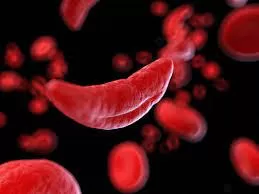
Sickle cell disease is an inherited blood disorder characterized by a mutation in the hemoglobin gene. In a healthy individual, red blood cells are flexible and round, moving easily through blood vessels. In those with SCD, these cells become rigid and crescent-shaped—like a “sickle.”
These malformed cells can get stuck in small blood vessels, blocking blood flow and oxygen delivery to the body. This leads to:
-
Vaso-occlusive Crises: Intense, debilitating pain that often requires hospitalization.
-
Chronic Anemia: Fatigue and shortness of breath due to the short lifespan of sickle cells.
-
Organ Damage: Increased risk of stroke, kidney failure, and “acute chest syndrome,” a life-threatening lung condition.
In India, the prevalence of the Sickle Cell Trait (SCT)—where a person carries one mutated gene but usually shows no symptoms—ranges from 1% to 40% in certain tribal communities, such as the Bhil and Garasiya tribes. When two carriers marry, there is a 25% chance with each pregnancy that their child will inherit the full disease.
A Massive Logistical Undertaking
The mission targets individuals aged 0 to 40 across 278 districts. By utilizing Point-of-Care Testing (POCT)—rapid tests that provide results on-site—health workers have been able to penetrate remote forest hamlets that were previously underserved.
According to the Ministry of Health and Family Welfare, the strategy rests on a “Three Pillar” framework:
-
Health Promotion: Massive awareness campaigns to de-stigmatize the condition.
-
Universal Screening: Identifying both patients (those with the disease) and carriers (those with the trait).
-
Holistic Management: Providing folic acid supplementation, hydroxyurea treatment, and crisis management through the primary healthcare system.
To support these efforts, the government has established 17 Centres of Excellence (CoE) across 15 states to provide advanced diagnostics and specialized training for medical staff.
Expert Insights: From Detection to Prevention
“Screening nearly 7 crore people in tribal areas is a transformative achievement for Indian public health,” says Dr. D. S. Poonam, a hematologist at AIIMS Bhopal who has observed the mission’s rollout. “The feasibility of using POCT in remote settings, as seen in recent Rajasthan studies, has changed the game. Early detection allows us to start prophylactic treatments that can prevent the most severe complications of the disease.”
Beyond clinical care, the distribution of nearly 4 crore genetic status cards is seen as a social intervention. These cards color-code an individual’s status, helping families make informed decisions regarding marriage and prenatal planning.
“The genetic cards foster informed choices,” Dr. Poonam adds. “In high-prevalence groups like the Garasiya, where combined trait and disease prevalence can exceed 15%, this counseling could potentially halve the transmission of the disease within a generation.”
Public Health Implications and Practical Advice
For the general public and health-conscious consumers, the progress of the NSCAEM highlights several key health takeaways:
-
Know Your Status: For those in high-prevalence states (including Madhya Pradesh, Gujarat, Odisha, and Maharashtra), screening is the first line of defense.
-
Marriage Counseling: Understanding “genetic compatibility” regarding SCD can prevent the birth of children with the severe form of the disease.
-
Early Intervention: For those diagnosed with SCD, regular follow-ups and nutritional support via programs like Mission Poshan 2.0 can significantly improve quality of life and longevity.
“The integration of this mission with the National Health Mission (NHM) ensures that the screening isn’t a one-time event but part of a continuous care loop,” notes Dr. Rajib Das, a public health expert at TMC Mumbai. “However, the real test will be the sustained funding of these Centres of Excellence to manage the lakhs of patients we are now identifying.”
Challenges on the Path to 2047
Despite the momentum, the road to 2047 is not without hurdles. The COVID-19 pandemic initially slowed screening efforts, and reaching the “last mile” in dense tribal forest regions remains a logistical challenge.
Furthermore, medical experts caution against the stigma associated with the Sickle Cell Trait. There are concerns that being identified as a “carrier” could lead to social discrimination in marriage markets. “Sensitive, community-based counseling is as important as the medical test itself,” Dr. Das emphasizes.
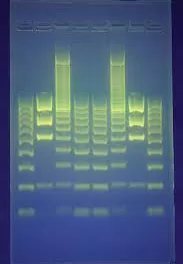
Critics have also called for expanding screening to high-risk non-tribal groups and ensuring that laboratory confirmation (via HPLC testing) keeps pace with the rapid screening kits to avoid false positives.
Looking Ahead
As India nears its immediate target of 7 crore screenings, the government is looking to intensify the counseling phase of the mission. Future efforts are expected to focus on patient support groups and research into more affordable gene therapies, which currently remain out of reach for the vast majority of the affected population.
For the millions of people in India’s tribal heartlands, these 6.97 crore screenings represent more than just a statistic—they represent a chance at a life free from the “crisis” of sickle cell.
Medical Disclaimer
This article is for informational purposes only and should not be considered medical advice. Always consult with qualified healthcare professionals before making any health-related decisions or changes to your treatment plan. The information presented here is based on current research and expert opinions, which may evolve as new evidence emerges.
References
-
National Sickle Cell Anaemia Elimination Mission. Ministry of Health & Family Welfare, Government of India. https://sickle.nhm.gov.in