 0
0
 0
0
AHMEDABAD — In a milestone for Indian medical infrastructure, the FRIGE’s Institute of Human Genetics has established the nation’s first national biobank dedicated to Rare Lysosomal Storage Disorders (LSDs). This Gujarat-based facility, the culmination of 22 years of research and strategic government funding, aims to dismantle the “diagnostic odyssey” faced by thousands of families. By integrating biological samples with deep clinical data, the biobank is poised to accelerate the development of affordable indigenous diagnostics and future gene therapies.
The “Silent” Burden: Understanding LSDs in India
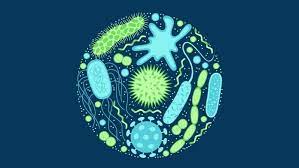
Lysosomal Storage Disorders (LSDs) are a group of approximately 50 rare inherited metabolic disorders. They occur when specific enzymes within the lysosome—the cell’s recycling center—are missing or deficient. This leads to a toxic buildup of substances, causing progressive damage to the brain, liver, bones, and heart.
While each disorder is individually rare, their collective impact in India is staggering. Estimates from the Organisation for Rare Diseases India (ORDI) and the Ministry of Health suggest that between 70 and 96 million Indians live with a rare disease. Because these conditions are often genetic and manifest in early childhood, the lack of centralized data has historically led to high rates of misdiagnosis and astronomical treatment costs.
Inside the Biobank: A National Resource
Housed in Ahmedabad, the biobank currently integrates samples and clinical profiles from over 530 patients across 15 states. It is not merely a storage site for DNA; it is a sophisticated data-linking hub.
-
Scale: The repository draws data from 28 different medical institutions nationwide.
-
Technology: Backed by the Gujarat State Biotechnology Mission (GSBTM), the institute developed a pioneering molecular probe–based sequencing panel. This allows clinicians to screen for 19 different LSDs simultaneously.
-
Population Specificity: By studying Indian-specific mutations, researchers can create diagnostic kits tailored to the local genetic landscape, rather than relying on expensive western-centric models.
“A national biobank dedicated to these disorders means that even if families cannot immediately afford comprehensive genetic tests today, their samples can be preserved,” says Dr. Priya Menon, a clinical geneticist not involved in the project. “This infrastructure turns scattered, one-off cases into a collective dataset that drives national policy.”
Shortening the “Diagnostic Odyssey”
For the average Indian family dealing with a rare disease, the path to a diagnosis takes an average of seven years and multiple specialist visits. The biobank addresses this “odyssey” through retrospective analysis. As genomic science evolves, researchers can revisit stored samples to identify previously unknown mutations without requiring the patient to undergo new, costly procedures.
Practical Implications for Families:
-
Earlier Intervention: Rapid diagnosis allows for supportive care before irreversible organ damage occurs.
-
Informed Family Planning: Identifying specific genetic markers allows for accurate carrier testing and prenatal counseling for future pregnancies.
-
Therapeutic Access: The biobank provides a ready cohort of patients for clinical trials, a critical step in bringing new “orphan drugs” to the Indian market.
The Road to Affordable Therapy
The most significant barrier to rare disease care in India remains the cost. Many LSDs require Enzyme Replacement Therapy (ERT), which can cost tens of lakhs of rupees annually—well beyond the reach of most households.
The Gujarat biobank is a direct response to this crisis. By identifying common Indian mutations, the facility is working with state authorities to develop low-cost diagnostic kits. Furthermore, the data serves as a foundation for indigenous gene therapy research. If these therapies can be manufactured locally, the dependence on multi-million dollar imported drugs could diminish significantly over the next decade.
Challenges and Ethical Guardrails
Despite the optimism, experts urge caution regarding data governance. Bioethicists emphasize that large-scale genetic repositories must maintain:
-
Stringent Informed Consent: Ensuring donors understand how their genetic “blueprint” will be used in future research.
-
Equity of Access: Preventing a scenario where research is subsidized by the public but the resulting treatments remain accessible only to the wealthy.
-
Representation: Ensuring the biobank includes samples from diverse socio-economic and regional backgrounds to avoid “genomic bias.”
Furthermore, a biobank cannot function in a vacuum. “It is not a substitute for treatment funding,” Dr. Menon notes. While the biobank provides the scientific foundation, India still faces a shortage of trained geneticists and fragmented referral pathways in rural areas.
What This Means for Your Health
For the general public, the emergence of this biobank underscores the increasing role of genomics in routine medicine.
-
For Parents: Persistent, unexplained symptoms in children (such as developmental delays or unusual organ enlargement) should prompt a discussion with a pediatrician about genetic screening.
-
For the Healthcare System: This initiative marks a shift in seeing rare diseases not as “orphans,” but as a public health priority requiring a coordinated national response.
As this facility scales, its success will be measured not just by the number of samples in its freezers, but by the number of Indian children who receive a diagnosis in weeks rather than years.
Medical Disclaimer: This article is for informational purposes only and should not be considered medical advice. Always consult with qualified healthcare professionals before making any health-related decisions or changes to your treatment plan. The information presented here is based on current research and expert opinions, which may evolve as new evidence emerges.
References
Institutional & News Reports
-
ETHealthWorld / Economic Times Health. (2026). “Gujarat-Based Biobank Powers India’s Fight Against Rare Diseases.”