 0
0
 0
0
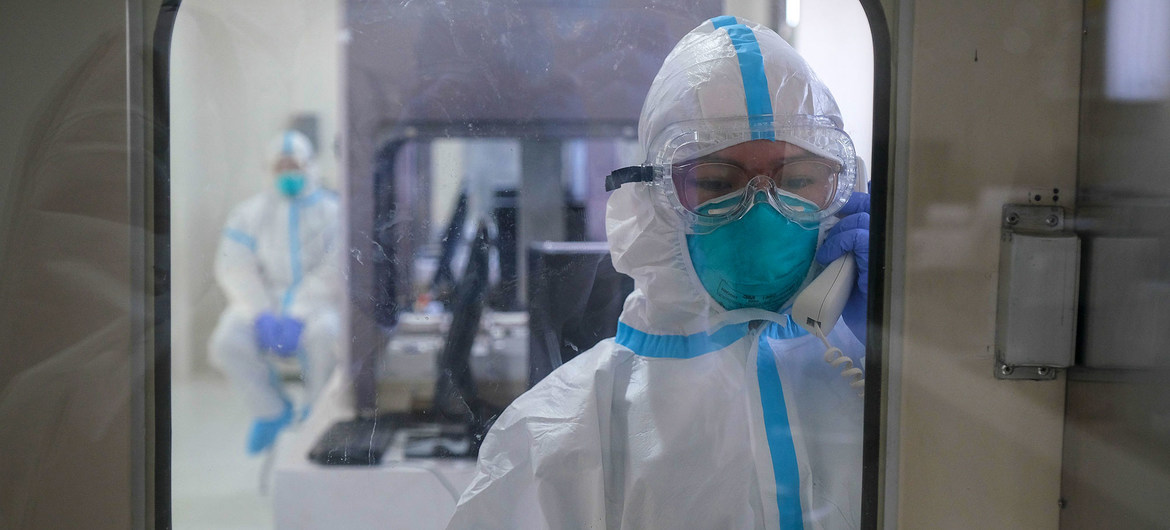
BHUBANESWAR, ODISHA — In a major development for healthcare infrastructure in eastern India, the Institute of Medical Sciences (IMS) & SUM Hospital in Bhubaneswar announced the launch of Odisha’s first comprehensive, in-house molecular diagnostics and genomics laboratory. Hospital leadership confirmed in early July 2026 that the new facility, located directly on the IMS & SUM campus, is fully operational. The milestone is poised to fundamentally alter the regional healthcare landscape by drastically shortening diagnostic turnaround times and expanding local access to cutting-edge precision cancer care, rare disease screening, and advanced genetic testing.
For years, patients in Odisha requiring advanced genetic profiling faced grueling logistical delays, as clinical samples routinely had to be shipped to distant reference laboratories in metropolitan hubs like Mumbai, Delhi, or Bengaluru. By integrating next-generation sequencing (NGS) and advanced molecular assays under one roof, the newly established facility eliminates these out-of-state transit bottlenecks, allowing local clinicians to make critical, data-driven treatment decisions in a fraction of the time.
Bringing Next-Generation Diagnostics Local
The core advancement of the new laboratory lies in its ability to perform high-throughput genomic mapping locally. Historically, the reliance on external reference centers meant that cancer patients and families seeking answers for rare congenital conditions faced wait times spanning several weeks just to receive raw diagnostic data.
According to hospital statements, the in-house laboratory provides specialized NGS-based genomic panels designed to pinpoint precise genetic mutations within tumors, as well as comprehensive screening for hereditary disorders. By bypassing the sample-transit phase, the hospital aims to deliver clinically actionable data swiftly—a factor that is often a matter of life or death in aggressive oncological cases.
Medical Superintendent Dr. Pusparaj Samantasinghar highlighted the strategic importance of the infrastructure upgrade, noting that the reduction in turnaround times directly translates to faster initiation of targeted medical therapies. Beyond immediate clinical care, hospital officials emphasized that the facility will serve as a vital hub for advanced medical research and postgraduate training, elevating the academic capabilities of the attached medical college.
The Shift to Precision Medicine
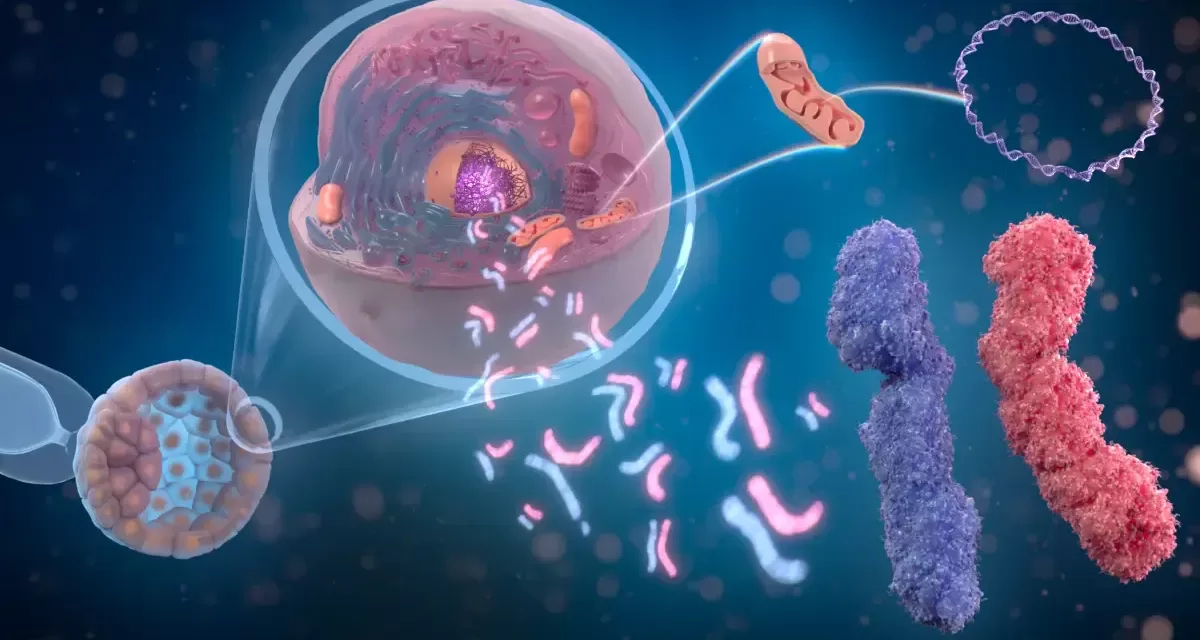
To fully appreciate the impact of this facility, it helps to look at how modern oncology has evolved. Traditional cancer treatments like chemotherapy generally target rapidly dividing cells uniformly throughout the body. Precision medicine, by contrast, looks at the specific “instruction manual” or DNA of an individual patient’s tumor.
[Patient Tissue/Blood Sample]
       │
       ▼
[In-House NGS Sequencing] ──► Identifies Actionable Mutations (e.g., EGFR, BRCA1/2)
       │
       ▼
[Molecular Tumor Board] ────► Tailors Targeted Therapy or Immunotherapy
By identifying the exact genetic alterations driving a malignancy—such as an EGFR mutation in lung cancer or BRCA1/2 mutations in breast and ovarian cancers—oncologists can select highly targeted therapies or immunotherapies designed to disable those specific pathways. This tailored approach typically yields higher efficacy and fewer systemic side effects than broad-spectrum treatments.
Expert Perspectives: Infrastructure Meets Rigorous Standards
While the launch has been met with enthusiasm across the state, independent laboratory medicine specialists urge a balanced perspective on what it takes to maintain such an advanced facility.
“Establishing an in-house genomics lab is an excellent structural milestone, but the hardware is only the first step,” says Dr. Anita Nair, an independent molecular pathologist and laboratory consultant based in New Delhi, who was not involved in the project. “The real-world clinical utility of next-generation sequencing relies entirely on the invisible infrastructure: validated pipelines, robust bioinformatics to filter out benign variants, and continuous external quality assurance.”
National professional bodies, including the National Accreditation Board for Testing and Calibration Laboratories (NABL), emphasize that clinical genomics facilities must strictly adhere to international proficiency testing programs. Without rigorous quality control, the risk of false positives or misinterpreted genetic variants can lead to inappropriate clinical interventions.
Furthermore, experts point out that a genomic report is only as good as the team interpreting it. Translating billions of base pairs of genetic data into a practical prescription requires close collaboration between molecular pathologists, bioinformaticians, and treating oncologists—often organized as a multidisciplinary “Molecular Tumor Board.”
Public Health Implications and the Access Gap
From a public health standpoint, the IMS & SUM genomics laboratory offers a rare opportunity to gather localized genetic data. Historically, global and even national genomic databases have underrepresented populations from eastern India. Localized sequencing will allow researchers to identify regional genetic variations, paving the way for the design of region-specific diagnostic panels and better epidemiological tracking of rare genetic diseases.
However, public health advocates note that advanced technology does not automatically guarantee equitable health outcomes. Genomics panels and the targeted therapies they unlock remain notoriously expensive.
The Cost Barrier: Across India, out-of-pocket expenditure accounts for a significant portion of healthcare costs. If genomic testing and subsequent targeted drugs remain unsubsidized or uncovered by state insurance schemes like the Biju Swasthya Kalyan Yojana (BSKY), the benefits of this laboratory may remain restricted to affluent demographics.
Realities and Practical Limitations
As clinicians begin utilizing the new laboratory, medical community leaders emphasize managing expectations. Even when the laboratory identifies a clear, actionable mutation, barriers to care can persist.
Many of the newest targeted therapies and clinical trial drugs are subject to stringent regulatory approvals, high import duties, or supply chain bottlenecks within India. A rapid diagnostic report shortens the path to an answer, but it does not inherently guarantee that the required medication will be affordable or physically available to the patient.
Additionally, the long-term viability of the laboratory will depend on a steady, uninterrupted funding stream for specialized chemical reagents, continuous hardware maintenance, and the retention of highly specialized technical staff capable of running complex NGS platforms.
Practical Takeaways for Clinicians and Patients
For medical professionals in Odisha, the opening of this lab means it is time to reassess referral pathways. Clinicians should engage with the facility to review their validated clinical panels, ensure their testing methodologies align with international standards, and utilize the shortened turnaround windows to fast-track patients into appropriate treatment protocols.
For patients and families facing a complex diagnosis:
-
Ask Questions: A local lab means faster results, but you should still ask your healthcare team about the specific relevance of the ordered test, the total out-of-pocket cost, and how the results will alter the treatment roadmap.
-
Seek Counseling: Genetic information can have far-reaching implications, not just for the individual, but for biological relatives. Ensure that pre- and post-test genetic counseling is integrated into the care plan.
-
Focus on Collaboration: Realize that a genomic test is a tool, not a cure. The most effective outcomes occur when these reports are analyzed collaboratively by a multidisciplinary tumor board to tailor treatment specifically to you.
Reference Section
Study & Institutional Citations
-
IMS & SUM Hospital Infrastructure Profile: Academic and clinical service capabilities roadmap, Siksha ‘O’ Anusandhan (Deemed to be University) Media Materials, 2026.
- Medical Disclaimer: This article is for informational purposes only and should not be considered medical advice. Always consult with qualified healthcare professionals before making any health-related decisions or changes to your treatment plan. The information presented here is based on current research and expert opinions, which may evolve as new evidence emerges.