 0
0
 0
0
NEW DELHI — In a move that highlights growing tensions within India’s medical education framework, the National Board of Examinations in Medical Sciences (NBEMS) is set to establish a review panel following widespread protests over the recently concluded Foreign Medical Graduate Examination (FMGE) June 2026 session.
The regulatory intervention follows days of intense lobbying by medical student associations. Candidates who took the high-stakes screening test on June 28, 2026, have flagged an unexpectedly grueling exam format alongside severe logistical failures at multiple examination hubs. With results legally slated for release by July 28, 2026, the board finds itself under pressure to balance structural standards with basic structural accountability.
The Core Deficit: Infrastructure and Intricate Papers
The FMGE is a mandatory statutory requirement administered twice a year by the NBEMS. For Indian citizens and Overseas Citizens of India (OCI) who earn their primary medical degrees abroad, passing this examination is the only legal pathway to secure provisional or permanent registration with the National Medical Commission (NMC) and state medical councils, allowing them to practice medicine domestically.
For the June 2026 cycle, applications were processed between April 21 and May 11, leading up to the June 28 test day. However, immediate post-exam feedback shifted from standard performance anxiety to systemic grievance.
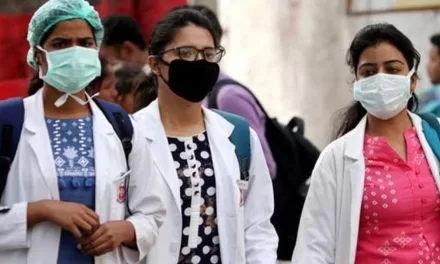
Student unions and medical bodies filed formal complaints citing an intensely demanding testing environment. At a prominent test centre in Noida, candidates reported non-functional air conditioning units and virtually non-existent ventilation, forcing students to sit for a lengthy, complex medical assessment in ambient temperatures hovering near 40 degrees Celsius. Reports emerged of several candidates experiencing heat exhaustion and fainting mid-examination.
Compounding the physical distress was a major shift in the examination’s structural blueprint. According to candidate reports forwarded by student representatives, the June 2026 paper introduced a significantly higher proportion of clinical, case-based vignettes, complex image-based questions, and video-based scenarios. Aspiring doctors argued that these formatting changes were not clearly signposted in the official advance information bulletins, causing severe issues with time management and placing a distinct, unexpected psychological burden on test-takers.
Pass Rate Pressure and the 150-Mark Threshold
The gravity of the structural adjustments is underscored by historical and contemporary performance data. According to preliminary reports on the session’s outcomes, the pass rate for the June 2026 exam plummeted to just 12.78%. Out of 36,280 foreign medical graduates who appeared for the screening test, only 4,635 managed to cross the qualifying threshold.
FMGE June 2026 Performance Breakdown:
Total Candidates Appeared: 36,280
Total Candidates Passed:    4,635 (12.78%)
Total Candidates Failed:   31,645 (87.22%)
Under current NBEMS guidelines, the FMGE is a non-competitive, absolute-cutoff exam. Candidates must score a minimum of 150 out of 300 marks to qualify. Because the scoring is binary—pass or fail—missing the mark by a single point delays a medical graduate’s career by at least six months, pausing their entry into the domestic healthcare workforce.
The Foreign Medical Graduates wing of the Tamil Nadu Students Association publicly categorized the revamped blueprint as “mentally taxing,” emphasizing that while medical rigor is expected, changing the fundamental nature of the questions without institutional warnings unfairly penalizes candidates.
Public Health Implications and Independent Perspectives
The decision by the NBEMS to constitute an investigative panel indicates an acknowledgment that the complaints require administrative evaluation. The resolution of this row carries distinct public health implications; India continues to navigate local shortages in medical personnel, particularly in rural and tertiary healthcare sectors. Foreign medical graduates who return home represent a vital pipeline to fill residency and internship vacancies in public and private hospitals.
Medical education specialists argue that the current controversy stems from a failure to separate the concepts of examination difficulty from examination equity.
“Any professional examination designed to license medical practitioners must evaluate clinical knowledge under highly standardized, uniform conditions,” noted a senior medical educator and former university dean, who spoke on the condition of anonymity. “When a testing environment suffers from inadequate cooling, poor ventilation, or deficient basic infrastructure, the exercise ceases to be a fair evaluation of clinical competence and instead devolves into an arbitrary stress test. This is particularly problematic in a high-stakes scenario where one raw mark dictates professional delay.”
From a broader public health standpoint, independent experts also emphasize that a low pass percentage is not inherently indicative of an unfair evaluation tool. Historically, low success rates in the FMGE have frequently been attributed to fundamental gaps in international medical curricula, varying levels of clinical exposure in certain foreign medical institutions, and unfamiliarity with the specific multiple-choice screening formats used in India.
Policy Realities and Actionable Insights for Aspirants
While the panel’s review could lead to structural adjustments or stricter mandates for third-party exam vendors, the official NBEMS information bulletin maintains rigid legal protections for the board. The framework explicitly dictates that the NBEMS reserves absolute rights to alter the examination schedule, testing patterns, operational policies, and administrative guidelines at its discretion. Furthermore, the bulletin reiterates that merely appearing in or passing the FMGE does not automatically confer registration rights, which remain under the jurisdiction of the NMC.
For future medical aspirants planning for subsequent sessions, the developing situation underscores several key behavioral strategies:
-
Track Official Bulletins Directly: Rely exclusively on formal NBEMS notifications rather than institutional precedents or historical trends, as the board maintains broad legal authorization to modify exam patterns dynamically.
-
Strict Application Compliance: Ensure meticulous adherence to official timelines and edit windows, as deficient applications are summarily rejected without recourse.
-
Broaden Clinical Preparation: Future candidates should actively integrate video, image, and long-form case studies into their core study strategies, moving away from simple rote memorization to align with the board’s apparent pivot toward clinical problem-solving.
Structural Limitations of the Row
Industry analysts note that definitive conclusions cannot be drawn until the newly proposed panel delivers its official technical audit. Currently, the evidence regarding physical test centre failures and conceptual imbalances remains largely tied to qualitative reports from student bodies, organizational letters, and media accounts rather than formalized, independent technical reviews.
The ultimate challenge for the NBEMS panel will be determining whether the steep decline in the June 2026 pass rate was a legitimate reflection of elevated clinical standards, a consequence of diminished cognitive performance caused by substandard test-centre environments, or a combination of both variables. Balancing the maintenance of strict medical licensing standards with a transparent, humane testing infrastructure remains paramount to ensuring public trust in India’s medical pipeline.
Reference Section
-
-
“FMGE 2026: Candidates allege tough exam, poor centre facilities.” Careers360, June 28, 2026. Chronological reporting on post-examination candidate feedback and paper difficulty.
- Medical Disclaimer: This article is for informational purposes only and should not be considered medical advice. Always consult with qualified healthcare professionals before making any health-related decisions or changes to your treatment plan. The information presented here is based on current research and expert opinions, which may evolve as new evidence emerges.
-