 0
0
 0
0
KOZHIKODE, Kerala — A high-level team of scientists from the Indian Council of Medical Research (ICMR) arrived in Kozhikode on Saturday, June 13, 2026, to spearhead containment efforts following the confirmation of a Nipah virus case in the region. The incident marks Kerala’s first Nipah outbreak of 2026 and the 11th such episode in the state since the lethal pathogen first emerged locally in 2018.
Amid intense public anxiety, state health officials provided a crucial, reassuring update: three close relatives of the infected patient have tested negative for the virus, offering early hope that rapid isolation protocols may be successfully curbing immediate community transmission.
The patient, a 43-year-old male soap manufacturer from Ramanattukara, was shifted to the Government Medical College Hospital after showing severe symptoms. Preliminary diagnostic tests indicated a Nipah infection, which was subsequently verified by the apex National Institute of Virology (NIV) in Pune. As of Saturday evening, state authorities have placed 87 individuals who came into contact with the patient under strict medical surveillance.
Inside the Rapid Response: Containment and “Labs on Wheels”
Upon arrival, the specialized ICMR team held emergency briefings with Revenue Minister A P Anil Kumar, who is currently overseeing operations in the district, alongside clinical directors and local administrative leaders. The federal experts are projected to camp in Kozhikode for several days to optimize field epidemiology and tracing vectors.
A breakdown of the active clinical investigation shows the highly targeted nature of the current containment strategy:
| Metric / Aspect | Active Case Profile & Surveillance Status |
| Patient Demographics | 43-year-old male, resident of Ramanattukara, Kozhikode |
| Clinical Status | Critical; currently on mechanical ventilator support in the Intensive Care Unit (ICU) |
| Suspected Exposure Source | Cleaning an old warehouse at Puthukad in the neighboring Malappuram district |
| Total Surveillance Pool | 87 individuals identified and actively tracked |
| Risk Stratification | 2 classified as highest risk; 13 classified as high risk |
| Early Diagnostic Relief | 3 immediate family members confirmed negative in initial testing rounds |
The patient’s immediate nuclear family—including his wife, two children, and both parents—remain under strict quarantine despite the initial negative results, as the virus can have variable incubation periods. Preliminary tracing indicates the patient was likely exposed to the pathogen while clearing out an old, disused warehouse utilized for his soap manufacturing business, pointing toward an environmental source.
A cornerstone of India’s modernized outbreak defense is the local deployment of ICMR’s mobile Biosafety Level-3 (mBSL-3) laboratory. Stationed directly in Kozhikode, this specialized vehicle is the first of its kind in South Asia.
“We have mobile laboratories deployed so that instead of samples being flown to distant central laboratories, the laboratory itself can be sent directly to the location of an outbreak,” explained Dr. Rajiv Bahl, Director General of ICMR, in a previous brief on the country’s proactive infrastructure.
By eliminating the transit logistics of highly infectious samples, the “lab on wheels” slashes the diagnostic turnaround time to a mere 4 hours, allowing public health workers to implement isolation measures almost instantly. Officials from the National Centre for Disease Control (NCDC) are also arriving to reinforce local teams, while Minister Anil Kumar has ordered local medical facilities to ensure an uninterrupted supply of personal protective equipment (PPE) and supportive medications.
Anatomy of the Threat: How Nipah Spreads
The World Health Organization (WHO) classifies the Nipah virus as a high-priority zoonotic pathogen (a virus transmitted from animals to humans) due to its high mortality rate and a severe lack of specialized treatments.
[Natural Reservoir: Fruit Bats]
       │
       ├──► Direct Contact: Secretions, saliva, or urine
       ├──► Contaminated Food: Raw date palm sap, bitten fruits
       │
       └──► [Human Index Case]
                  │
                  └──► Person-to-Person: Respiratory droplets, bodily fluids
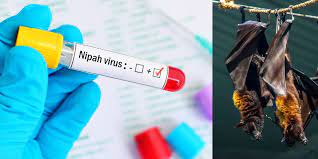
Fruit bats of the Pteropodidae family, commonly known as flying foxes, are the natural reservoirs of the virus. Transmission to humans typically happens via three distinct pathways:
-
Animal to Human: Direct contact with infected bats, domestic pigs, or their bodily fluids.
-
Foodborne: Consuming fruits or agricultural products—such as raw date palm sap—contaminated with the saliva or urine of infected bats.
-
Human to Human: Direct, unprotected contact with the respiratory droplets, blood, or urine of an infected person, typically in household or healthcare settings.
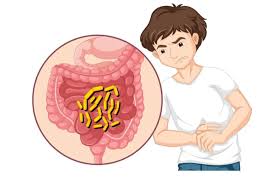
Once contracted, the virus can trigger severe acute respiratory distress and encephalitis (dangerous swelling of the brain). Historically, Nipah outbreaks carry a harrowing global case fatality rate fluctuating between 40% and 75%, depending heavily on local healthcare infrastructure and how quickly supportive treatment is initiated.
Public Health Measures and Clinical Realities
Because the virus strain driving past Kerala outbreaks matches lineages found in Bangladesh—where the virus re-emerges almost annually—local health workers have developed a structured playbook.
Current interventions deployed across Kozhikode include intensive house-to-house health surveillance within the patient’s neighborhood, the establishment of dedicated isolation blocks at the Government Medical College Hospital, and heightened clinical screening across neighboring districts.
Despite these advanced containment measures, doctors face a steep uphill battle inside the ICU. There are currently no globally licensed vaccines or targeted antiviral drugs available to cure a Nipah infection. Clinical management relies entirely on intensive supportive care:
-
Neurological & Respiratory Support: Continuous monitoring and mechanical ventilation for patients suffering from severe brain inflammation or acute respiratory failure.
-
Symptom Management: Precise administration of anti-epileptic medications to control viral-induced seizures.
-
Fluid Maintenance: Aggressive intravenous hydration therapy to prevent dehydration and metabolic imbalances.
Analytical Outlook: Localizing the Risk
While a confirmed case of a priority pathogen is always a serious public health event, international experts urge measured calm rather than panic.
“Based on available information, the current outbreak does not appear larger or more severe than previous Nipah outbreaks,” notes Dr. Piero Olliaro, Professor of Poverty Related Infectious Diseases at the University of Oxford. “Similar past outbreaks have involved small, localized clusters with limited human-to-human transmission.”
The WHO currently assesses the public health risk as moderate at the sub-national level in Kerala—owing to the established natural presence of fruit bat reservoirs—while the overall national and global risk ratings remain low. Because Nipah does not spread efficiently through the air like influenza or SARS-CoV-2, sustained community transmission is highly unlikely as long as strict barrier nursing and contact tracing are maintained.
Practical Guidance for Communities and Clinicians
For health-conscious citizens in Kerala and its bordering regions, public health authorities emphasize standard, highly effective preventive behaviors:
-
Avoid Raw Sap: Do not consume raw date palm sap or toddy collected from open containers in regions where fruit bats roost.
-
Inspect and Wash Fruits: Thoroughly wash, peel, and cook fruits. Inspect produce carefully and immediately discard any fruits showing signs of animal bites or claw marks.
-
Rigorous Hand Hygiene: Maintain routine handwashing with soap and water or use an alcohol-based sanitizer with at least 60% alcohol content, particularly before preparing or consuming food.
-
Seek Timely Care: If an individual develops a sudden high fever, severe headache, cough, or difficulty breathing after potential exposure, they should contact local public health channels immediately rather than visiting a crowded outpatient clinic unannounced.
For healthcare professionals, this deployment reinforces the crucial value of early suspicion. While the presence of South Asia’s first mobile BSL-3 laboratory dramatically reduces diagnostic bottlenecks, the frontline defense still relies entirely on clinicians recognizing early syndromic patterns, implementing immediate respiratory isolation, and wearing appropriate PPE before a formal diagnosis is confirmed.
Medical Disclaimer
This article is for informational purposes only and should not be considered medical advice. Always consult with qualified healthcare professionals before making any health-related decisions or changes to your treatment plan. The information presented here is based on current research and expert opinions, which may evolve as new evidence emerges.
References
- https://health.economictimes.indiatimes.com/news/policy/icmr-team-reaches-kozhikode-after-nipah-outbreak-relatives-of-patient-test-negative/131704180?utm_source=top_story&utm_medium=homepage