 0
0
 0
0
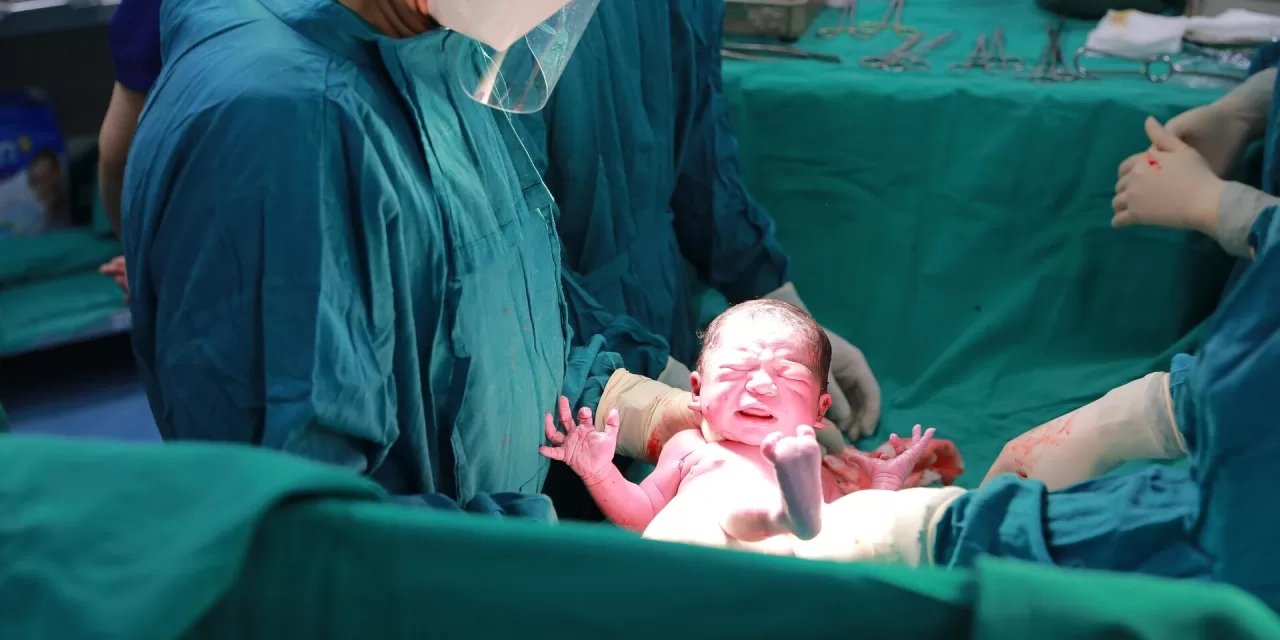
JODHPUR, RAJASTHAN — A high-level administrative and medical inquiry has been launched after eight women who underwent Caesarean section surgeries at the Paota District Hospital in Jodhpur on June 20 developed severe post-operative complications. Authorities confirmed that six of the patients are currently receiving treatment at the local district facility for suspected septicemia, while two others have been transferred to the intensive care units of Mathuradas Mathur (MDM) Hospital due to critical kidney-related complications.
The incident has triggered an immediate public health response across the state, prompting the temporary sealing of the hospital’s primary operation theatre and the seizure of surgical supplies for laboratory analysis.
Key Developments and Immediate Clinical Response
The crisis unfolded rapidly on June 20, when eight postpartum patients exhibited a sudden and severe deterioration in health shortly after their surgical deliveries. According to local health officials, the patients began presenting with acute symptoms, including dangerously low blood pressure (hypotension) and excessive post-operative bleeding.
As the clinical situation escalated, hospital administrators initiated emergency protocols. The patients were stabilized, and diagnoses of suspected septicemia—a severe, life-threatening bloodstream infection—and acute kidney injury (AKI) were provisionally established.
To isolate the source of the suspected contamination, the operation theatre where the procedures took place was immediately shuttered. Investigators have collected extensive clinical and environmental samples, including:
-
Blood and tissue cultures from the affected patients
-
Batches of intravenous (IV) fluids used during the surgeries
-
Anesthetic agents and surgical medications
-
Sterilized instruments and equipment utilized by the surgical teams
These samples have been dispatched to state laboratories, with comprehensive microbiological and chemical toxicology results expected within several days.
Expert Context on Surgical Complications
Post-operative sepsis and acute kidney injury represent major, systemic clinical crises. Sepsis occurs when the body’s immune system overreacts to an infection, triggering widespread inflammation that can lead to organ failure and a catastrophic drop in blood pressure, known as septic shock. When blood flow to vital organs is compromised, the kidneys are often the first to suffer damage, resulting in acute kidney injury.
“When multiple surgical patients deteriorate simultaneously with identical symptoms, it strongly points to a shared environmental or pharmaceutical trigger rather than isolated patient risk factors,” says Dr. Anita Sharma, an infectious disease specialist based in New Delhi, who is not involved in the Jodhpur inquiry.
“A cluster like this typically indicates a critical breakdown in infection control. This can stem from unsterile surgical instruments, contaminated batches of intravenous fluids, or compromised perioperative medications. Finding the root cause requires a meticulous, step-by-step epidemiological investigation.”
This incident follows previous medical cluster events reported in Rajasthan, specifically within the cities of Kota and Bikaner earlier this year. In those instances, state health investigations focused heavily on hospital infection control frameworks, supply-chain monitoring, and the chemical purity of manufactured IV fluids, emphasizing the vulnerability of regional healthcare supply chains.
Public Health Implications and Systemic Concerns
A cluster of severe complications emerging from a single operating theater raises immediate red flags for public health administrators. It indicates potential systemic vulnerabilities, such as a breach in standard sterilization (asepsis) protocols, contaminated medical supplies, or gaps in continuous post-operative monitoring.
According to hospital infection control frameworks established by national health authorities, the standard response to a surgical cluster includes:
| Phase | Action Item | Public Health Purpose |
| Immediate | Suspension of elective surgeries | Prevents further patient exposure to potential contaminants. |
| Clinical | Targeted broad-spectrum antimicrobial therapy | Treats suspected pathogens before lab cultures are finalized. |
| Regulatory | Notification of pharmaceutical suppliers and regulators | Triggers a recall if a specific batch of medication or fluid is defective. |
| Systemic | Re-training and audit of infection prevention protocols | Rectifies procedural gaps before the facility reopens. |
Limitations and Alternative Explanations
While suspicion currently leans toward external contamination, public health officials caution that the precise cause of the illnesses remains unconfirmed. Complex medical cases often involve multi-factorial origins.
For example, a cluster of low blood pressure and kidney issues can occasionally be traced back to severe intra-operative hemorrhaging across multiple difficult deliveries, or severe adverse drug reactions to a specific batch of anesthesia, rather than an active bacterial infection. Furthermore, individual patient comorbidities—such as pre-existing gestational diabetes, pre-eclampsia, or severe anemia—can exacerbate a patient’s vulnerability to post-surgical shock.
A definitive determination of liability and causation will require a multidisciplinary review that synthesizes microbiology reports, independent pharmacy testing, a thorough review of clinical charts, and detailed interviews with the attending medical staff.
What Patients and Families Need to Know
The immediate medical priority remains the stabilization of the eight affected mothers. Standard critical care for suspected sepsis and acute kidney injury involves the aggressive administration of intravenous fluids to maintain blood pressure, broad-spectrum antibiotics to combat potential pathogens, and, in severe cases of renal failure, temporary renal replacement therapy (dialysis) to filter toxins from the blood.
Critical Symptoms to Monitor
Families who have recently had relatives undergo surgical procedures at Paota District Hospital, or any facility undergoing clinical review, should remain vigilant. Seek emergency medical evaluation immediately if a post-operative patient exhibits any of the following warning signs:
-
High fever or uncontrollable chills
-
Rapidly increasing abdominal or incisional pain
-
Foul-smelling discharge from the surgical wound
-
Severe dizziness, confusion, or fainting spells
-
A noticeable decrease in urine output
-
Shortness of breath or rapid breathing
Institutional Accountability and Next Steps
The repeated occurrence of surgical clusters in Rajasthan has drawn sharp criticism from both civil society and political leaders. Former state officials have labeled the Jodhpur incident “extremely worrying,” citing it as a symptom of a broader decline in public medical standards.
In past incidents, central and state health authorities have dispatched specialized expert teams, including epidemiologists from the All India Institute of Medical Sciences (AIIMS), to conduct impartial technical audits. Public health advocates emphasize that transparent, evidence-based reporting of the final investigation findings is essential to restoring public trust in the regional healthcare ecosystem.
For hospital administrators and clinicians elsewhere, the Jodhpur crisis serves as a stark reminder to immediately audit sterilization logs, review pharmaceutical supply-chain records, and strictly enforce the World Health Organization (WHO) Surgical Safety Checklist to safeguard patient lives.
Medical Disclaimer
Medical Disclaimer: This article is for informational purposes only and should not be considered medical advice. Always consult with qualified healthcare professionals before making any health-related decisions or changes to your treatment plan. The information presented here is based on current research and expert opinions, which may evolve as new evidence emerges.
References
News and Incident Reports
-
“Eight post-caesarean mothers fall ill in Jodhpur; two in critical condition,” The New Indian Express, June 21, 2026.