 0
0
 0
0
Shimla, India | May 30, 2026
ABUJA, NIGERIA — The Nigerian federal government has officially placed 21 states and the Federal Capital Territory (FCT) on high or moderate alert following a sharp rise in Ebola cases across East and Central Africa. The announcement, made Thursday by the Nigeria Centre for Disease Control and Prevention (NCDC), establishes a proactive defense network designed to catch potential importations of the virus at the nation’s borders and transit hubs. Crucially, public health officials emphasize that Nigeria currently has zero confirmed or suspected cases of Ebola, and the current measures are strictly precautionary to prevent a repeat of the devastating regional crises of the past.
The aggressive stance comes on the heels of a declaration by the World Health Organization (WHO) on May 17, 2026, marking the ongoing crisis in the Democratic Republic of Congo (DRC) and Uganda as a Public Health Emergency of International Concern (PHEIC).
A Tiered Defense: Why Specific States are At Risk
Nigeria’s risk assessment is divided into two distinct tiers based on population density, international travel connections, and the porosity of land borders.
+-----------------------------------------------------------------------+
|                        NCDC RISK CLASSIFICATION                       |
+-----------------------------------------------------------------------+
| HIGH RISK                                                             |
| Lagos, FCT (Abuja), Rivers, Kano, Enugu, Borno, Akwa Ibom,           |
| Cross River, Taraba, Adamawa                                          |
|                                                                       |
| MODERATE RISK                                                         |
| Ogun, Nasarawa, Kaduna, Plateau, Kogi, Niger, Jigawa, Katsina,        |
| Bauchi, Ebonyi, Abia, Bayelsa                                         |
+-----------------------------------------------------------------------+
Ten states have been designated as high-risk zones. This includes Lagos—a mega-city of roughly 21 million people that serves as West Africa’s economic engine—and the FCT (Abuja). These regions boast major international airports, massive commercial transport hubs, and high population mobility. Border states like Borno, Taraba, and Adamawa are also under high alert due to porous frontiers where informal trade and migration are common.
An additional 12 states are classified as moderate-risk zones, requiring elevated, sustained surveillance and active communication channels with local healthcare facilities.
The Regional Context: The Bundibugyo Challenge
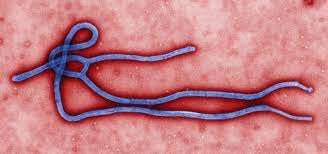
The current central African emergency presents a unique scientific hurdle: it is driven by the Bundibugyo virus strain. First identified in western Uganda less than two decades ago, the Bundibugyo strain is historically less common than the notorious Zaire strain, which fueled the devastating 2014–2016 West African epidemic.
Data from mid-May 2026 highlights the gravity of the situation in the epicenter:
-
Democratic Republic of Congo: The northeastern Ituri province has logged 246 suspected cases, 80 suspected deaths, and 8 laboratory-confirmed cases.
-
Uganda: Two cases have been confirmed in the capital city of Kampala among individuals arriving from the DRC, resulting in one fatality.
The Therapeutic Gap: While the Bundibugyo strain features a lower historical case fatality rate (25% to 40%) compared to the Zaire strain (which averages 50% and can spike to 90%), it possesses a critical operational challenge: there are no approved vaccines or targeted therapies for Bundibugyo. The widely deployed Ervebo (Merck) and Zabdeno/Mvabea (Johnson & Johnson) vaccines exclusively target the Zaire strain, leaving health teams reliant entirely on aggressive containment and supportive medical care.
Decoding Ebola: Transmission and Progressing Symptoms
Ebola virus disease (EVD) is a severe, often fatal systemic infection. It originates as a zoonotic disease—meaning it jumps from animals to humans—frequently via direct contact with fruit bats, non-human primates, or porcupines.
Once a human is infected, the virus spreads through community networks via:
-
Direct contact with the blood, secretions, or bodily fluids of an infected person.
-
Contact with contaminated surfaces, bedding, or medical equipment.
-
Vulnerabilities during traditional burial practices involving the handling of deceased individuals.
       [ TIMELINE OF PROGRESSION: 2 TO 21 DAY INCUBATION ]

  Day 0         Day 2 - 8                         Day 9+
  +-------------+---------------------------------+------------------------+
  | Exposure    | "Dry" Phase                     | "Wet" Phase            |
  |             | • Sudden high fever             | • Severe vomiting      |
  |             | • Intense headache              | • Chronic diarrhea     |
  |             | • Muscle & joint pain           | • Unexplained bleeding |
  |             | • Exhaustion & sore throat      | • Organ impairment     |
  +-------------+---------------------------------+------------------------+
Because early symptoms like fever and exhaustion mimic highly endemic regional diseases like malaria, typhoid, and influenza, diagnostic vigilance at clinics is paramount.
Institutional Memory: Lessons from 2014
While the current alert warrants serious attention, Nigeria is drawing upon a deeply established playbook. The current Director-General of the NCDC, Dr. Jide Idris, is uniquely equipped for this moment; he famously spearheaded the Lagos State response team during the 2014 outbreak.
In 2014, when an infected diplomat introduced Ebola into the heart of Lagos, public health modelers feared a catastrophic, uncontrollable explosion. Instead, swift contact tracing, aggressive isolation protocols, and rapid health worker education limited the impact to just 20 cases and 8 deaths.
“The 2014 Nigerian response confounded even the most optimistic disease modelers,” notes a historical review published by the National Institutes of Health (NIH). The rapid conversion of public health infrastructure into an Emergency Operations Centre (EOC) remains a gold standard in global epidemiology.
Dr. Idris reemphasized this structural readiness this week:
“Nigeria currently has no confirmed case of Ebola Virus Disease. However, while the country remains Ebola-free, our national Emergency Operations Centre has been activated into alert mode. Surveillance and preparedness activities continue aggressively across the country.”
Balancing the Perspectives: Vigilance vs. Panic
Independent public health experts stress that while West Africa must remain vigilant, the current threat level should not trigger public panic.
In its declaration, the WHO clarified that while the Central African outbreak constitutes a PHEIC due to cross-border risks, it does not display the epidemiological characteristics of a global pandemic threat. Furthermore, Nigeria’s existing laboratory networks, established during the 2014 outbreak and reinforced during the COVID-19 pandemic, mean the nation possesses robust diagnostic testing capabilities that did not exist twelve years ago.
However, massive blind spots remain. The primary driver of the current Central African outbreak is localized in eastern DRC—a region plagued by long-standing humanitarian crises, localized conflict, and a complex web of informal, unmonitored cross-border trade routes. Because many individuals seek care at informal community clinics rather than formalized hospitals, tracking the exact geographic footprint of the Bundibugyo strain remains difficult.
Guidance for the Public and Healthcare Providers
The NCDC advisory offers specific, actionable instructions designed to intercept the virus before it takes root:
-
For International Travelers: Anyone who has traveled to the DRC or Uganda within the last 21 days must monitor their health carefully. If a fever, severe headache, or gastrointestinal distress develops, isolate immediately, contact local health authorities, and explicitly disclose your travel history.
-
For High-Risk Communities: Residents in major transport corridors are urged to maintain rigorous hand hygiene with soap and water or alcohol-based sanitizers, avoid physical contact with individuals showing unexplained illnesses, and report unusual clustering of sickness to local chiefs or health boards.
-
For Frontline Healthcare Workers: Clinicians must maintain a high index of suspicion for any patient presenting with acute fever who has a history of regional travel. Standard Infection Prevention and Control (IPC) measures—including the universal use of Personal Protective Equipment (PPE) when handling bodily fluids—must be strictly enforced across all primary care facilities.
The NCDC continues to collaborate with the WHO and West African regional health blocks to monitor cross-border manifest data, promising to update risk profiles dynamically as field data changes.
Medical Disclaimer
Medical Disclaimer: This article is for informational purposes only and should not be considered medical advice. Always consult with qualified healthcare professionals before making any health-related decisions or changes to your treatment plan. The information presented here is based on current research and expert opinions, which may evolve as new evidence emerges.
References
- https://www.premiumtimesng.com/health/health-news/883510-fg-releases-names-of-21-states-fct-at-high-risk-of-ebola-infection-full-list.html