 0
0
 0
0
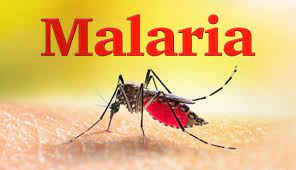
BALTIMORE — Leading scientists from the Johns Hopkins Malaria Research Institute issued a sobering warning this week: global efforts to eradicate malaria are at a “precarious crossroads.” Despite the historic rollout of two new life-saving vaccines, malaria cases and deaths are surging due to a “perfect storm” of drug resistance, climate change, and invasive mosquito species.
In a media briefing held on April 8, 2026, researchers revealed that global malaria cases climbed to 282 million in 2024—a 3% increase from the previous year. Deaths also rose to 610,000, with the overwhelming majority (95%) occurring in sub-Saharan Africa. Most tragic is the toll on the young: children under the age of five account for roughly 75% of all malaria fatalities.
“Malaria remains one of the big three global infectious diseases and is among the deadliest in human history,” said Jane M. Carlton, PhD, director of the Johns Hopkins Malaria Research Institute. “While we have saved millions of lives since 2000, biological adaptations by the parasite are now threatening to undo decades of progress.”
The Vaccine Paradox: Progress vs. Reality
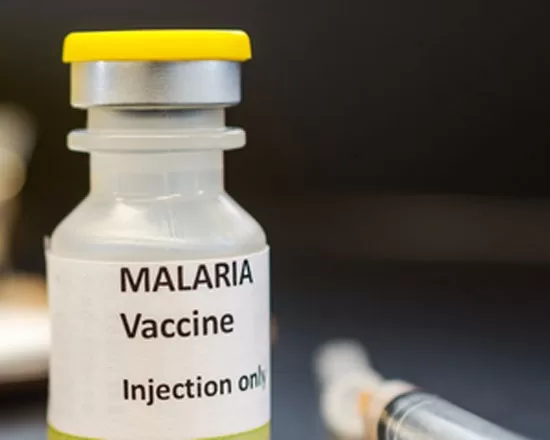
The recent introduction of the RTS,S/AS01 and R21/Matrix-M vaccines was hailed as a “holy grail” for public health. As of 2026, these vaccines are being integrated into routine immunization programs across 24 countries.
However, experts caution that these vaccines are not a “silver bullet.”
-
Efficacy: RTS,S shows approximately 30–36% effectiveness against severe malaria over time. While the R21 vaccine has demonstrated higher initial efficacy (up to 75–80%), it requires a rigorous four-dose schedule.
-
Logistics: “Vaccines don’t save lives; vaccinations save lives,” noted William Moss, MD, deputy director of the Institute. He emphasized that delivering four doses to children in remote, conflict-ridden, or climate-stressed regions remains a monumental logistical hurdle.
For now, these vaccines are primarily tools for pediatric protection in high-burden zones and are not yet recommended for international travelers.
A “Perfect Storm” of Biological Threats
The surge in cases is driven by several emerging biological threats that are making traditional tools less effective:
-
Drug Resistance: Resistance to artemisinin—the cornerstone of modern malaria treatment—has been confirmed in at least eight African countries, including Uganda and Tanzania. This mirrors the historical collapse of chloroquine, which led to a massive spike in deaths in the late 20th century.
-
The “Urban Invader”: A specific mosquito species, Anopheles stephensi, is spreading from Asia into African cities. Unlike traditional rural mosquitoes, this species thrives in urban water containers and is highly resistant to standard insecticides.
-
Diagnostic Evasion: Some parasite strains have developed “gene deletions” that allow them to remain invisible to rapid diagnostic tests (RDTs), leading to delayed treatment and continued transmission.
The Climate and Funding Connection
Climate change is further complicating the fight. Rising temperatures and shifting rainfall patterns are expanding mosquito habitats into previously safe highland regions. Additionally, humanitarian crises have displaced over 80 million people in malaria-endemic areas, disrupting the delivery of bed nets and essential medicines.
The briefing also highlighted a staggering US$ 5.4 billion funding gap. “Even brief breaks in the supply chain for nets or medicine can lead to immediate surges in hospitalizations,” Dr. Moss warned.
What This Means for the Public
For those living in or traveling to endemic regions, experts stress a “layered” approach to protection. No single tool is sufficient on its own.
-
For Residents: The WHO recommends combining vaccines with dual-active insecticide-treated nets and seasonal preventive medications.
-
For Travelers: Because vaccines are not yet available for adults or short-term travelers, the priority remains strict adherence to prophylaxis pills, high-quality repellents (DEET or Icaridin), and protective clothing.
-
Future Hope: New treatments like Ganaplacide/lumefantrine (GanLum) are currently in Phase II clinical trials. This new class of drugs could provide a vital alternative as artemisinin resistance spreads.
“It is time to eliminate this disease, and such a goal is within reach,” Dr. Carlton concluded. “But it requires us to outsmart the parasite faster than it can adapt to us.”
Reference Section
https://www.ndtv.com/health/johns-hopkins-expert-warns-of-rising-malaria-threat-despite-vaccinations-11333373
Medical Disclaimer: This article is for informational purposes only and should not be considered medical advice. Always consult with qualified healthcare professionals before making any health-related decisions or changes to your treatment plan. The information presented here is based on current research and expert opinions, which may evolve as new evidence emerges.