 0
0
 0
0
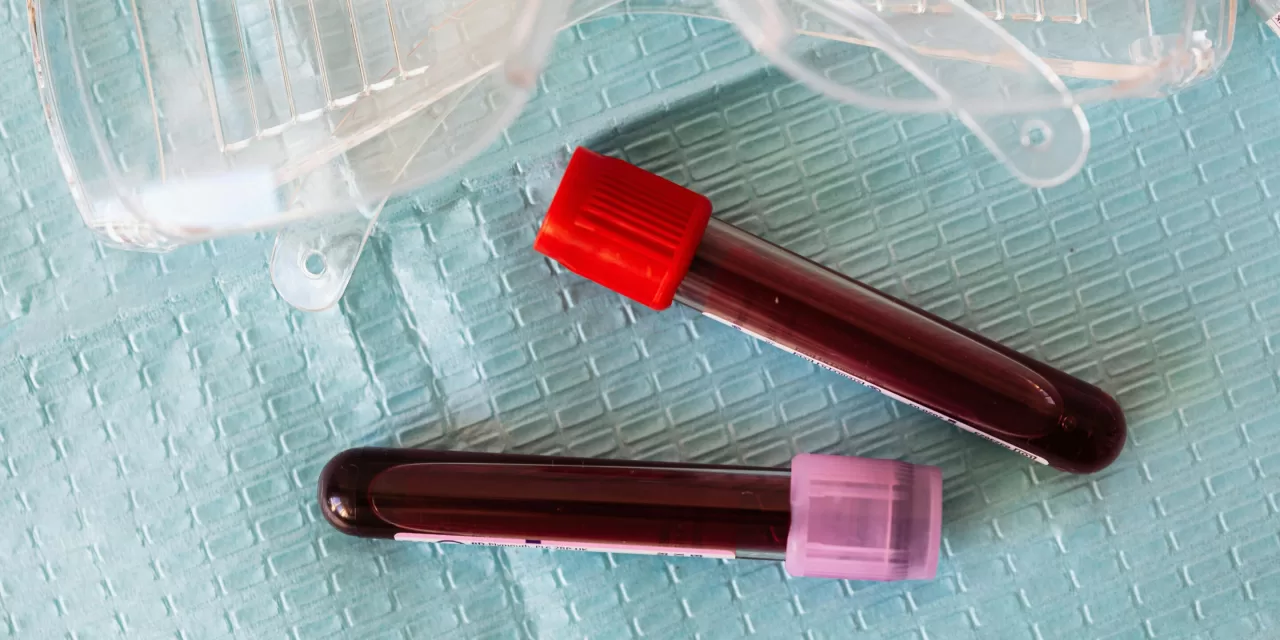
For decades, the “cholesterol check” has been a ritual of the annual physical. Patients wait for their results, focusing on two primary numbers: LDL (the “bad” cholesterol) and HDL (the “good” cholesterol). However, a landmark study published in the European Heart Journal suggests we may have been measuring the wrong thing.
The research, which analyzed data from over 200,000 individuals, indicates that measuring apolipoprotein B (apoB)—a protein that counts the actual number of harmful particles in the blood—is a significantly more accurate predictor of heart disease than traditional cholesterol tests. As cardiovascular disease remains the leading cause of death globally, claiming 17.9 million lives annually, this shift in testing could represent one of the most significant updates to preventative cardiology in sixty years.
The Particle Count Revolution
Standard lipid panels measure the weight of the cholesterol contained within particles, not the number of particles themselves. Imagine two highways: one has five massive semi-trucks, and the other has fifty small passenger cars. A standard test measures the total weight of the cargo; the apoB test counts the number of vehicles.
Because every single “bad” cholesterol particle—including LDL, very-low-density lipoprotein (VLDL), and intermediate-density lipoprotein (IDL)—carries exactly one apoB protein, measuring apoB provides a precise census of the “vehicles” capable of crashing into artery walls and causing plaques.
“We found that apoB is the best marker when testing for risk of heart disease,” says lead author Jakub Morze, a postdoctoral fellow at Chalmers University of Technology. “Since apoB indicates the total number of ‘bad cholesterol’ particles, measuring it offers a more accurate test than standard cholesterol measures.”
The study, which utilized nuclear magnetic resonance (NMR) spectroscopy to profile blood samples from the UK Biobank, tracked participants for up to 15 years. The findings were stark: apoB levels were the strongest indicator of future coronary artery disease, consistently outperforming LDL cholesterol levels, particle size, or particle type.
Why Traditional Tests Miss the Mark
The danger of relying solely on LDL weight is “discordance.” About one in 12 patients may have “normal” LDL cholesterol levels but a high apoB particle count. In these individuals, the cholesterol is packed into many small, dense particles rather than a few large ones.
These small particles are particularly dangerous because they easily penetrate the arterial lining. For these patients, a standard test provides a false sense of security. Since 20% to 40% of first-time cardiovascular events are fatal, missing these high-risk individuals can have permanent consequences.
The Role of Lipoprotein(a)
The research also highlighted the importance of Lipoprotein(a), or Lp(a). This is a specific type of apoB particle that is largely determined by genetics rather than lifestyle. Unlike standard LDL, Lp(a) levels stay relatively constant throughout a person’s life. The study suggests that routine screening for both apoB and Lp(a) would provide a nearly complete picture of a patient’s atherosclerotic risk.
Expert Perspectives: A Shift in Guidelines?
Cardiologists who have long advocated for more nuanced testing see this study as a turning point. Dr. Samora Mora, Director of the Center for Lipid Metabolomics at Brigham and Women’s Hospital, recommends that patients have their apoB tested at least once to ensure their particle count aligns with their LDL results.
“ApoB is undoubtedly the most reliable metric that everyone should have evaluated during cardiovascular risk assessments,” asserted Thomas Dayspring, a renowned lipidologist and fellow of the National Lipid Association.
Beyond accuracy, there is the question of cost. Clemens Wittenbecher, Assistant Professor of Precision Medicine at Chalmers, notes that apoB tests are already commercially available, inexpensive, and easily integrated into existing laboratory workflows. “Our results indicate that apoB particle count could eventually replace the standard blood cholesterol test,” Wittenbecher says.
Public Health and Economic Implications
The potential impact on public health is massive. In the United States alone, heart disease costs the healthcare system over $400 billion annually. A predictive model from Northwestern University involving 250,000 adults suggests that apoB-guided treatment could avert significantly more heart attacks and strokes than traditional LDL-guided approaches, providing better value for healthcare spending.
By identifying high-risk individuals earlier, clinicians can more aggressively recommend:
-
Targeted Statin Therapy: Ensuring those with high particle counts receive medication even if their total cholesterol looks “fine.”
-
Lifestyle Interventions: Prioritizing tobacco cessation, fiber-rich diets, and exercise for those at the highest biological risk.
-
Advanced Therapeutics: Utilizing PCSK9 inhibitors for those with genetically high Lp(a) or resistant apoB levels.
Limitations and The Holistic View
Despite the superiority of apoB, experts caution against viewing it as a “magic bullet.” Jakub Morze notes that for many people, conventional LDL tests are still “good enough” for basic screening. Furthermore, healthcare is slow to change; many physicians are accustomed to LDL targets and may not yet be comfortable interpreting apoB data.
There is also the role of inflammation. Roughly 52% of Americans have elevated C-reactive protein (CRP) levels, a marker of systemic inflammation. Experts suggest that while apoB measures the “fuel” for arterial plaques, CRP measures the “fire.” The American College of Cardiology (ACC) has begun recommending more universal CRP screening to be used alongside lipid markers for a truly comprehensive risk profile.
What This Means for You
If you are concerned about your heart health—especially if you have a family history of early heart attacks or struggle with metabolic issues like Type 2 diabetes—it may be time to look beyond the standard lipid panel.
Practical Steps:
-
Request the Test: Ask your healthcare provider for an apoB and a one-time Lp(a) test.
-
Focus on Fiber: Soluble fiber (found in oats, beans, and berries) is one of the most effective dietary tools for lowering apoB particles.
-
Monitor “Hidden” Risks: Be aware that sugar and highly processed carbohydrates can raise apoB levels even if your fat intake is low.
-
Don’t Self-Diagnose: Use these tests as a conversation starter with a cardiologist to create a personalized prevention plan.
The transition from measuring cholesterol weight to counting particles marks a new era of precision medicine—one that promises to catch heart disease before it strikes.
References
-
Morze, J., et al. (2025). “ApoB-containing lipoproteins: count, type, size, and risk of coronary artery disease.” European Heart Journal. [doi.org/10.1093/eurheartj/ehaf207]
Medical Disclaimer: This article is for informational purposes only and should not be considered medical advice. Always consult with qualified healthcare professionals before making any health-related decisions or changes to your treatment plan. The information presented here is based on current research and expert opinions, which may evolve as new evidence emerges.