 0
0
 0
0
GENEVA — In a historic push to address a critical vacuum in global mental health and addiction resources, the World Health Organization (WHO) has issued its first-ever invitation to pharmaceutical manufacturers to submit life-saving addiction treatments for its Prequalification Programme. Announced by the WHO Department of Non-Communicable Diseases on May 22, 2026, and detailed in a departmental update on June 3, 2026, the initiative formally requests Expressions of Interest (EOIs) for critical medications used to treat opioid dependence and reverse fatal overdoses. The unprecedented strategy seeks to establish a reliable, quality-assured global supply chain for drugs that have historically remained stubbornly out of reach for millions of individuals living with substance use disorders in low- and middle-income nations.
Expanding Access to Essential Therapeutics
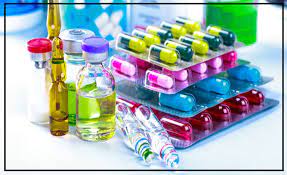
The newly launched global campaign specifically targets selected essential medicines crucial to addiction medicine and emergency harm reduction. Chief among these are methadone and sublingual buprenorphine—both utilized in opioid agonist maintenance therapy to manage cravings and withdrawal symptoms—alongside naloxone, the standard antidote used for the emergency reversal of opioid overdoses.
                  ┌────────────────────────────────────────┐
                  │   WHO Prequalification Invitation      │
                  └───────────────────┬────────────────────┘
                                      │
         ┌────────────────────────────┼────────────────────────────┐
         ▼                            ▼                            ▼
   [ METHADONE ]              [ BUPRENORPHINE ]              [ NALOXONE ]
 Opioid Dependence            Opioid Dependence           Emergency Overdose
  Liquid / Tablet             Sublingual Formula               Reversal
Substance use disorders represent a severe, compounding threat to global healthcare infrastructure. Epidemiological data released by the WHO indicates that approximately 316 million people worldwide use psychoactive substances each year. Within this cohort, an estimated 61 million individuals engage in the non-medical use of opioids.
Because opioids dominate the global landscape of drug-related mortality and severe morbidity—frequently causing fatal respiratory depression—broadening the availability of verified therapeutics is a top public health priority.
Understanding Prequalification: A Seal of Quality
For healthcare professionals and international procurement agencies, the concept of WHO prequalification is a structural cornerstone of global health delivery. Essentially, the WHO Prequalification Programme acts as a rigorous regulatory gatekeeper. It evaluates the safety, efficacy, and manufacturing quality of medicinal products to ensure they meet strict international standards before they can be purchased in bulk by global humanitarian funds like UNICEF, the Global Fund, or individual national health ministries.
Historically, the program has focused on massive communicable disease threats, such as HIV/AIDS, malaria, and tuberculosis. Expanding this mechanism into the realm of mental health and substance use disorders marks a major paradigm shift.
“By opening the prequalification pathway to addiction medications, the WHO is treating substance use disorders with the exact same clinical urgency and regulatory rigor as traditional infectious diseases,” noted Dr. Aris Vance, an independent global health policy analyst not affiliated with the UN initiative. “It signals to international donors and manufacturing markets that addiction care is foundational to universal healthcare.”
This initial invitation directly complements a broader, ongoing clinical modernization effort. The WHO Guideline Development Group is currently overhauling its global guidelines for treating opioid dependence and preventing overdoses, a highly anticipated policy document scheduled for final publication in late 2026 or early 2027.
Public Health Implications and Practical Impact
For the general consumer and communities devastated by the opioid crisis, this policy change carries practical long-term implications. In many developing regions, even if local clinical guidelines support the use of buprenorphine or naloxone, supply lines are frequently interrupted by volatile pricing, low production volumes, or an influx of substandard, counterfeit medicines.
By prequalifying generic versions of these drugs, the WHO creates an ecosystem where:
-
Production Scale Increases: Multiple global manufacturers can compete on a standardized playing field.
-
Costs Deflate: Increased competition lowers the cost per unit of life-saving medications.
-
Community Distribution Mobilizes: Local non-governmental organizations (NGOs) can purchase certified, affordable naloxone kits for direct deployment into vulnerable communities.
| Medication | Primary Clinical Application | Form Requested by WHO |
| Methadone | Long-term opioid agonist maintenance therapy | Oral liquid / tablet formulations |
| Buprenorphine | Partial opioid agonist treatment for dependence | Sublingual (under-the-tongue) tablets |
| Naloxone | Emergency antagonist for acute opioid overdose | Injectable / nasal delivery formats |
Structural Limitations and Structural Counterarguments
While global health advocates have celebrated the announcement, independent regulatory experts urge cautious optimism, pointing out substantial systemic hurdles that a prequalification designation alone cannot solve.
First, regulatory frameworks in several nations classify methadone and buprenorphine strictly as tightly controlled narcotics due to their inherent potential for misuse or diversion. Consequently, even if a generic manufacturer achieves WHO prequalification, rigorous import quotas, specialized licensing requirements, and criminal justice policies may still bottleneck domestic distribution.
Furthermore, medical anthropology highlights that pharmacotherapy cannot operate successfully in a vacuum. Successful management of a substance use disorder typically demands integrated psychosocial support, psychiatric counseling, and comprehensive harm-reduction education. In areas lacking trained healthcare workers, simply lowering the cost of the physical drugs may fail to yield a long-term drop in addiction relapse rates unless it is paired with substantial investments in local medical infrastructure.
Looking Ahead: The Timeline for Deployment
The global invitation for Expressions of Interest is now officially active. Pharmaceutical entities specializing in generic formulations are expected to submit extensive manufacturing dossiers and bioequivalence data to the WHO Prequalification Unit throughout the remainder of the year.
As the WHO moves toward finalizing its updated clinical treatment manuals by early 2027, the simultaneous onboarding of prequalified drug suppliers will theoretically allow international distribution networks to scale up immediately. This synchronized timeline represents a coordinated global counter-offensive against an escalating crisis, offering a reliable blueprint for turning international clinical policy into accessible, localized recovery.
Reference Section
Institutional and Statistical Sources
-
World Health Organization (WHO): Departmental Update, WHO invites manufacturers to submit medicines for prequalification to expand treatment for substance use disorders, published June 3, 2026. WHO Official Announcement.
Medical Disclaimer: This article is for informational purposes only and should not be considered medical advice. Always consult with qualified healthcare professionals before making any health-related decisions or changes to your treatment plan. The information presented here is based on current research and expert opinions, which may evolve as new evidence emerges.