 0
0
 0
0
NEW DELHI — In a surgical feat that underscores the rapidly advancing frontier of reconstructive medicine, a 45-year-old painter from Delhi has undergone a successful bilateral hand transplant at Sir Ganga Ram Hospital. The patient, who lost both hands in a traumatic train accident in 2020, received the limbs from a brain-dead donor in a marathon 12-hour procedure completed this spring. While the surgery represents a monumental step toward restoring the patient’s independence, medical experts caution that the achievement is the beginning of a lifelong journey of intensive rehabilitation and complex medical management.
A Symphony of Microsurgery
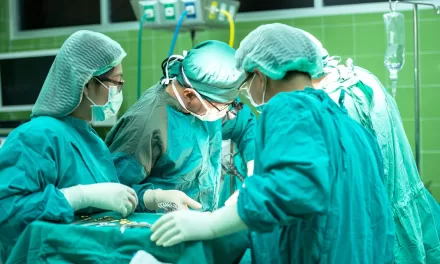
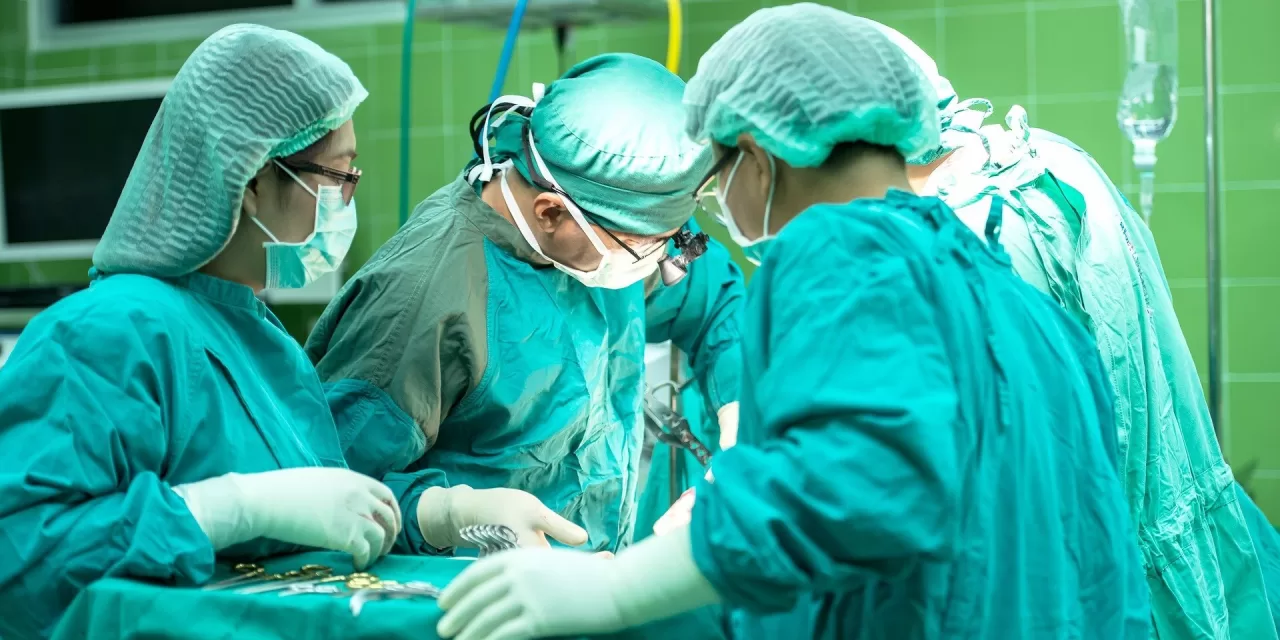
The procedure, the second of its kind performed at Sir Ganga Ram Hospital, required a multidisciplinary team of 11 surgeons. For four years, the recipient had been dependent on caregivers for even the most basic activities of daily living. The surgery aimed to change that by meticulously reconnecting the delicate architecture of the human arm.
According to hospital statements, the operation involved the precision integration of several biological systems:
-
Structural Foundation: Rejoining the radius and ulna bones.
-
Motor Function: Connecting dozens of tendons and muscles to allow for future movement.
-
Circulation: Re-establishing blood flow through microvascular surgery on arteries and veins.
-
Sensation: Aligning major nerves (radial, ulnar, and median) to eventually restore feeling and fine motor control.
Dr. Anubhav Gupta, a senior consultant involved in the transplant, described the operation as a race against time. “This was not merely a surgery but a carefully orchestrated sequence where every minute is critical for graft survival,” Dr. Gupta noted. He emphasized that the viability of the donor tissue depends on the speed and accuracy of the vascular reconnections.
Beyond Cosmetics: The Functional Goal
Hand transplantation falls under the category of Vascularized Composite Allotransplantation (VCA). Unlike a kidney or heart transplant, which is performed to save a life, a hand transplant is a “life-enhancing” procedure. The goal is to provide a level of dexterity and sensory feedback that current prosthetic technology often cannot match.
Data published in PubMed and PMC peer-reviewed journals suggest that bilateral recipients often regain “protective sensation”—the ability to feel heat, cold, or pain—within the first year. Over two to seven years of follow-up, many patients show sequential improvements in standardized hand-function measures, allowing them to perform tasks like eating, grooming, and, in some cases, returning to work.
Dr. Mahesh Mangal, Chairman of the Department of Plastic and Cosmetic Surgery at Sir Ganga Ram Hospital, called the procedure the “pinnacle of reconstructive microsurgery.” He noted that for a painter, the restoration of hands is not just about function, but about reclaiming an identity and a “second life.”
The Lifelong Trade-off: Immunosuppression
Despite the surgical success, the medical community remains transparent about the inherent risks. Because the skin is highly “immunogenic”—meaning the immune system recognizes it as foreign more aggressively than other tissues—recipients must remain on a potent regimen of immunosuppressive drugs for the rest of their lives.
Current research in Frontiers in Transplantation indicates that most recipients require a “triple therapy” combination, typically including:
-
Tacrolimus
-
Mycophenolate mofetil
-
Prednisone
While these drugs prevent the body from rejecting the new hands, they come with significant side effects. Long-term use can increase the risk of serious infections, kidney toxicity, and metabolic issues like diabetes. This creates a complex ethical and medical paradox: the surgery restores physical freedom but necessitates a permanent dependence on a rigorous medication schedule.
The Power of Donation
This landmark case also highlights the critical role of organ and tissue donation in India. The hands were made available only after the family of a brain-dead donor gave their consent. In an extraordinary act of “multi-organ” donation, the donor’s heart, liver, and kidneys were also used to save other lives.
“This case puts a spotlight on the evolving culture of deceased donation,” says independent health analysts. While public awareness is growing, the demand for complex transplants far exceeds the supply. For a hand transplant, the donor must not only be a blood-type match but also a match for skin tone and limb size, making the “gift of life” in this category exceptionally rare.
Limitations and Realistic Expectations
While the news of a painter regaining his hands is inspiring, health professionals urge a balanced perspective. A 2022 systematic review of hand transplantation found that while the field has matured, it remains an uncommon procedure due to the heavy burden of long-term care.
-
Evidence Gap: Most data comes from small case series rather than large-scale randomized trials.
-
Rejection Episodes: Acute rejection is common, particularly in the first year. While usually manageable with adjusted steroids, it requires constant vigilance.
-
Rehabilitation: The surgery is only 50% of the battle. The patient must undergo years of daily occupational therapy to “teach” the brain how to use the new limbs as nerves slowly regrow (typically at a rate of one inch per month).
What This Means for Amputees
For the general public and those living with limb loss, this development is a sign of progress, not a universal solution.
“Hand transplantation is a highly specialized procedure reserved for rare, carefully screened candidates,” explains the reporting team. For the vast majority of amputees, high-quality prosthetics, rehabilitation, and psychosocial support remain the gold standard for regaining independence. The procedure is typically considered only when prosthetics fail to meet functional needs and the patient is deemed psychologically resilient enough to handle the lifelong medical demands.
As the painter in Delhi begins his long road to recovery, his case serves as both a testament to human ingenuity and a reminder of the profound impact of organ donation.
Medical Disclaimer: This article is for informational purposes only and should not be considered medical advice. Always consult with qualified healthcare professionals before making any health-related decisions or changes to your treatment plan. The information presented here is based on current research and expert opinions, which may evolve as new evidence emerges.
References
Institutional Sources:
-
Sir Ganga Ram Hospital. (2024, March 13). The First In North India Successful Bilateral Hand Transplant. * National Health Service (India) & NDTV Health. (2026, April 25). Bilateral Hand Transplant Reports.