 0
0
 0
0
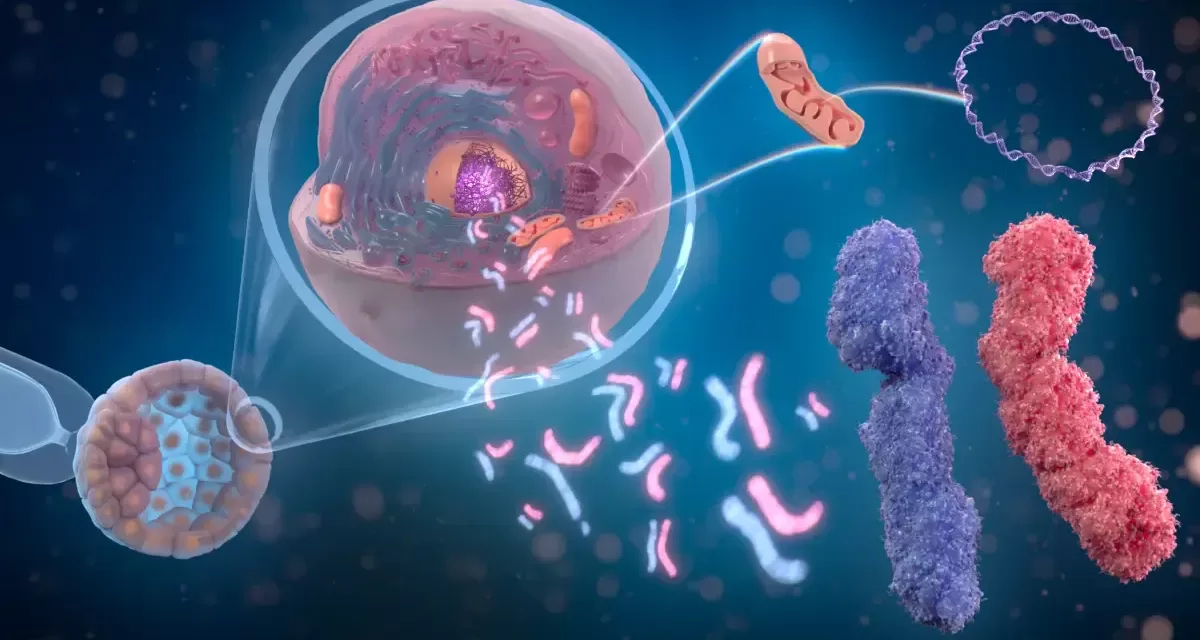
BHOPAL, INDIA – In a transformative step toward personalizing healthcare for India’s diverse population, the All India Institute of Medical Sciences (AIIMS) Bhopal announced a landmark partnership with the Erasmus Medical Center (MC) from Rotterdam, Netherlands, on April 6, 2026. This Indo-Dutch collaboration, valued at over ₹10 crore, aims to integrate pharmacogenomics—the study of how genes affect a person’s response to drugs—into mainstream clinical practice. By tailoring prescriptions to an individual’s genetic makeup, the initiative seeks to eliminate the “trial-and-error” approach to medicine, significantly reducing adverse drug reactions and enhancing treatment efficacy for millions of patients.
The Science of “Genetic Tailoring”
At the heart of this partnership is the goal of “precision medicine.” Currently, most medical treatments are designed for the “average patient,” but this one-size-fits-all model often fails. Research suggests that genetic variations can account for 20% to 95% of variability in individual drug responses.
Pharmacogenomics functions much like matching a specific key to a lock. By analyzing a patient’s DNA, doctors can predict whether a medication will be effective, if it will cause a dangerous side effect, or if the dosage needs adjustment.
The project is led by Dr. Shubham Atal, a specialist in pharmacology and pharmacogenetics at AIIMS Bhopal. “We are moving beyond theoretical research into real-world implementation,” Dr. Atal noted. “Our focus is to evaluate how scalable and cost-effective gene-based prescribing can be within the Indian public health infrastructure.”
A Strategic Partnership for Global Expertise
The collaboration was formalized during a high-level visit by a delegation from Erasmus MC, led by Prof. Peter J. van der Spek, Head of Clinical Bioinformatics. Erasmus MC is globally recognized for its expertise in using big data to map disease pathways.
Dr. Madhabananda Kar, Director of AIIMS Bhopal, welcomed the initiative, stating that it aligns with India’s national push for innovative, technology-driven healthcare. The project will initially focus on three critical medical fields:
-
Oncology: Avoiding chemotherapy toxicity through specific gene testing (such as BRCA or DPYD).
-
Psychiatry: Determining the correct antidepressants, where genetic variants in enzymes like CYP2D6 can affect response rates in 40% to 50% of patients.
-
Cardiology: Optimizing blood thinners like warfarin and clopidogrel, where improper dosing can lead to life-threatening bleeding or clots.
Why Local Data Matters
While international bodies like the Clinical Pharmacogenetics Implementation Consortium (CPIC) provide global guidelines, experts argue that India-specific data is non-negotiable.
Dr. Mohd. Faruq, a scientist at the CSIR-Institute of Genomics and Integrative Biology and a key figure in the GenomeIndia Project, emphasizes that India’s genetic landscape is unique. “Many genetic variants influencing drug efficacy and adverse reactions in Indian populations are simply not found in international databases,” Dr. Faruq explained.
With over 99 distinct ethnic groups, India’s genetic diversity means that a drug dosage safe for a European patient might be toxic for an Indian patient. The GenomeIndia Project has already sequenced 10,000 genomes, providing a vital foundation for the AIIMS Bhopal initiative to build upon.
Public Health Impact: Saving Lives and Costs
The implications for the general public are profound. Statistics indicate that 5% to 10% of hospital admissions are due to adverse drug reactions (ADRs). In a country of 1.4 billion people, reducing these incidents could save thousands of lives and billions of rupees in healthcare costs.
For example, testing for the HLA-B*5701 variant is a recommended practice in HIV care to prevent severe hypersensitivity to the drug abacavir. Similarly, prospective genotyping for the DPYD gene has been shown to drastically cut the risk of lethal toxicity in patients undergoing common cancer treatments.
| Drug Type | Genetic Variant | Potential Impact of Testing |
| Blood Thinners | CYP2C9 / VKORC1 | Prevents major bleeding episodes |
| Antidepressants | CYP2D6 / CYP2C19 | Identifies “non-responders” early |
| Chemotherapy | DPYD / UGT1A1 | Reduces life-threatening toxicity |
| HIV Antivirals | HLA-B*5701 | Prevents severe allergic reactions |
Challenges to Widespread Adoption
Despite the optimism, the path to “a genetic test for every prescription” faces significant hurdles:
-
Cost: Currently, pharmacogenomic panels in India cost between ₹10,000 and ₹30,000. While the AIIMS Bhopal project aims to find “scalable models,” affordability remains a barrier for the average citizen.
-
Infrastructure: There is a shortage of physicians trained to interpret complex genetic data and a lack of India-specific clinical guidelines.
-
Data Privacy: As genomic data becomes more common, India faces the challenge of implementing robust laws to prevent genetic discrimination by employers or insurers.
Some critics also caution against over-reliance on genetics, noting that lifestyle factors—such as diet, age, and environmental exposures—also play massive roles in how a body processes medicine.
The Road Ahead
The AIIMS Bhopal and Erasmus MC partnership represents a pivot toward a more proactive, rather than reactive, healthcare system. By combining Dutch bioinformatics prowess with India’s vast clinical diversity, the project aims to create a blueprint for precision medicine in low-to-middle-income countries.
For the health-conscious consumer, this news suggests a future where your “genetic ID” becomes as standard as your blood group, ensuring that the medicine you are prescribed is designed specifically for you.
Medical Disclaimer
Medical Disclaimer: This article is for informational purposes only and should not be considered medical advice. Always consult with qualified healthcare professionals before making any health-related decisions or changes to your treatment plan. The information presented here is based on current research and expert opinions, which may evolve as new evidence emerges.
References
- https://health.economictimes.indiatimes.com/news/hospitals/aiims-b-teams-up-with-dutch-experts-to-bring-personalised-meds-to-patients/130100162?utm_source=latest_news&utm_medium=homepage