 0
0
 0
0
April 9, 2026
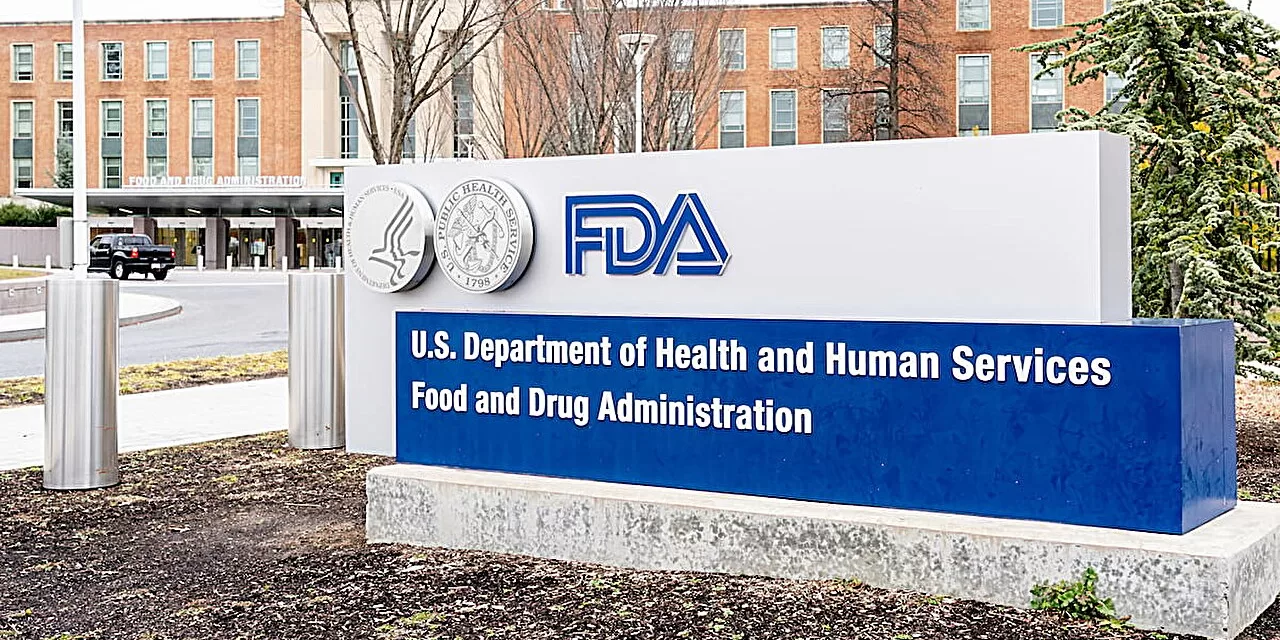
AHMEDABAD, India — In a move set to reshape the landscape of metabolic care, the U.S. Food and Drug Administration (FDA) has granted final approval to Zydus Lifesciences for its generic version of the blockbuster diabetes medication, dapagliflozin. Announced on April 7, 2026, the approval encompasses both 5 mg and 10 mg strengths, clearing the way for the Indian pharmaceutical giant to enter a U.S. market where diabetes costs and prevalence continue to reach record highs. As global diabetes cases soar toward nearly one billion, this regulatory milestone promises to increase the accessibility of a therapy that does far more than just lower blood sugar.
A Multifaceted Approach to Blood Sugar
Dapagliflozin, originally marketed under the brand name Farxiga by AstraZeneca, belongs to a powerhouse class of drugs known as sodium-glucose cotransporter 2 (SGLT2) inhibitors. Unlike traditional diabetes medications that rely on the body’s insulin production or sensitivity, dapagliflozin takes a “kidney-first” approach.
Under normal conditions, the kidneys act as a filter, reabsorbing roughly 90% of glucose back into the bloodstream through the SGLT2 protein. Dapagliflozin effectively blocks this protein, allowing the excess sugar to be flushed out of the body through urine.
“This insulin-independent mechanism is a game-changer,” says Dr. Robert Eckel, past president of the American Diabetes Association and an endocrinologist at the University of Colorado. “Because it doesn’t force the pancreas to pump out more insulin, the risk of hypoglycemia—dangerously low blood sugar—is significantly lower than with older classes of drugs.”
Clinical data indicates that 10 mg of dapagliflozin daily can lower HbA1c levels (a three-month average of blood sugar) by 0.54% to 0.84% when used in conjunction with metformin. Beyond glycemic control, the drug offers a “side effect” that many patients welcome: modest weight loss and a reduction in blood pressure, occurring as the body sheds calories and fluid through the urinary tract.
Protecting the Heart and Kidneys
The FDA’s green light comes at a time when the medical community views SGLT2 inhibitors as much more than “sugar pills.” Over the last several years, landmark clinical trials including DAPA-HF, DELIVER, and DAPA-CKD have demonstrated that dapagliflozin provides a robust shield for the heart and kidneys.
In the DAPA-HF trial, the drug was shown to reduce the risk of cardiovascular death and hospitalization for heart failure, even in patients who did not have diabetes. Similarly, the DAPA-CKD study highlighted its ability to slow the progression of chronic kidney disease (CKD), a common and debilitating complication of type 2 diabetes.
“SGLT2 inhibitors like dapagliflozin represent a paradigm shift,” Dr. Eckel notes. “They don’t just manage sugar; they prevent the heart and kidney damage that diabetes inflicts, making them foundational in modern care.”
With 38.5 million Americans and nearly 90 million people in India living with diabetes, these protective benefits address the leading causes of mortality within the patient population: heart disease and renal failure.
Market Impact and Public Health
The economic implications of Zydus’ entry into the market are substantial. According to IQVIA data, annual U.S. sales for dapagliflozin reached approximately $10.5 billion between early 2025 and 2026. By securing 180 days of shared generic exclusivity, Zydus is positioned to offer a more affordable alternative during a period of high demand.
The World Health Organization (WHO) recently reported that global diabetes cases have climbed from 200 million in 1990 to over 830 million in 2022. For low- and middle-income countries, the availability of high-quality generics is not just a matter of convenience—it is a public health necessity.
“This generic approval will enhance access, potentially saving healthcare systems millions while maintaining efficacy,” stated a UK clinician in recent NICE (National Institute for Health and Care Excellence) reviews, which now recommend earlier use of SGLT2 inhibitors for newly diagnosed patients.
What Patients Need to Know
| Feature | Clinical Consideration |
| Primary Use | Improvement of glycemic control in adults with type 2 diabetes. |
| Daily Dose | Typically 5 mg or 10 mg once daily in the morning. |
| Key Benefits | Reduced risk of heart failure hospitalization and slowed kidney decline. |
| Key Risks | Urinary tract infections (UTIs), genital yeast infections, and dehydration. |
While the benefits are extensive, the drug is not a “magic bullet” and is not suitable for everyone. It is not intended for patients with type 1 diabetes or those with severe kidney impairment (eGFR <25-30 mL/min/1.73 m²) where the drug’s efficacy wanes.
Navigating Risks and Side Effects
As with any potent medication, dapagliflozin carries specific risks. Because the drug works by increasing sugar in the urine, it creates an environment where bacteria and yeast can thrive. Clinical trials showed a slightly higher incidence of urinary tract infections (4.8% vs. 3.7% in placebo) and genital infections (5.1% vs. 0.9%).
Patients are also advised to monitor their hydration levels. The drug’s “natural diuretic” effect can lead to volume depletion or dehydration, particularly in elderly patients or those taking other blood pressure medications. Rare but serious concerns include ketoacidosis—a serious condition where the body produces excess blood acids—and a specific, rare infection of the perineum known as Fournier’s gangrene.
Medical professionals emphasize that while Zydus’ generic will make the drug more affordable, it must remain a component of a holistic management plan. Lifestyle modifications, including diet and exercise, remain the cornerstone of diabetes treatment.
A Step Toward Equitable Care
The approval of Zydus Lifesciences’ generic dapagliflozin marks a significant step toward equitable innovation. By lowering the financial barrier to a life-saving therapy, the pharmaceutical industry and regulators are addressing a global crisis with practical, evidence-based solutions. As more generics enter the market, the hope is that the “foundational care” described by experts like Dr. Eckel becomes a reality for every patient, regardless of their zip code.
Medical Disclaimer: This article is for informational purposes only and should not be considered medical advice. Always consult with qualified healthcare professionals before making any health-related decisions or changes to your treatment plan. The information presented here is based on current research and expert opinions, which may evolve as new evidence emerges.
References
- https://www.ndtv.com/health/new-diabetes-generic-drug-gets-approval-in-us-market-all-about-dapagliflozin-11326848