 0
0
 0
0
PARIS – In a significant development for the millions of people living with persistent respiratory distress, pharmaceutical leader Sanofi has announced that its experimental drug, lunsekimig, successfully met its primary and key secondary goals in a comprehensive Phase 2b clinical trial. The study, known as AIRCULES, suggests that this novel “bispecific” therapy could significantly reduce the frequency of asthma attacks (exacerbations) and improve daily lung function in adults whose symptoms remain uncontrolled despite using standard steroid inhalers.
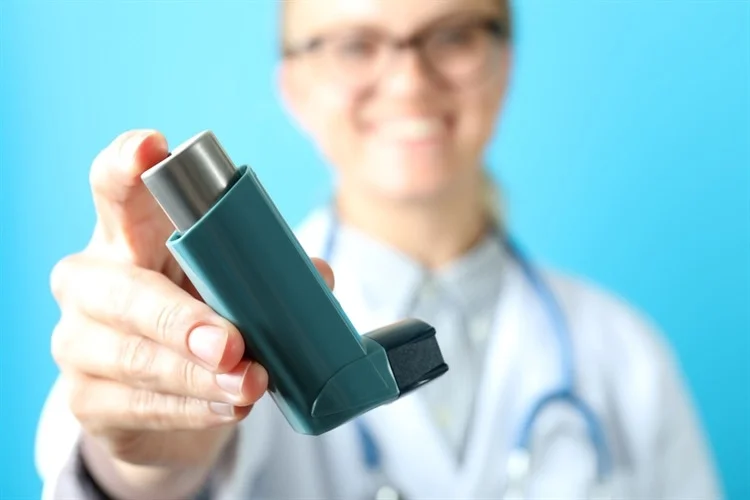
The trial results, involving over 1,100 participants globally, mark a potential shift in how the medical community approaches moderate-to-severe asthma. By targeting two distinct inflammatory pathways simultaneously, lunsekimig aims to offer a “set-and-forget” level of control that could eventually reduce the heavy daily reliance on traditional inhalers—a burden that currently leads to poor adherence and frequent emergency room visits.
Understanding the Breakthrough: The AIRCULES Findings
The Phase 2b AIRCULES trial was an ambitious global effort, spanning 252 sites including major medical hubs in India and the United States. It focused on 1,147 adults who suffered from frequent “flare-ups” even while taking high doses of inhaled corticosteroids (ICS) and long-acting bronchodilators.
Key results from the 48-week study include:
-
Reduced Exacerbations: Lunsekimig, administered via a simple subcutaneous (under-the-skin) injection every four weeks, showed a statistically significant reduction in the annualized rate of asthma attacks compared to a placebo.
-
Improved Airflow: Patients experienced a meaningful increase in their $FEV_1$ (Forced Expiratory Volume in one second), which measures how much air a person can exhale in a single breath.
-
Inflammation Control: Researchers noted a marked decrease in fractional exhaled nitric oxide ($FeNO$), a key biological marker used to track airway inflammation.
Importantly, the drug’s efficacy was observed regardless of a patient’s baseline “biomarker status.” In many current biological treatments, drugs only work well if a patient has high levels of specific white blood cells called eosinophils. Lunsekimig’s broader reach suggests it could benefit a wider variety of asthma patients.
How it Works: The “Two-Front” Defense
To understand why lunsekimig is different, one must look at the biology of an asthma attack. Current biologics typically target one specific “messenger” molecule in the immune system. Lunsekimig is a bispecific Nanobody—a compact, engineered molecule that blocks two major drivers of inflammation at once:
-
TSLP (Thymic Stromal Lymphopoietin): Consider this the “alarm system” located at the surface of the airway. When triggered by pollution or allergens, it sends out signals to start an inflammatory cascade.
-
IL-13 (Interleukin-13): This is a “worker” molecule deeper in the process that causes the airways to produce excess mucus and undergo physical thickening (remodeling).
By blocking both the alarm (TSLP) and the worker (IL-13), lunsekimig acts like a dual-purpose dam. While an inhaler treats the symptoms once they arrive, this drug seeks to prevent the flood from ever starting.
Expert Perspectives: A Global Need
While the data is promising, medical experts urge a balanced view as the drug moves toward larger Phase 3 trials.
“The dual-targeting mechanism of lunsekimig may offer a novel treatment option for patients living with respiratory diseases,” stated Houman Ashrafian, Sanofi’s Head of Research and Development. He emphasized that the goal is to provide a more comprehensive suppression of “Type 2” inflammation than currently available single-target drugs.
From a clinical perspective, the ease of dosing is a major factor. Dr. Sally E. Wenzel, a renowned pulmonologist at the University of Pittsburgh (who was not involved in the Sanofi trial), has noted in broader discussions on biologics that targeting multiple pathways is the logical next step for “heterogeneous” asthma—cases where the triggers and symptoms vary wildly between patients. However, she cautions that “real-world adherence and cost” will ultimately determine if these breakthroughs reach the people who need them most.
In regions like India, the stakes are particularly high. With an estimated 35 million asthma sufferers in India, the mortality rate of 13.2 per 1,000 deaths is a stark reminder of the “treatment gap.” Indian pulmonologists frequently cite “inhaler stigma,” incorrect technique (estimated to be as high as 90% among users), and the high cost of daily medication as barriers to care. A once-monthly injection could bypass many of these daily hurdles.
Comparing the Landscape
| Treatment | Mechanism | Frequency | Main Limitation |
| Standard Inhalers (ICS/LABA) | Local steroid/bronchodilator | Daily | User error; poor adherence |
| Tezepelumab | Blocks TSLP only | Monthly (IV/SC) | Single-pathway focus |
| Dupilumab | Blocks IL-4/IL-13 | Bi-weekly (SC) | Frequent injections |
| Lunsekimig | Blocks TSLP & IL-13 | Monthly (SC) | Still in Phase 2/3 trials |
Looking Ahead: Challenges and Implications
Despite the excitement, lunsekimig is not yet a “cure-all.” The Phase 2 trials primarily involved adults, meaning its safety and efficacy in children—a group heavily impacted by asthma—remain to be seen. Furthermore, a separate trial for the drug in treating eczema did not meet its goals, suggesting that while it is powerful in the lungs, its “dual-blockade” may not work for every inflammatory condition.
The next step is the Phase 3 trial (NCT06676319), which will monitor a larger group of patients over 52 to 64 weeks to ensure that the lung improvements are sustainable and that no rare side effects emerge over long-term use.
For the average patient, this news doesn’t change today’s prescription. However, it signals a future where “uncontrolled” asthma becomes a rarity rather than a daily struggle. If approved, lunsekimig could reduce emergency department visits by an estimated 30-50%, easing the burden on healthcare systems and allowing patients to breathe easier—quite literally.
Medical Disclaimer: This article is for informational purposes only and should not be considered medical advice. Always consult with qualified healthcare professionals before making any health-related decisions or changes to your treatment plan. The information presented here is based on current research and expert opinions, which may evolve as new evidence emerges.
References
- https://www.ndtv.com/health/asthma-treatment-breakthrough-could-this-single-drug-end-inhaler-dependency-for-millions-11327345