 0
0
 0
0
NEW DELHI — India’s growing role on the world stage—driven by vaccine diplomacy, participation in multilateral health initiatives, and large-scale domestic health programmes—has profound consequences for global and domestic public health. According to international policy analysts, this shifting geopolitical weight directly influences vaccine access, disease surveillance, and trust in health information worldwide.
When a nation steps forward as a primary provider of medical commodities, its diplomatic reliability ceases to be an abstract political metric. Instead, credibility becomes a functional lever of global health security, dictating how rapidly lifesaving interventions can be deployed during international crises.
The Currency of Trust in Global Health
At the core of international crisis response lies a simple truth: trust and cooperation underpin global health systems. When countries are recognized as dependable partners, they are far more likely to be integrated into vital supply arrangements, rapid information-sharing networks, and coordinated responses to sudden outbreaks. This integration accelerates the detection of pathogens and limits the geographic spread of infectious diseases.
As a major global supplier of generic medicines and vaccines, India occupies a unique position in this ecosystem. Its diplomatic relationships directly influence who can access critical supplies during emergencies and how rapidly manufacturing infrastructure can scale to meet surges in demand.
“Credibility is currency in global health,” explains Dr. Asha Rao, a public-health policy researcher who analyzed the recent geopolitical commentary. “Nations that are trusted gain faster access to collaborative platforms—for research, data, and supply chains. In a crisis, that structural efficiency saves lives.”
Conversely, when diplomatic friction or unpredictability occurs, communication channels degrade. A former World Health Organization (WHO) technical adviser, speaking on the condition of anonymity, noted that global health security relies entirely on the fluid movement of epidemiological data.
“Timely, accurate data exchange rests on mutual confidence,” the former adviser stated. “Reluctance or delay from any major partner hampers global situational awareness, leaving everyone vulnerable.”
From ‘Vaccine Maitri’ to Supply Chain Realities
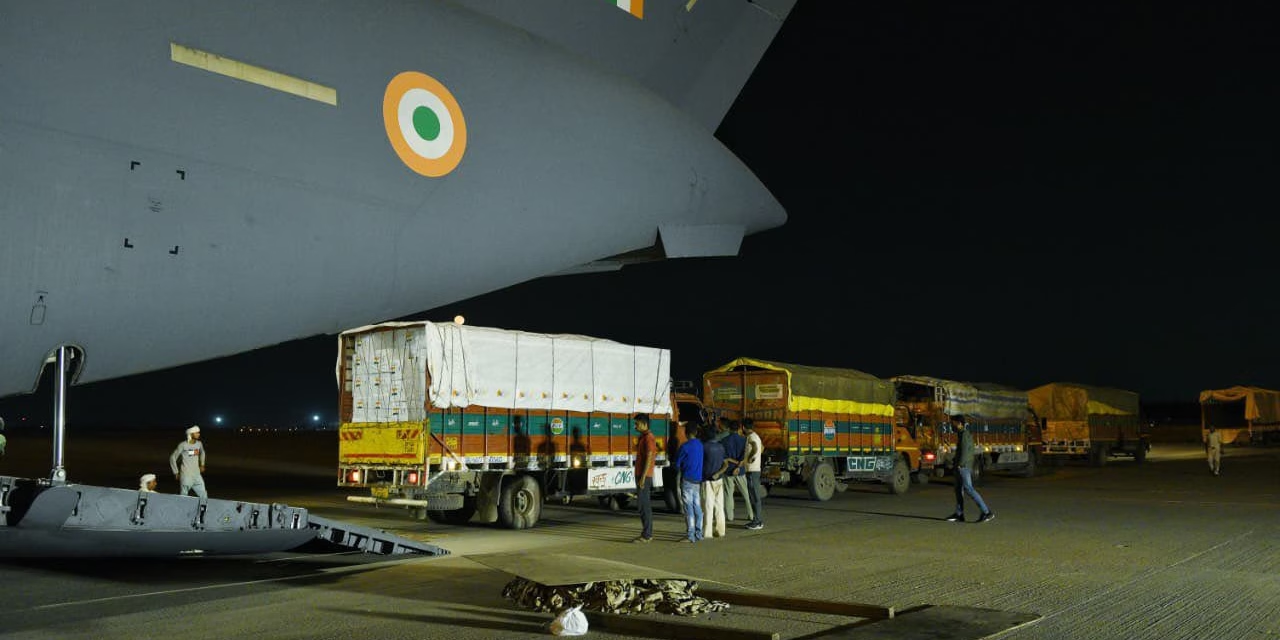
The real-world mechanics of this dynamic were vividly illustrated during the COVID-19 pandemic. Through its Vaccine Maitri (Vaccine Friendship) initiative, India leveraged its massive manufacturing capacity to provide millions of vaccine doses to low- and middle-income nations that had been locked out of early supply agreements. This diplomatic goodwill significantly improved global vaccine equity in its initial phases.
However, the initiative also highlighted the delicate balance between domestic necessity and international commitments. When a devastating domestic wave forced the implementation of export controls and supply constraints, the sudden interruption exposed deep vulnerabilities in global supply chains. Analysts argue that this period underscored how diplomatic capital must be paired with transparent policy and predictable surge capacity to maintain long-term international trust.
Beyond emergency response, India’s broader foreign-policy choices—including its relationships with other major global powers—directly shape its ability to advocate for structural reforms in global health governance. A strong reputation allows a nation to secure multi-country partnerships that fund and sustain large-scale public health programs targeting endemic diseases like tuberculosis and malaria.
Policy Implications and Counterarguments
For public health policymakers, the path forward involves concrete institutional metrics. Strengthening regulatory transparency, honoring commitments to multilateral initiatives, and investing in robust, digitized data-sharing systems are seen by experts as direct investments in national credibility.
For health systems globally, the lesson is one of structural resilience. Diversifying international partnerships reduces reliance on any single supplier or political bloc, making essential medicines and vaccines more resilient to geopolitical shocks. This buffering is critical for maintaining routine childhood immunization schedules as well as executing emergency responses.
However, policy analysts caution against viewing diplomacy as a cure-all. Credibility is merely one variable among many that determine tangible health outcomes. Domestic healthcare infrastructure, the rigorous quality of regulatory bodies, raw manufacturing scale, and sustainable financial backing are equally decisive factors.
Furthermore, technical negotiations—such as commercial contracts, strict regulatory approvals, and logistical distribution—often proceed successfully at a operational level, completely independent of headline-grabbing diplomacy. While technical cooperation undoubtedly benefits from predictability and political goodwill, the cold realities of production capacity and domestic statutory requirements frequently override diplomatic intent.
What This Means for Everyday Health Security
For the general public, international diplomacy can often seem disconnected from daily life. Yet, the realities of global health governance dictate the very availability and affordability of medicines found in local pharmacies.
While international treaties and alliances influence the flow of medical goods, domestic preparedness and transparent public institutions remain the most immediate levers shaping health security at home. Citizens monitoring national health readiness can look for specific indicators of stability: clear and public data-sharing practices, predictable export policies for essential health commodities, and active, collaborative participation in global health forums. These actions serve as reliable signals that a country is well-positioned to secure vital health goods and collaborative international support during the next inevitable global health crisis.
References
-
Media Report: “India’s credibility counts in world order,” Ten News (IANS), June 26, 2026.
Medical Disclaimer: This article is for informational purposes only and should not be considered medical advice. Always consult with qualified healthcare professionals before making any health-related decisions or changes to your treatment plan. The information presented here is based on current research and expert opinions, which may evolve as new evidence emerges.