 0
0
 0
0
PORTO ALEGRE, BRAZIL — In an era defined by antibacterial soaps and sterilized environments, a provocative new study suggests that a “missing” piece of our biological past—parasitic worms—could provide a blueprint for protecting infants from one of the world’s most dangerous respiratory viruses.
Presented at a global conference sponsored by the Respiratory Syncytial Virus Foundation, research led by Krist Antunes Fernandes, PhD, of the Pontifical Catholic University of Rio Grande do Sul, reveals that maternal exposure to intestinal parasites can fundamentally reprogram an offspring’s immune system. By identifying a specific metabolic byproduct of this exposure, researchers may have discovered a low-cost, scalable way to shield newborns from Respiratory Syncytial Virus (RSV) and even influenza.
The “Old Friends” Hypothesis in Action
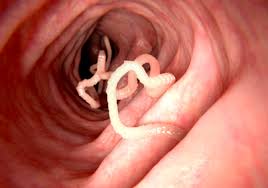
For most of human history, the gut microbiome was a crowded neighborhood. Among the bacteria lived helminths—parasitic worms. As modern sanitation eliminated these parasites, some scientists believe our immune systems lost “old friends” that helped calibrate our biological defenses.
“Exposures that historically influenced maternal and infant microbiota, notably intestinal parasites, have mainly disappeared in modern society,” the research team noted. To test the impact of this disappearance, Dr. Fernandes and colleagues used a mouse model involving Heligmosomoides polygyrus, a common intestinal parasite.
The researchers infected female mice with a chronic, subclinical level of the parasite before they became pregnant. They then tracked the health of the offspring to see if the mother’s “worm-enriched” environment offered any protection against RSV—a virus that causes 33 million respiratory infections and over 100,000 deaths annually in children under five.
A Chemical Shield: The Discovery of IPA
The results were striking. Offspring born to “helminth-exposed” mothers were significantly more resistant to RSV. These infants showed reduced weight loss, lower viral loads in their lungs, and decreased inflammation. Remarkably, this protection lasted from weaning all the way into adulthood.
To determine how this protection was passed down, the team performed “cross-fostering” and germ-free transfer experiments. They discovered that the protection wasn’t coming from maternal antibodies, but rather from the vertical transmission of a specific microbiota—the unique community of microbes shaped by the presence of the parasites.
The standout player in this biological hand-off is a metabolite called Indole-3-propionic acid (IPA). IPA is a byproduct created when gut bacteria break down tryptophan, an amino acid found in many foods. In the study, IPA was highly enriched in the mothers with parasites and was passed to their offspring.
From Mice to Humans
To see if these findings translated to human biology, the researchers examined metagenomic data from Indigenous populations who still live with chronic helminth colonization. They found the same “chemical signature”: an enrichment of metabolic pathways capable of producing IPA.
Furthermore, when the team applied IPA to human bronchial epithelial cells (the cells lining the airways), the results were consistent. The IPA stimulated the production of Type I Interferon (IFN-I), a critical “first responder” protein that tells the body to interfere with viral replication.
“The identification of IPA and the demonstration that neonatal supplementation alone could confer RSV protection is particularly important,” said Julia Burger, MD, a pediatrician at Temple Health and associate professor at the Lewis Katz School of Medicine, who was not involved in the study.
A Potential Breakthrough for Global Health
The implications for public health are profound, particularly for low- and middle-income countries where 95% of RSV deaths occur. Currently, the primary preventive tool is the use of monoclonal antibodies—highly effective but expensive treatments that are often out of reach for global populations.
“Preventative measures have been restricted to expensive monoclonal antibodies for infants,” Dr. Burger told Medscape Medical News. “Understanding how maternal environmental exposures influence offspring immunity could reveal more accessible preventive strategies.”
If a simple, shelf-stable oral supplement like IPA could mimic the protective effects of a complex microbiome, it could revolutionize how we prepare infants’ immune systems for “respiratory season.” In the study, oral IPA supplementation in neonatal mice not only protected against RSV but also provided a secondary shield against the flu.
Limitations and the Road Ahead
Despite the excitement, experts urge caution. The primary limitation of the study is its reliance on an animal model. While mouse models are essential for mapping biological pathways, they do not perfectly replicate human RSV pathophysiology or the immense complexity of the human gut.
“In the future, the safety and optimal dosing of IPA supplementation in human infants would require clinical trials,” Dr. Burger noted. She also emphasized that researchers must understand how such supplements might affect routine vaccine responses and overall immune development before they can be recommended for general use.
The research team concluded that while we are not suggesting a return to the days of widespread parasitic infection, we can “harness safe microbial metabolites” to bridge the gap created by modern living. By capturing the benefits of our ancestors’ microbiomes without the risks of the parasites themselves, science may have found a new way to help the world’s most vulnerable lungs breathe a little easier.
Medical Disclaimer
This article is for informational purposes only and should not be considered medical advice. Always consult with qualified healthcare professionals before making any health-related decisions or changes to your treatment plan. The information presented here is based on current research and expert opinions, which may evolve as new evidence emerges.
References and Sources
- https://www.medscape.com/viewarticle/parasitic-worms-provide-insights-rsv-prevention-2026a10008ob?ecd=a2a