 0
0
 0
0
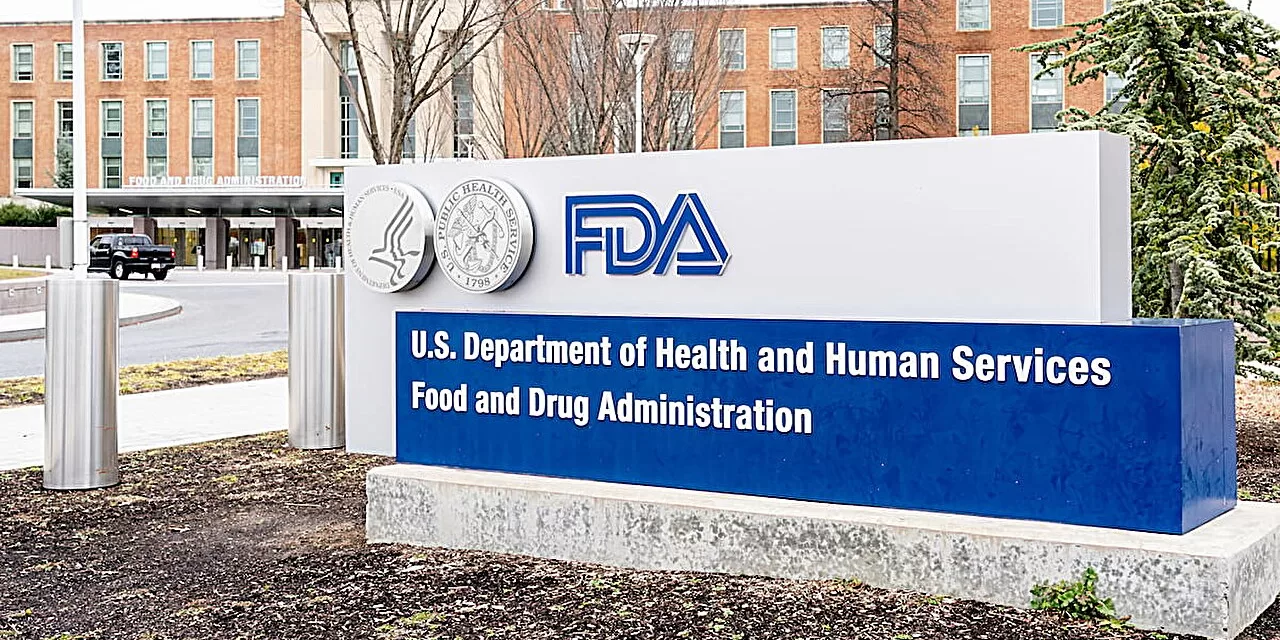
WASHINGTON — The U.S. Food and Drug Administration (FDA) on Friday, July 10, 2026, proposed a sweeping new rule that would streamline registration requirements for certain domestic drug manufacturers using decentralized production models. Simultaneously, the proposal closes critical reporting loopholes for foreign facilities supplying components to the U.S. market. Regulators emphasize that the dual-pronged regulatory update aims to reduce administrative burdens on evolving domestic supply networks without lowering strict consumer safety and quality control standards.
The announcement marks a significant structural update to federal oversight, arriving at a time when the pharmaceutical supply chain relies heavily on highly distributed, decentralized operations and complex international outsourcing.
The Shift to a “Hub-and-Spoke” Model
Under the current regulatory framework governed by the Code of Federal Regulations (21 CFR Part 207), the FDA mandates that every single physical location involved in manufacturing, preparing, propagating, compounding, or processing a drug for commercial distribution must register independently.
The proposed rule introduces a modernized framework specifically tailored for distributed manufacturing models, often described as a “hub-and-spoke” network. In this system, a central hub oversees multiple decentralized production units or contract facilities—such as interconnected networks of pharmacies or modular production sites—that handle different steps of the same drug production line under a single unified quality management system.
If finalized, the new rule would allow these networks to register dynamically as a single entity. Manufacturers would gain the flexibility to add, relocate, or remove individual localized production units through an agile, streamlined update process rather than navigating repetitive, separate applications for each location. However, safety checks remain integrated; companies will still be legally required to notify the FDA before physical relocation takes place.
Closing the Foreign Visibility Gap
While the domestic component of the rule focuses on consolidation and efficiency, the international provisions are strictly focused on tightening oversight. The FDA proposal clarifies drug-listing and registration requirements for foreign establishments, particularly those responsible for manufacturing active pharmaceutical ingredients (APIs) or essential drug components.
Historically, certain foreign facilities that manufactured drugs or raw chemical components solely for distribution to other foreign entities—which were later imported into the U.S.—operated in a regulatory blind spot. Because they did not directly import goods into the United States themselves, many were not registered with the FDA.
The updated rule explicitly ties these upstream contributors to the U.S. regulatory regime. By forcing these secondary and tertiary foreign operations to register and report the specific drugs they produce, the agency aims to shed light on deep tier-one and tier-two supply chain vulnerabilities.
How the Proposed Rule Alters the Drug Supply Chain
Domestic Hubs: Permits interconnected networks operating under one quality control system to register as a single establishment.
Foreign Upstream Sites: Eliminates reporting exemptions for foreign facilities that produce U.S.-bound drug components but sell them through intermediate foreign entities.
Agile Relocation: Introduces a fast-track notice system to add or remove modular manufacturing units without a complete registration overhaul.
Why It Matters for Public Health and Patients
For the everyday consumer and the frontline healthcare professional, pharmaceutical facility registration data is invisible until something goes wrong. Registration and listing databases form the bedrock of the FDA’s enforcement capabilities. They allow regulators to trace raw material origins, map out potential contamination vectors, conduct targeted facility inspections, and execute rapid recalls when substandard medicines enter the market.
The push for enhanced transparency stems from structural mandates outlined in the PREVENT Pandemics Act (Prepare for and Respond to Existing Viruses, Emerging New Threats, and Pandemics Act). The legislation directed federal agencies to fortify and secure the U.S. pharmaceutical supply chain after severe drug shortages and component vulnerabilities surfaced globally during recent public health emergencies.
“Traceability is everything when dealing with a drug shortage or a contamination event,” explains Dr. Aris Persidis, a pharmaceutical systems researcher not involved in the drafting of the rule. “If the FDA doesn’t have immediate visibility into the exact facility producing an intermediate chemical block, their ability to stop a bad batch or redirect production during a national shortage is severely bottlenecked. Clarifying foreign registration isn’t just a legal adjustment; it’s a defensive measure against supply chain fragility.”
For manufacturers, pharmacies, and contract development organizations operating across multiple state lines or locations, the proposed framework could significantly lower duplicative registration costs and administrative friction. In theory, this reduction in red tape could allow domestic networks to scale up production more rapidly in response to unexpected market spikes or critical shortages.
Industry Responses and Regulatory Caveats
While the agency projects long-term efficiencies and reduced costs for both the industry and the government, the announcement is only the first step in a lengthy formal rulemaking process. Public health advocates and industry trade groups are preparing to scrutinize the fine print.
Independent analysts point out that the ultimate success of the policy hinges on the exact legal definitions adopted. Critics and industry watchdogs express caution that streamlining registration protocols could inadvertently be interpreted by less-scrupulous firms as a form of deregulation or loosened oversight.
To maintain safety, experts stress that the final framework must clearly pair simplified registration with rigorous, non-negotiable expectations regarding recordkeeping, real-time reporting, and unannounced FDA inspection protocols. If a single “hub” registration masks underlying compliance failures at individual “spoke” locations, it could compromise the safety net.
The public, healthcare organizations, and industry stakeholders will now have an official window to submit formal feedback, propose alternative definition criteria, and debate documentation standards before the FDA moves to finalize and enforce the rule.
Practical Takeaways for Professionals and Consumers
-
For Physicians and Pharmacists: There are no immediate changes to prescribing workflows or pharmacy operations. This is an administrative structural shift. However, if finalized, it may lead to faster detection of drug quality anomalies and more agile regulatory responses during manufacturing disruptions.
-
For Health-Conscious Consumers: The formulations, labeling, and safety standards of approved medications remain completely unchanged. The proposed regulation operates behind the scenes to make it easier for federal inspectors to audit the origins of imported ingredients and remove unsafe products from pharmacy shelves before they reach households.
References
-
Media Citation: Reuters News Service. US FDA proposes rule to simplify registration for some distributed drug manufacturers. Published July 10, 2026.
Medical Disclaimer: This article is for informational purposes only and should not be considered medical advice. Always consult with qualified healthcare professionals before making any health-related decisions or changes to your treatment plan. The information presented here is based on current research and expert opinions, which may evolve as new evidence emerges.