 0
0
 0
0
NEW DELHI — In a race against time spanning thousands of miles, a multidisciplinary medical team in New Delhi has successfully performed an exceptionally rare liver transplant on a seven-month-old infant from Trinidad and Tobago. The child, Erik Ramsook, was suffering from a critical, inherited genetic condition so rare that fewer than ten similar infant transplant cases have ever been documented globally.
The successful surgery not only highlights the growing role of international specialized medical hubs but also shines a spotlight on the critical importance of early genetic screening for rare pediatric disorders.
A Diagnosis Against the Odds
Erik’s medical crisis began shortly after birth in Trinidad, presenting as a rapid physical decline marked by severe malnutrition, profound jaundice, and a dangerous accumulation of fluid in his abdomen (ascites). By the time his family arrived at Indraprastha Apollo Hospital in New Delhi, the infant weighed less than 4 kilograms (under 8.8 pounds)—a critically low weight for a seven-month-old.
Advanced molecular testing revealed that Erik was suffering from Progressive Familial Intrahepatic Cholestasis Type 4 (PFIC4).
[Normal Liver Function] ──> Bile flows smoothly to intestines to digest fats
[PFIC4 Genetic Mutation] ──> TJP2 gene defect disrupts tight junctions ──> Bile leaks/backs up ──> Progressive Liver Failure
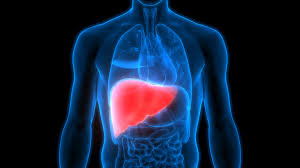
PFIC refers to a rare group of inherited childhood disorders that disrupt cholestasis—the normal flow of bile from the liver to the intestines. Bile is crucial for digesting fats and clearing toxins. When it backs up, it damages liver cells, causes agonizing itching (pruritus), stunts growth, and rapidly progresses to end-stage liver failure. PFIC4 is a highly specific subtype caused by mutations in the TJP2 (Tight Junction Protein 2) gene, which weakens the structural integrity of the liver’s bile ducts.
Inside the Operating Room: A Mother’s Gift
Upon arrival in Delhi, Erik’s health deteriorated rapidly, giving doctors a narrow window to intervene. A specialized pediatric transplant team, led by Dr. Neerav Goyal, Head of Liver Transplant at Apollo Hospitals, immediately began evaluating the parents for a living donor transplant.
Living donor liver transplantation is an intricate procedure where a piece of a healthy adult’s liver is surgically removed and placed into the patient. Over several weeks, both the donor’s and the recipient’s liver segments naturally regenerate to normal size.
While the infant’s father was initially evaluated, clinical parameters ruled him out as a suitable donor. The focus shifted entirely to the mother. With time running out, a portion of her liver was successfully harvested and transplanted into Erik within just one week of the family’s arrival in India.
“A liver transplant was this child’s absolute only chance of survival,” said Dr. Anupam Sibal, Group Medical Director and Senior Pediatric Gastroenterologist at Apollo Hospitals, who was not directly part of the surgical team but oversaw clinical operations. “Options are devastatingly narrow once PFIC progresses to end-stage liver disease.”
The precision surgery proved successful. Strikingly, Erik was discharged just 15 days post-operation and is reportedly recovering well under close medical supervision.
The Global Data: What the Research Shows
To understand the magnitude of Erik’s case, medical literature provides crucial context. A comprehensive 2023 systematic review and meta-analysis published in Hepatology Communications analyzed 507 PFIC patients across 79 global studies.
The study brought reassuring news for families facing these daunting diagnoses, showing an overall 5-year patient survival rate of 98.5% and a 5-year graft (transplanted organ) survival rate of 95.9% when operations are conducted in experienced tertiary care centers.
| PFIC Subtype | Key Visual/Clinical Characteristics | Meta-Analysis Findings (5-Yr Survival) |
| PFIC1 | Can cause persistent systemic diarrhea and fat buildup in the new graft. | Highly effective, but requires managing extra-hepatic symptoms. |
| PFIC2 | High risk of recurrence if the body develops antibodies against the bile pump. | Excellent initial survival; requires long-term immune monitoring. |
| PFIC4 | Exceptionally rare; caused by TJP2 gene mutations. Structural duct failure. | 100% survival in the small studied subgroup ($n=29$). |
While the 100% survival statistic for PFIC4 sounds definitive, researchers strongly caution that the sample size remains incredibly thin. Dr. Goyal noted the extreme rarity within his own practice: “Our hospital has performed more than 600 pediatric liver transplants over the decades, yet only two have ever involved children with a TJP2 mutation.”
India as an Emerging Hub for Complex Pediatric Care
Erik’s journey from the Caribbean to South Asia underscores a growing shifting dynamic in global healthcare. According to a historical review on pediatric liver transplantation in India, the country has expanded to include roughly 135 centers performing between 1,500 and 2,000 liver transplants annually.
Approximately 10% of these are pediatric cases, with survival rates consistently surpassing 90%. The combination of high surgical volume, lower costs compared to Western nations, and specialized expertise in living-donor partial grafts explains why highly complex, rare cases from developing countries are increasingly referred to Indian centers.
Public Health Implications and Limitations
From a broader public health perspective, this case underscores a critical flaw in global diagnostics: access to genetic testing. The 2023 meta-analysis pointed out that definitive genetic confirmation was available for only 54.8% of pooled patients globally.
In many developing nations, the early signs of PFIC—such as persistent infant jaundice, unusually pale stools, dark urine, or severe, unexplained itching—are frequently misdiagnosed as routine feeding issues or standard neonatal jaundice. This delays crucial nutritional interventions and late referrals can dramatically diminish a child’s survival odds before they ever reach a transplant registry.
Words of Caution
Despite the joyous outcome for the Ramsook family, pediatric transplant experts urge realistic expectations.
-
Single Case Limitation: A single successful case report does not guarantee universal outcomes. Every infant’s anatomical structure, genetic profile, and pre-operative health vary significantly.
-
The Long-Term Unknowns: Because PFIC4 is so newly classified and rarely documented, long-term post-transplant data spanning decades remains sparse.
-
Lifelong Management: Like all transplant recipients, Erik will require lifelong immunosuppressant medications to prevent his body from rejecting his mother’s tissue, leaving him susceptible to opportunistic infections and requiring rigorous, continuous pediatric care.
For parents, the takeaway is clear: persistent neonatal jaundice lasting beyond the first few weeks of life, paired with poor weight gain, should never be ignored. Early intervention by a pediatric gastroenterologist remains the single most powerful tool to turn a rare genetic threat into a story of survival.
Reference Section
-
Times of India. “Trinidad infant gets new lease of life through rare liver transplant.” Published June 9, 2026.
Medical Disclaimer: This article is for informational purposes only and should not be considered medical advice. Always consult with qualified healthcare professionals before making any health-related decisions or changes to your treatment plan. The information presented here is based on current research and expert opinions, which may evolve as new evidence emerges.