 0
0
 0
0
GENEVA — The World Health Organization (WHO) has issued a stark warning alerting the international community that a rapidly expanding cholera outbreak declared in Sudan could severely intensify. Ongoing armed conflict, mass displacement, and the arrival of the seasonal heavy rains are actively undermining access to clean water, basic healthcare, and critical humanitarian aid delivery across multiple states. The regions of Darfur and Kordofan are currently facing the highest risk. The global health agency and its partners have reported more than 1,300 confirmed infections and at least 114 deaths in this latest wave, sounding alarms over exceptionally high case-fatality rates driven by heavily constrained emergency response capacities.
The Escalating Crisis: Inside the WHO Report
Sudanese health authorities officially declared the nation’s latest cholera outbreak on June 27, 2026. According to recent situational briefings from Geneva, the waterborne disease is spreading rapidly through several states, concentrating heavily in conflict zones where active fighting severely restricts humanitarian access.
WHO officials note that the onset of the annual rainy season threatens to drastically accelerate transmission. Heavy downpours routinely contaminate fragile water systems and flood makeshift camps, while simultaneously turning unpaved roads into impassable mud tracks, cutting off vital aid corridors.
Representatives for the WHO Sudan office stated that the reported case-fatality rates in certain hard-hit localities are alarmingly high. This is a critical indicator that individuals are experiencing delayed access to life-saving care and that localized treatment services are entirely overwhelmed. This current surge follows severe multi-country cholera waves throughout 2024 and 2025, illustrating how repeated outbreaks compound risk within fractured health systems.
A Perfect Storm: Drivers and Transmission Mechanisms
Public health experts point to three compounding factors driving this crisis:
-
Conflict-Driven Infrastructure Collapse: Years of sustained hostilities have left a vast majority of health facilities non-operational. Supply lines for basic medical goods are fractured, and there is a severe shortage of trained healthcare staff. This lack of infrastructure reduces the capacity for timely diagnosis and early administration of rehydration therapy, which is the most effective defense against cholera mortality.
-
Rainy-Season Dynamics: Cholera is caused by the bacterium Vibrio cholerae, which spreads primarily through water contaminated with human waste. Torrential rains wash surface contaminants into shallow wells and unprotected drinking water sources. For millions of internally displaced persons living in overcrowded, temporary settlements without proper sanitation, avoiding contaminated water is nearly impossible.
-
Severe Access Constraints: Active military hostilities, arbitrary checkpoints, and unsafe transit routes create massive barriers for humanitarian teams. Emergency workers struggle to rapidly deploy oral rehydration points (ORPs), set up cholera treatment units (CTUs), or launch mass vaccination campaigns in the localities that need them most.
The Toll in Numbers and Historical Context
Data released by the WHO and tracked by international agencies paint a grim picture. The current cluster has logged over 1,300 confirmed cases and at least 114 fatalities. However, public health teams warn that these figures represent only the tip of the iceberg.
In many affected districts, the case-fatality rate has climbed well past the international emergency benchmark of 1%. Independent public health experts familiar with humanitarian outbreaks note that when case-fatality rates exceed this 1% threshold, it typically reflects systemic gaps in timely rehydration and access to treatment, rather than a mutation or change in the pathogen itself.
This resurgence echoes the massive regional crisis seen in 2024 and 2025, during which hundreds of thousands of suspected cases of acute watery diarrhea and cholera swept across East Africa and neighboring nations, highlighting a persistent, wider regional vulnerability.
Expert Perspectives and Public Health Implications
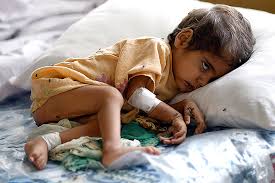
Independent public health professionals specializing in humanitarian crises emphasize that cholera is entirely manageable under normal circumstances. The disease progresses with rapid speed, causing severe dehydration that can cause death within hours if left untreated. However, the solution is basic: oral rehydration salts (ORS) for mild cases and intravenous fluids for severe ones. High mortality rates mean patients simply cannot reach a clinic or a clean water source in time.
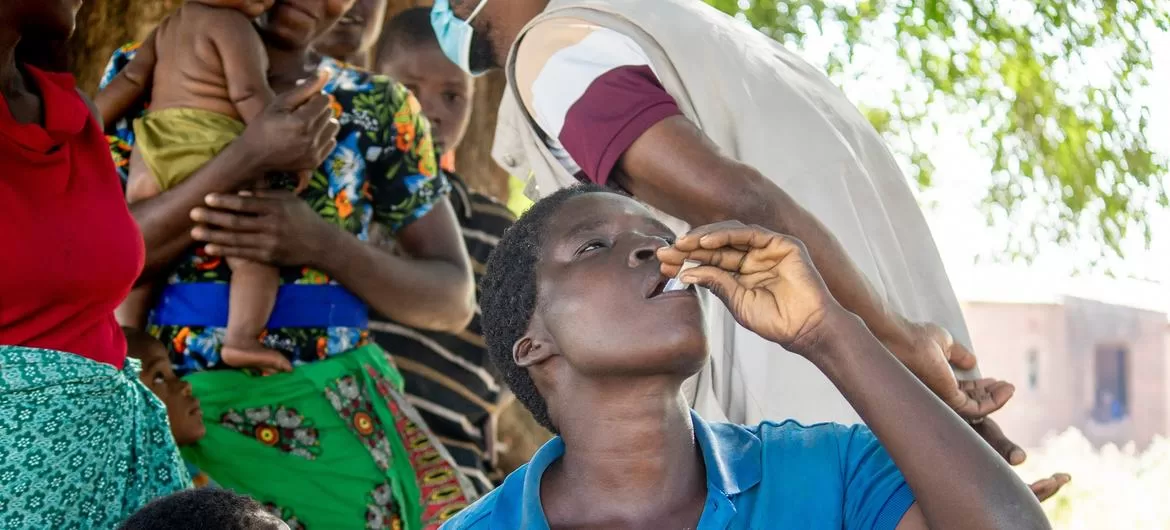
To mitigate the disaster, the WHO is calling for an immediate scale-up of core water, sanitation, and hygiene (WASH) interventions, enhanced epidemiological surveillance, and targeted oral cholera vaccine (OCV) campaigns where feasible.
The implications extend far beyond Sudan’s borders. The combination of intense conflict and cross-border population displacement means neighboring countries face an elevated risk of spillover. Shared water systems and the movement of refugees fleeing violence require strict regional coordination and synchronized surveillance systems to detect and contain new clusters early.
Surveillance Gaps and Critical Limitations
A significant challenge for the ongoing response is the lack of precise data. Due to widespread insecurity and communication blackouts, current case and death counts are heavily underestimated. Many communities remain completely cut off, meaning individuals may be contracting and dying from the disease without ever being registered in official databases. A lack of laboratory diagnostic supplies further tracking complicates the ability to map the exact trajectory of the outbreak.
Furthermore, while oral cholera vaccines are highly effective, operational realities frequently stall their impact. In active war zones, maintaining the cold-chain infrastructure required to preserve vaccines is incredibly difficult. Security guarantees for health workers cannot always be secured, meaning that human access, rather than vaccine efficacy, remains the ultimate limiting factor.
Practical Takeaways for Global Health Audiences
For the global community and health-conscious readers, the crisis in Sudan underscores a fundamental medical truth: health outcomes are deeply tied to infrastructure and equity. Cholera is a preventable, cheap-to-treat illness. The rising death toll is not due to a medical mystery, but rather the weaponization of geography and conflict against basic human needs.
Restoring local access to safe drinking water, distributing simple ORS packets, and establishing safe humanitarian corridors remain the absolute priorities to halt the transmission cycle and save lives.
Medical Disclaimer
Medical Disclaimer: This article is for informational purposes only and should not be considered medical advice. Always consult with qualified healthcare professionals before making any health-related decisions or changes to your treatment plan. The information presented here is based on current research and expert opinions, which may evolve as new evidence emerges.
References
-
Reuters. “Sudan’s cholera outbreak may get worse due to conflict and rains, WHO warns.” July 10, 2026.